Table X Restaurant & Garden
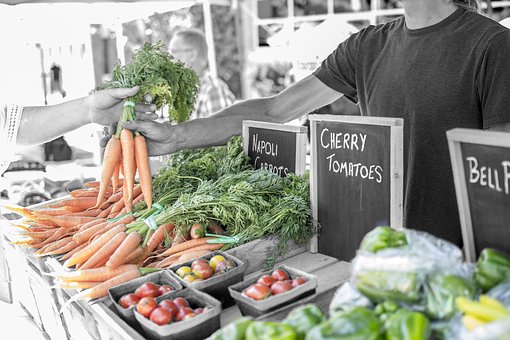
The phrase “farm to table” gets thrown around a lot in the restaurant world these days, and it can mean different things to different people. At its purest, a farm to table restaurant is literally an eatery that is located on (or at least near) a farm and the ingredients—most, anyway—that go into the restaurant’s dishes come straight from that farm.
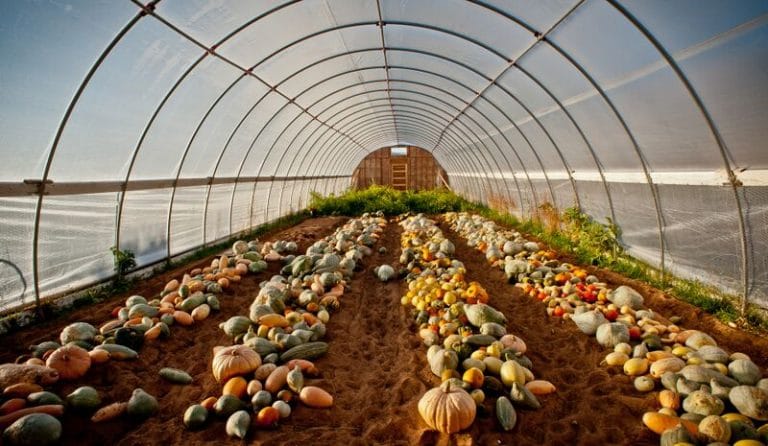
Hell’s Backbone Grill & Farm
A good example is Hell’s Backbone Grill and Farm in Boulder, which sources fresh ingredients from its own farm. Their chickens produce the eggs that go into one of my favorite breakfast dishes there: poached farm eggs on jasmine rice with poblano crema. And the restaurant’s menu is brimming with farm fresh fruits, herbs, organic vegetables, edible flowers, and more. Like Hell’s Backbone Grill, a true farm to table restaurant should also be a table to farm restaurant—where virtually every scrap of uneaten or unused food goes back into the earth as compost or to chickens and other animals as feed.
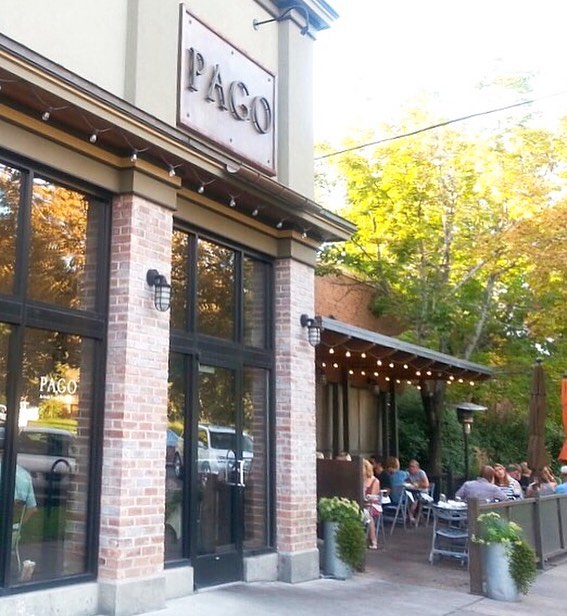
Pago
One of the first local restaurants to embrace the farm to table ethic was Scott Evans’ Pago, which just celebrated its 10th anniversary last month. Whether you’re enjoying a hearty helping of Pago’s sunchoke poutine—an upscale version of poutine with pickled chiles, cheddar curds, mushroom gravy, and smoked onion—or Utah red trout with spaghetti squash, Brussels sprouts and sherry-orange vinaigrette—you can bet the bank that most, if not all the food on your plate was locally sourced.
The chefs at Pago take pride in their seasonal menus, which highlight the freshest foods available, and their commitment to supporting local food artisans. It’s a lengthy list which includes Amour Spreads, Clifford Family Farm, Frog Bench Farms, Keep it Real Vegetables, La Barba, M&M Farms, Mesa Farm Goat Cheese, Morgan Valley Lamb, Parker Farms Produce, Pierre Country Bakery, and Sweet Valley Organics.
A farm-to-table pioneer: Sage’s Cafe and Vertical Diner
Another pioneer in the farm to table movement here locally was Ian Brandt, whose Sage’s Cafe and Vertical Diner has kept vegetarians and vegans healthy, well-fed, and happy since 1998. With an array of dishes that feature 40 percent organic ingredients, Vertical Diner sports a plant-based menu that is 90 percent gluten free and 100 percent delicious. Sourcing as many ingredients locally as he can, Brandt and his creative cooking team satisfy customers with foods ranging from comfort fare like chicken-style “tigers” in spicy buffalo sauce and ranch dressing, to the tantalizing tacos with Mesquite jackfruit, kimchi, guacamole, veggies, and garlic aioli.

Table X
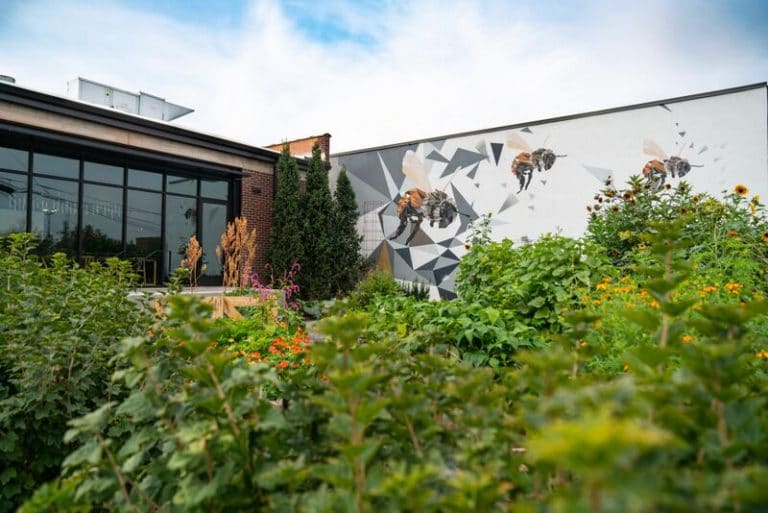
At Table X, much of the produce used in dishes is grown right on site in the 13 raised beds that make up Table X gardens. As an example, last year Table X grew 300 pounds of tomatoes for use in the kitchen. The bread served at the restaurant is also baked in-house. And what they don’t grow or raise themselves, Table X sources from local food artisans and suppliers: Snuck Farms arugula and other greens, Clifford Family Farm soft cooked eggs, leg of lamb from Morgan Valley, bavette steaks from Jones Creek Beef in Springville, Utah, Christiansen Farm Berkshire pork, and much more, including locally produced wine from Ruth Lewandowski Wines.
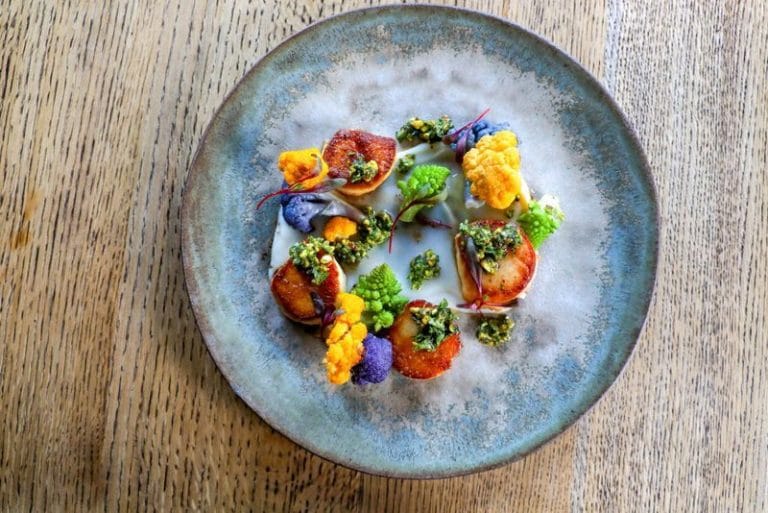
Tupelo
In Park City at Tupelo restaurant, chef/owner Matt Harris insists on putting the very best ingredients into all of his delectable dishes, some of which comes from his own farm nearby. He also says, “At Tupelo Park City, we are proud to support local and sustainable farmers, fishers, and other food producers.” These include Morgan Valley Lamb, Rockhill Creamery (for those outrageous cheese fritters), locally made burrata and andouille sausage, locally foraged mushrooms, and so much more.
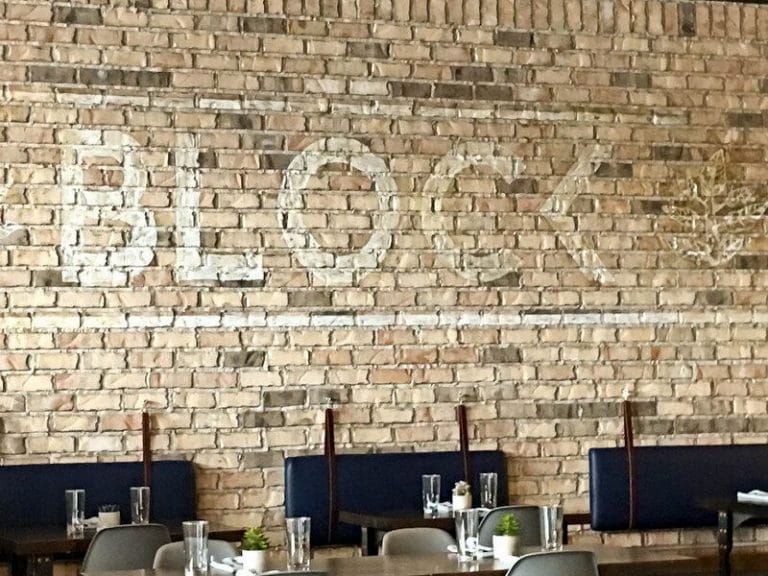
Block Restaurant
Down in Provo, Block Restaurant is a great choice for fresh, fabulous farm to table fare. The owners are dedicated to supporting local food artisans and sourcing the very best products for their kitchen. They run the gamut from mixed greens and arugula from Snuck Farm in Pleasant Grove that go into the spiced beet salad and mixed berry salad, to Clifford Family Farm pork belly kissed with black currant gastric, the Slide Ridge honey comb that adorns the charcuterie plate, Spring Lake rainbow trout, Heber Valley smoked cheddar for the bodacious Block burger, Christiansen Farm’s short ribs, house-made granola with Rosehill Dairy milk, and an array of locally produced beers, spirits, ciders and such from the bar.
If you’re not sure that a restaurant selling itself as “farm to table” is the real McCoy, ask questions. If servers, managers, or kitchen staff can’t tell you in detail about the farms from which their ingredients are sourced, or can’t even name the producers, then you’re probably eating faux farm to table food.