As we embark on another new year, many of us have made resolutions that may or may not have already gone by the wayside. Or maybe you put off making any resolutions. If so, I have one for you: How about making your home kitchen a healthier place? That is something pretty much all of us can and should do. I’m not talking here about what to eat, but rather how what we eat is prepared.
There are a lot of kitchen tools, equipment and gadgets that can aid us in eating more healthily at home, especially if your goal is to reduce the amount of fat that goes into your food. Here are a handful of my favorites:
I have to admit that I was an air fryer skeptic for years. In fact, I was militantly anti-air fryer. But then a chef friend of mine who I have great respect for urged me to give air frying a try. So I ordered an air fryer ― specifically the Cosori Air Fryer ― and now I’m hooked. I don’t cook everything in my air fryer, but I use it at least once or twice a week.
Air fryers aren’t magic. They are essentially countertop convection ovens that do the same thing your kitchen oven does, but on a smaller scale, and faster, while consuming less energy.
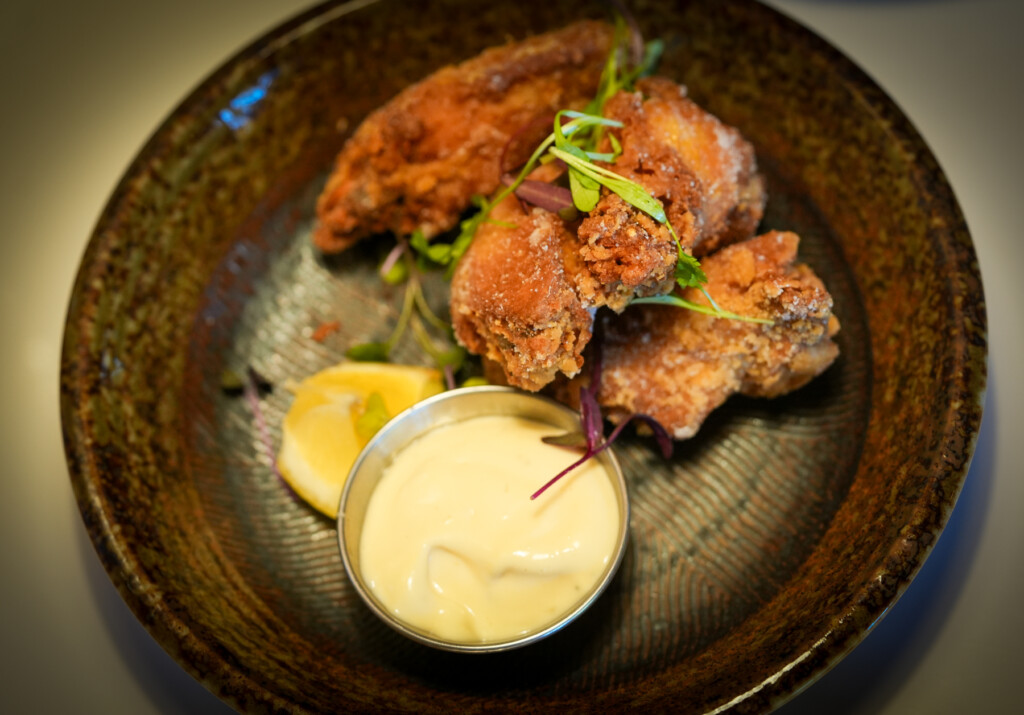
French fries are probably the most common food cooked in air fryers, because instead of dunking the potatoes into quarts of hot oil, you can make crispy, legit French fries in an air fryer using only a tablespoon or two. And I now make awesome air fried Buffalo chicken wings using a tiny fraction of the fat I once used. Less oil and fat = a big step toward eating healthier.
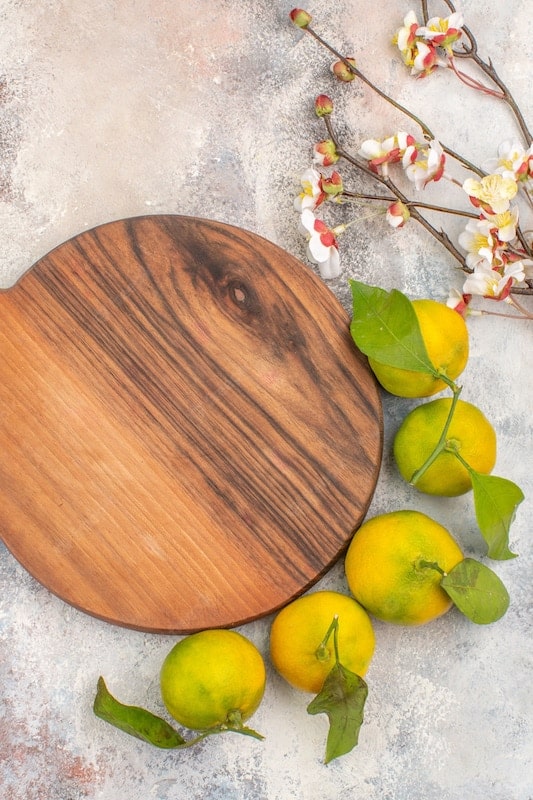
To prep, cook and serve food in as sanitary way as possible, make sure you have the proper cutting boards in your kitchen. Meat, foul, seafood, and even veggies can carry germs and bacteria which can be left behind on your cutting board.
For a long time, I thought plastic cutting boards were the safest, since they are easier to sanitize and can go into a dishwasher, unlike wood ones. However, wood is antimicrobial, and research shows that wood is actually safer than plastic. Who knew?
The key is to buy cutting boards made from harder, fine-grained woods like maple, say food safety researchers. Whatever type of cutting board you use, the key to safety is in washing them properly between uses.
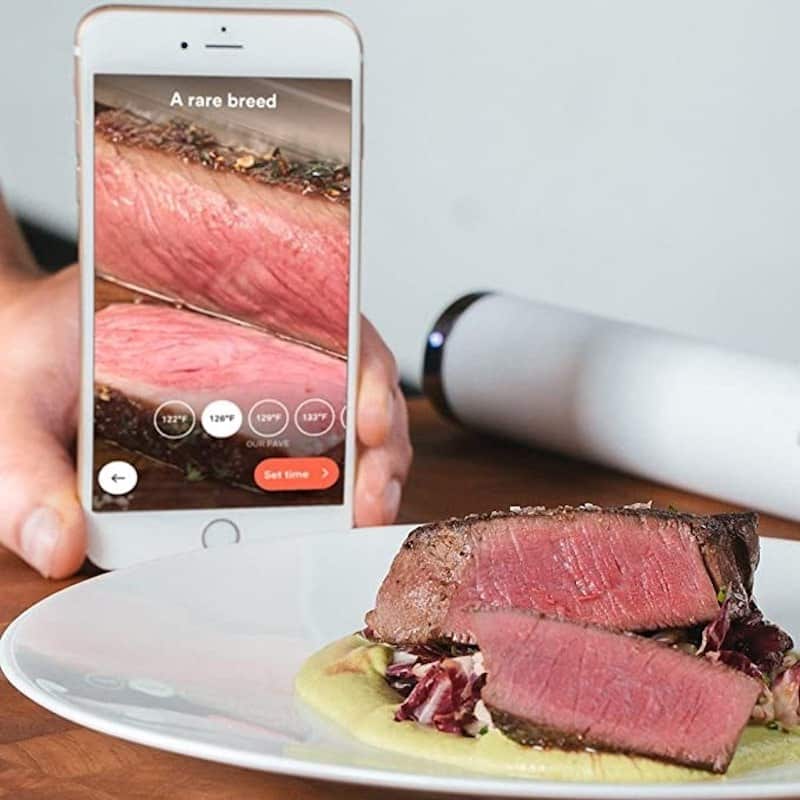
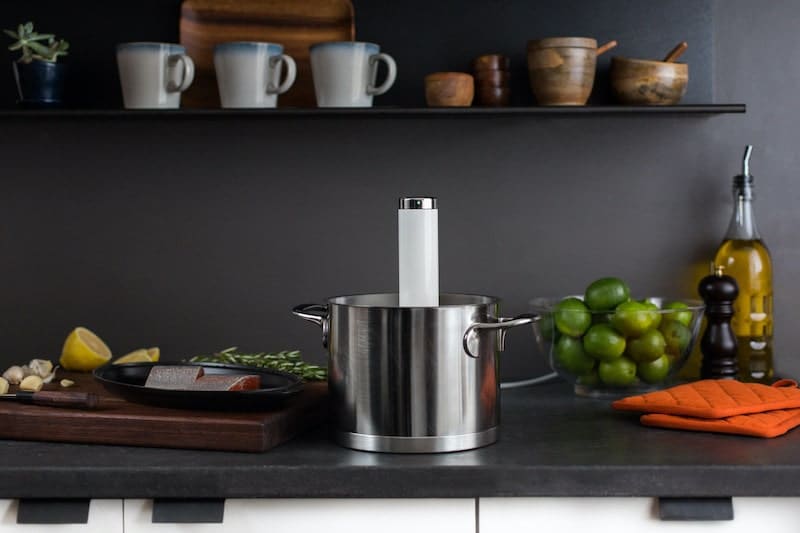
Sous vide cooking allows you to cook foods that are oh-so tender and tasty at the precise temperature you want, getting rid of the guesswork of “Is it done yet?”
Not long ago, sous vide methods of cooking were very expensive, requiring pricy restaurant style sous vide machines. However, with the introduction of home kitchen sous vide tools like ChefSteps Joule and the Anova Precision Cooker and the apps that come with them, sous vide cooking is now within reach of most home cooks, making it possible to prepare everything from restaurant-quality swordfish steaks and beef short ribs, to pork tenderloins using little or no fat ― all on your kitchen countertop.
Another way to reduce the amount of fat and grease you use is to grab a silicone baking mat for use in your oven. The non-stick mats allow you to use less butter, oil and grease and ensures that cookies, roasted vegetables and such don’t stick to your baking sheet or pan.
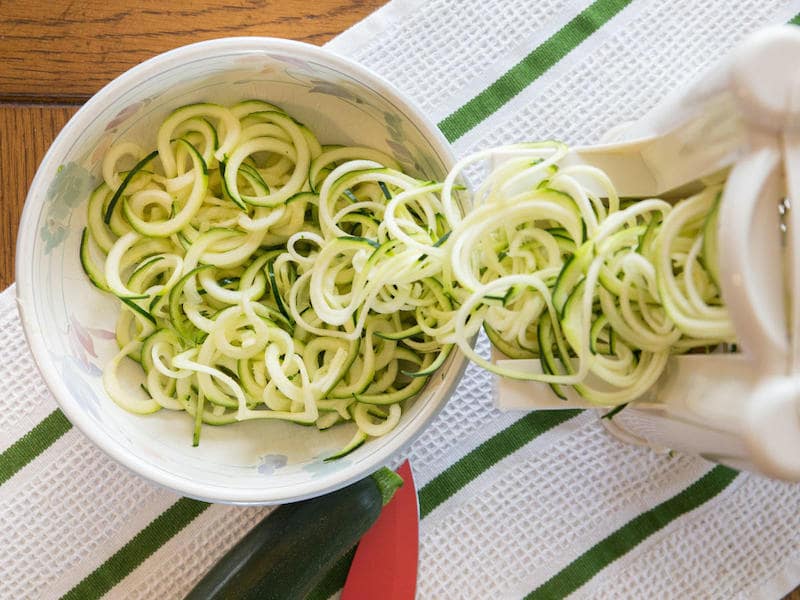
Trying to cut down on starchy carbs? Pick up a vegetable spiralizer, an inexpensive kitchen gadget that can turn veggies like carrots, zucchini, sweet potatoes, beets and such into nutritious meals. Spiralized carrots or zucchini make a terrific substitute for wheat and egg pastas ― just top them with your favorite chunky sauces. Some good spiralizer makers include Oxo, Paderno, Mueller, and Brieftons.
Looking to get more fruit into your diet? I am fond of single-serving personal blenders like the Nutribullet, Beast Blender, Ninja Nutri-Blender, and Magic Bullet Blender for making smoothies and shakes, as well as for food prep that would normally cause you to haul out a bigger blender. Not that you have to always use your mini-blender for healthy reasons. At a Red Butte Garden concert this summer, I saw a gal using hers to make on-the-spot margaritas.