Eat well and be well
“Let thy food be thy medicine and thy medicine be thy food.”
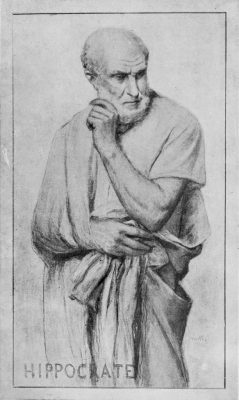
Hippocrates said this around 400 B.C.
I want to use this introduction to unpack this statement and understand it beyond how readers might confuse what the old philosopher/physician meant.
Hippocrates didn’t mean that when you are sick you should just eat your favorite foods to feel better. Nor did he imply that we could skip using all forms of medicine and simply indulge in eating tasty or even healthy food.
What did he mean then? Let’s interpret this sentence, first by examining who Hippocrates was and what he did.
The Father of Medicine
Hippocrates is often referred to as The Father of Medicine.
To this day, every doctor must recite the Hippocratic oath before they can become certified. Hippocrates was an extensive observer and writer. His main contribution to medicine was to promote the idea that illness and disease were not caused from damnation by the gods, but by living conditions, infection, diet, or lack thereof.
He believed that the job of a clinician should not mingle with religion, but should be rooted in scientific observation. Patients should be observed then diagnosed. Doctors should take ample notes on each case so that they could improve their abilities to diagnose problems and to arrive at the best possible treatments.
In other words, the Hippocratic Corpus, or the dozens of books, lectures, and talks that he gave in his lifetime promote the philosophy of ongoing improvement of the practice of medicine through observation. A quote attributed to Hippocrates is “First do no harm.” It seems that to a degree this fundamental adage has been lost to a degree in modern medicine.
Examine the opioid epidemic. Nobody could agree that the doctors prescribing all of those opioids were doing no harm. Examine then, how we in Utah have the highest per-capita usage of antidepressants. These very serious drugs are not taken without causing harm.
So back to our original statement: What did Hippocrates mean when he stated, “Let thy food be thy medicine and thy medicine be thy food?”
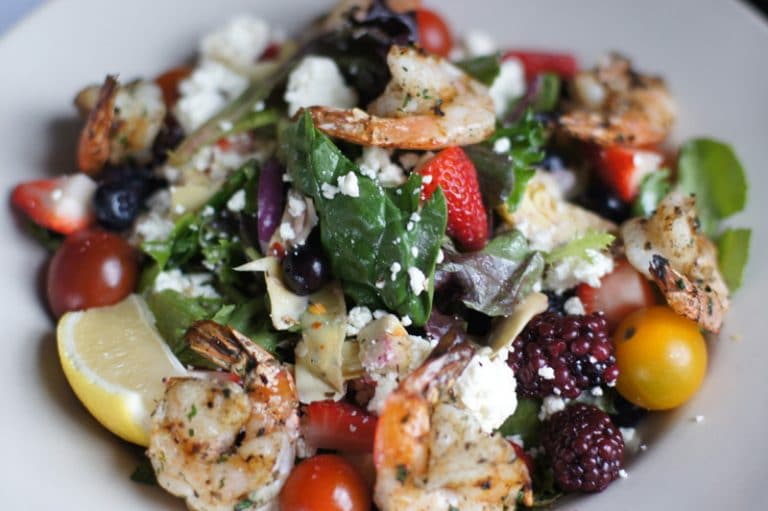
I’ve come to believe that he meant that those wishing to stay healthy should first eat healthy food which always has medicinal properties. Eating fresh oranges can revitalize your electrolytes without the excess sugar found in Gatorade or an energy drink. Food should be nourishing, otherwise, it shouldn’t be eaten. All food should contain the highest possible amount of nourishment, otherwise, it’s only serving the purpose of adding calories and fat. It is due to our lack of eating nourishing food that so many Americans—60% by last count— are overweight.
If we all began spending more time, attention, and money on ensuring that more of what we eat contains true nourishing and beneficial properties, our food would act as our medicine. We wouldn’t need to spend so much on healthcare and expensive meds.
There is a wellness movement growing in the United States. It is focused on eating more nourishing food and practicing mindfulness techniques such as yoga, meditation, and drinking green smoothies. This is an excellent trend. As we all take control of our health and wellness to a greater degree, we become less victims of a system which is designed to make us sick.
In this issue of Utah Stories, we offer ways in which we can all spend less on healthcare and more on wellness.
So keep well, my friends and good readers!
And as always, thank you for reading words on a printed page. We feel fortunate to bring you this magazine every month, and it is only because there are still a few of you out there who like reading that we are able to make this possible.