
The New Pop Sound: Pickleball Paddles
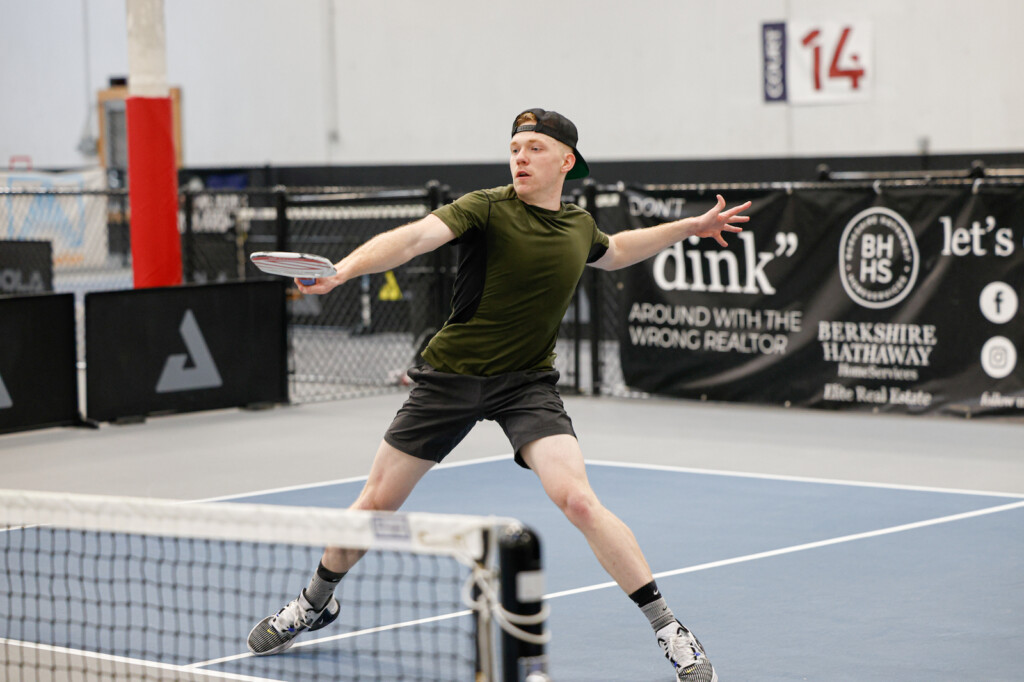
Pop. Pop. Pop. What used to be Utah’s well-known synonym for “soda” now has another meaning. That popping is the sound made by pickleball paddles far and wide as America’s fastest growing sport takes hold.
The Name Debate and Pickleball’s Unique Origin
While some online grumblers suggest changing the game’s name — derived either from the name of a family dog that kept running away with the ball, or from an obscure term related to the sport of crew — most aren’t bothered. Pickleball is a fun, inexpensive sport that’s easy to learn and welcoming to all types of players.
Beginners can buy a set of two paddles and four balls online for $25 and learn the game in about 20 minutes. The rules are simple; games are short and can be played indoors or out. The level of exertion required is lower than in tennis, and people of mixed skill levels can play together.
Pickleball on Steroids in Utah
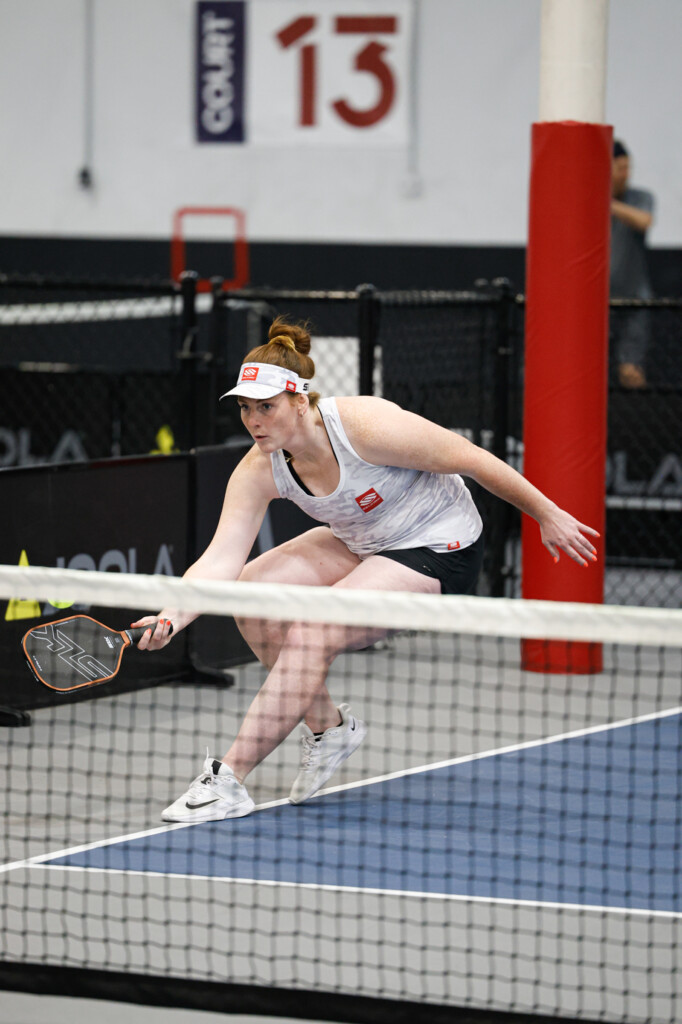
“Utah has been pickleball on steroids,” says Devan Egan, owner and co-founder of Club Pickleball USA, when asked about the growth of the sport in the state. Egan owns 86,000 square feet of indoor pickleball courts in Orem and Sandy, and has seen 35,000 unique players come through his doors since he opened in 2021. He says one reason for the sport’s popularity is Utah’s unique culture.
Nearly every neighborhood has an LDS chapel, and every chapel has a basketball court inside. Due to the suggestions of church members, activities coordinators added pickleball lines to the boards and brought in regulation 34-inch nets. The ubiquitous nature of Mormon churches allowed America’s own racquet sport to explode in popularity as more than 1400 free courts became available, one on nearly every corner.
“I think if pickleball was boring that wouldn’t have happened,” Egan says. He adds that pickleball has a very low barrier for entry.
“In other sports like tennis or golf, it takes years and thousands of dollars to get reasonably good. And so once you’ve made the investment of time and money to improve your skill set, you become a little bit exclusionary to the novice.”
Egan notes that pickleball culture is totally the opposite. “In pickleball, it’s like, let me help you for twenty minutes and you’ll be fine.”
Building Community Through Pickleball
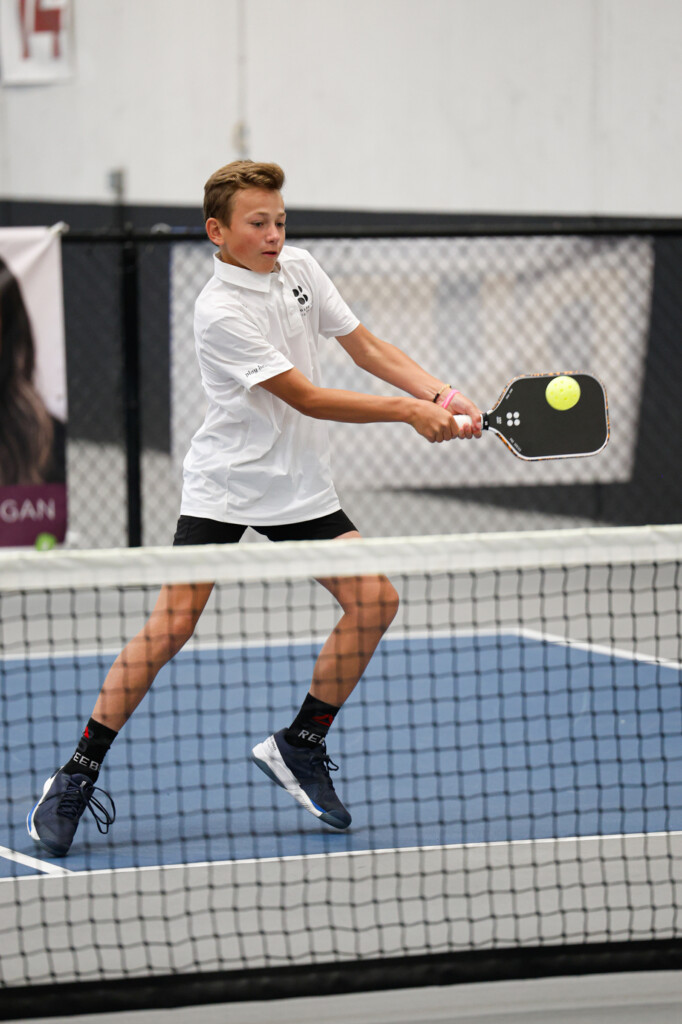
The friendliness of the sport goes beyond its ability to get beginners and experienced players together. Nick Bolton founded Once Pickled, a substance abuse recovery nonprofit serving the Salt Lake area, after he and other therapists were brainstorming ideas on how to help clients build community.
“We noticed something that worked really well in early recovery was getting out and playing pickleball,” he says. “Two people with completely different backgrounds — maybe an 18-year-old kid in the beginning of his sobriety journey and a 40 year-old man who’s been around the block — they might not have a ton in common, but when they played pickleball together it was high fives, and afterward a lot of smiles.”
Bolton also noticed that when people who are in recovery play with those outside the recovery community, the barriers of uncertainty between them break down quickly.
“We’re doing a pretty decent job of exposing people to what a person in recovery looks like,” Bolton says. He comments that face tattoos and cigarettes might initially be scary to people at a pickleball court, but the game helps people let go of those differences and just have fun together.
Pickleball in Social Settings
On the other side of the net, so to speak, Second Summit Hard Cider Company offers pickleball in a bar setting. The cidery hosts four outdoor courts which can be reserved on weekdays from 11-4 for free. After 4:00 and on weekends, courts are reserved by the hour, and paddles and balls are provided.
“I think it’s a really fun way to have an active activity for people to play, with the bar here at the same time,” says Joe Bott, director of operations. “Pickleball seems to be a natural way to be social, have fun, and enjoy the outdoors.” He also notes that his customers appreciate being able to reserve courts rather than trying to find an available free court at a park or other public place.
Supporting Pickleball Entrepreneurs
To help players and entrepreneurs develop their own pickleball clubs and sports business ventures, Egan hosts Club Pickleball Mastermind, a group that now includes more than 80 club owners and members, where he shares everything he’s learned while owning a pickleball business. His goal is to keep pickleball growing. According to the sport’s governing body, about 130 new locations open each month, nationwide.
“There are countless benefits to pickleball when you add up the physical, social, mental, and all the endorphins that flow out of people being on their feet doing something fun,” Egan says. “There are so many positives.”
Addressing the Noise Complaint
The only downside to pickleball is that pop, pop, pop sound. Some neighborhoods are upset with the noise the sport makes and are moving to ban it. But we live in a time when even the sound of children playing outside has been replaced by silence. That little popping noise is the sound of joy, health, and community. It’s the sound of people coming back to life.
Feature Image and other photos taken by Kai Uluilakepa, courtesy of Devan Egan of Club Pickleball USA.