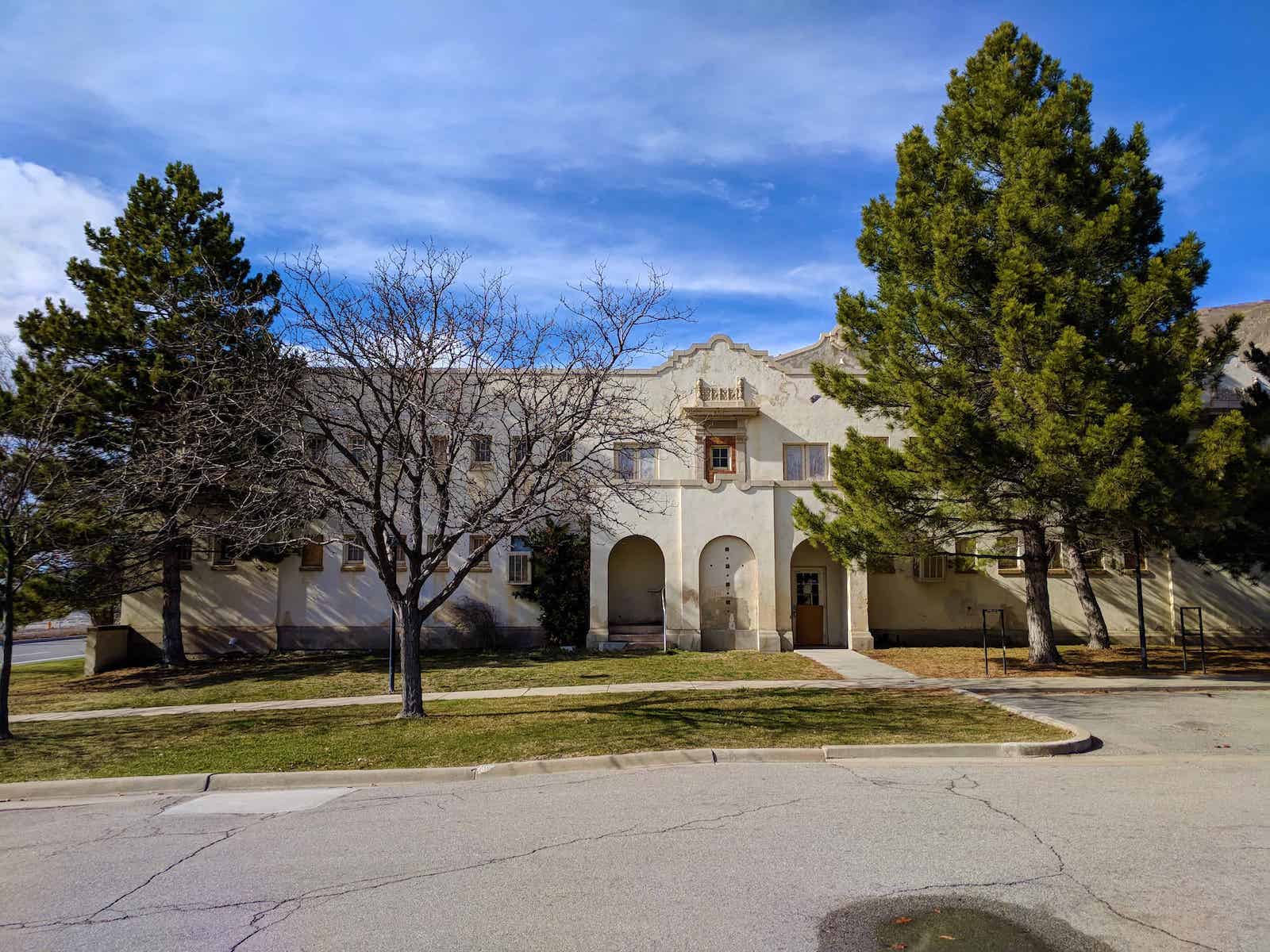
Repairs have begun on the historic Wasatch Warm Springs Plunge building, but its eventual fate has yet to be determined. Community opposition halted plans to turn this historic building and surrounding city parks over to private hands, and a local nonprofit is leading the efforts to reestablish this place as a community gathering place — a place to soak in hot springs, connect with people from all walks of life, and honor the Indigenous history of the site.
“We would really like to be the ones that bring this place back to what it can be for the whole community,” says Sylvia Nibley, board chair of the Warm Springs Alliance, a nonprofit dedicated to preserving the Warm Springs landmark site and the Wasatch Plunge building.
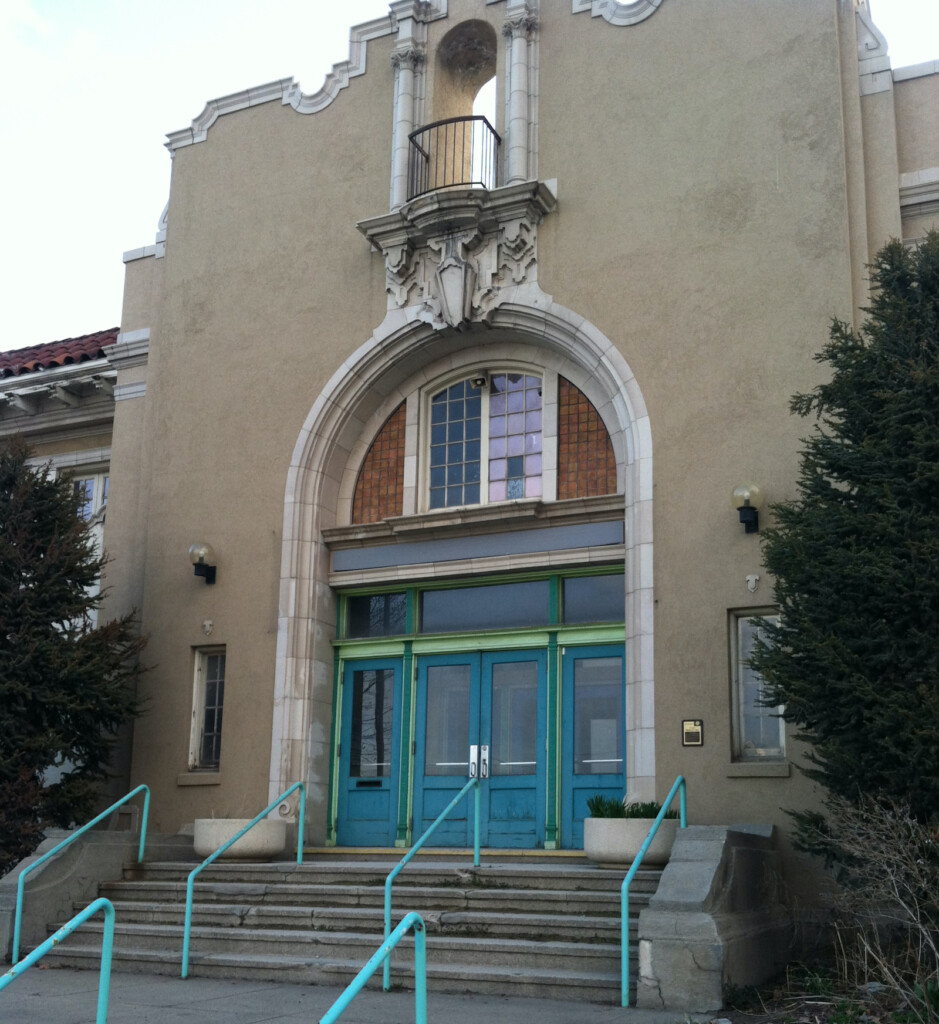
Situated between two neglected city parks near 800 North and Beck Street in Salt Lake City, the Wasatch Warm Springs Plunge building is a monument to a mostly forgotten era. Today, homeless encampments dot the hillside above the parks, trash overflows from park garbage cans, and a chain link fence surrounds the dilapidated, once-happening building, obscuring the history of the place.
Unless you’re old enough to remember the Plunge, or you grew up playing at the Children’s Museum that later occupied the building, you may not even be aware that hot springs flow out of the mountainside here.
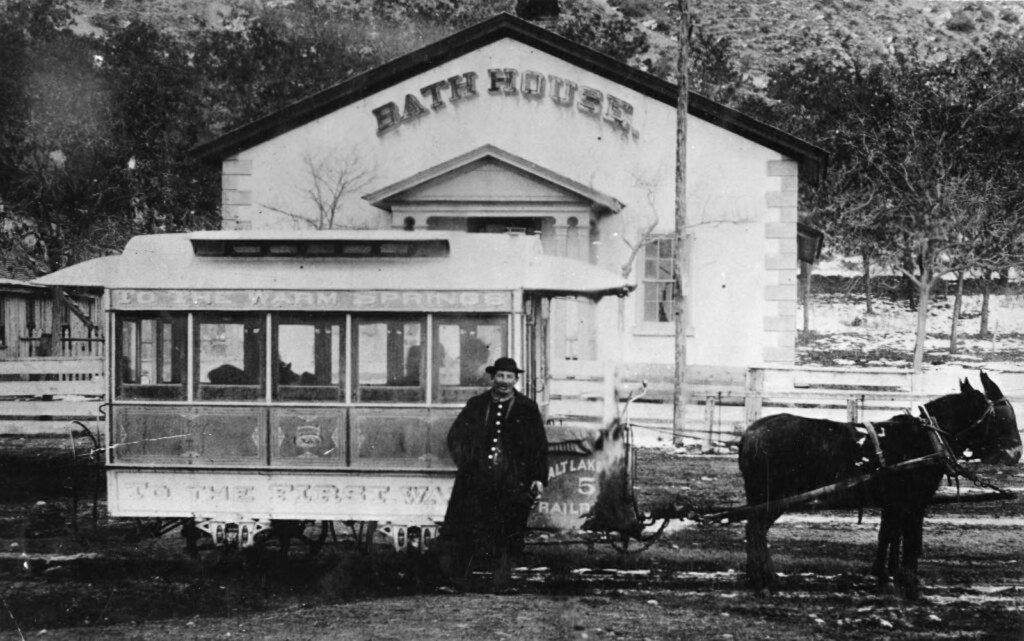
When Mormon pioneers arrived in the Salt Lake Valley, scouting members quickly noticed steamy water flowing out of the foothills just north of where they would eventually build their temple. Dozens of hot springs were noted by early settlers, and within weeks of their arrival, European settlers dug out a pool to hold bathers looking to benefit from the spring’s purported healing waters.
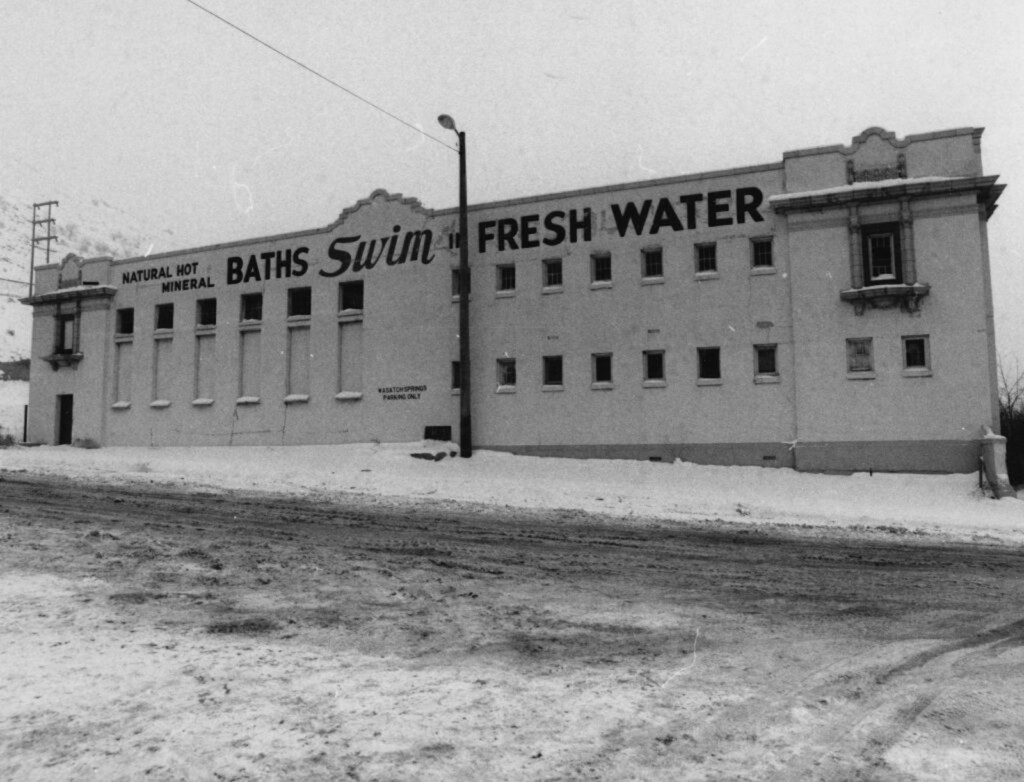
Various bathhouses were constructed near the hot springs but only one still stands today. The current building was built in 1921 when the city took over ownership of Warm Springs. In addition to one massive naturally heated pool, the facility also housed several private soaking tubs, a barber shop, a hairdresser, men’s and women’s masseurs, and five private rooms available for rent by overnight guests. The building’s red-tiled roof, stuccoed exterior, and Mission-style facade stands out among the industrial buildings on Beck Street.
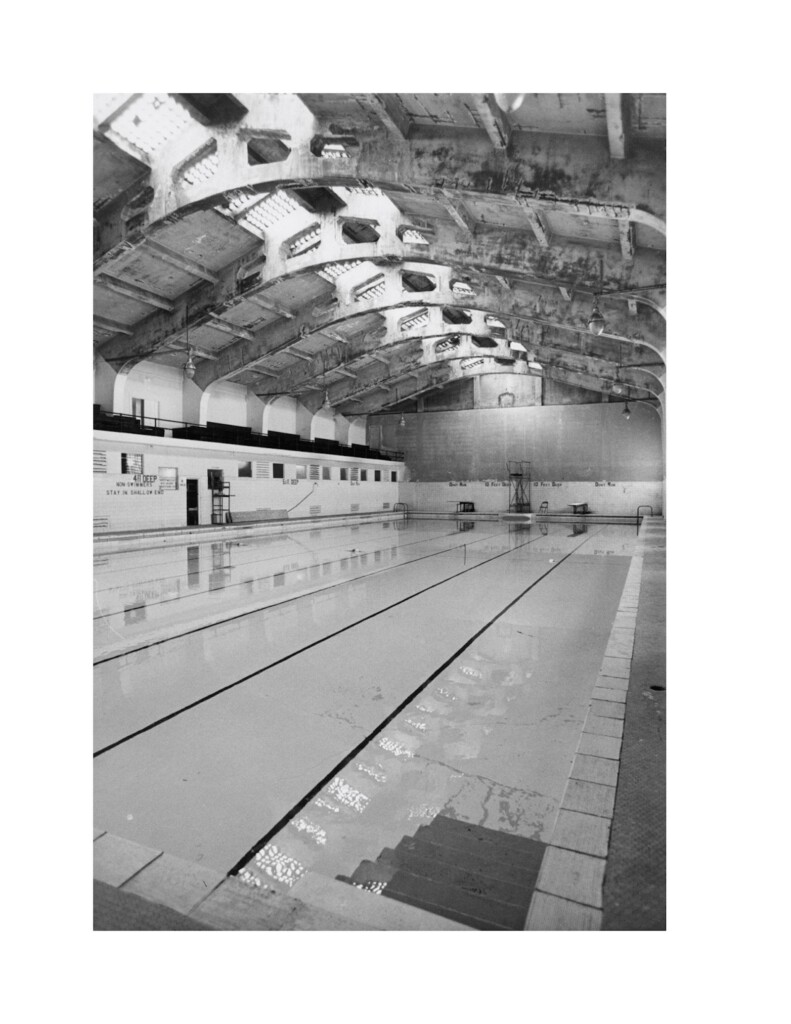
Due to structural problems and diminished demand, the Wasatch Warm Springs Plunge closed in the 1970s. It was later restored and reopened in 1983 as The Children’s Museum of Utah. The building has sat vacant since 2006 when the museum relocated to the Gateway Mall. In 2017, the city put out an ask to developers, essentially putting the building and surrounding parks up for sale, which would have ruled out the possibility of reactivating the springs and honoring the history of the site.
Community groups and a strong grassroots effort came out in opposition, and as it turns out, a lot of people love Warm Springs and its role as an historical gathering place.
Long before the arrival of the first European explorers in Salt Lake City, the springs were a healing place for the Ute people. Members of other Indigenous tribes also used the geothermal areas as wintering grounds.
Placards in North Gateway Park adjacent to the Wasatch Plunge building tell the story of a great number of Native People suffering from measles traveling to Warm Springs for its curative waters.
“They died off about as fast as they went into the water,” the sign reads. “For as long as people have inhabited the Salt Lake Valley, they have been drawn to visit the Warm Springs — as you are doing now,” another sign reads.
In August of 2022, the Salt Lake City Council approved significant funding for city park improvements including $8 million dollars for repairs to the Wasatch Plunge building. The city has also allocated $1.5 million dollars in bond money for improvements to Warm Springs Park and North Gateway Park.
The Plunge Building has sat vacant for well over a decade and it needs a lot of work. For starters, it needs a new roof, mold remediation, and seismic upgrades.
“The $8 million will only get the building to a shell, but what will happen next is the real question,” Nibley says.
And that is where the Warm Springs Alliance comes in. The group is advocating for a community-driven plan for the landmark and wants to see the community’s ideas integrated into the city’s plans.
“We’re at a time where there is a high potential for great things to happen here,” says Nibley. She invites anyone who cares about historic buildings, hot springs, and Indigenous sites to check out the Warm Springs Alliance website for updates.
“The more people that are in support of bringing back the hot springs, the more likely this is to happen,” she adds.
Feature Image: The now empty building that once housed Wasatch Warm Springs Plunge. All photos courtesy of Sylvia Nibley.