
After years of heroin addiction, incarceration, and family struggles, Kale found a second chance at The Other Side Academy.
A week before his release from prison, Kale had a terrifying realization. After spending approximately two years behind bars, he had been sober longer than ever before. But something told him that freedom would not be enough to keep him away from drugs.
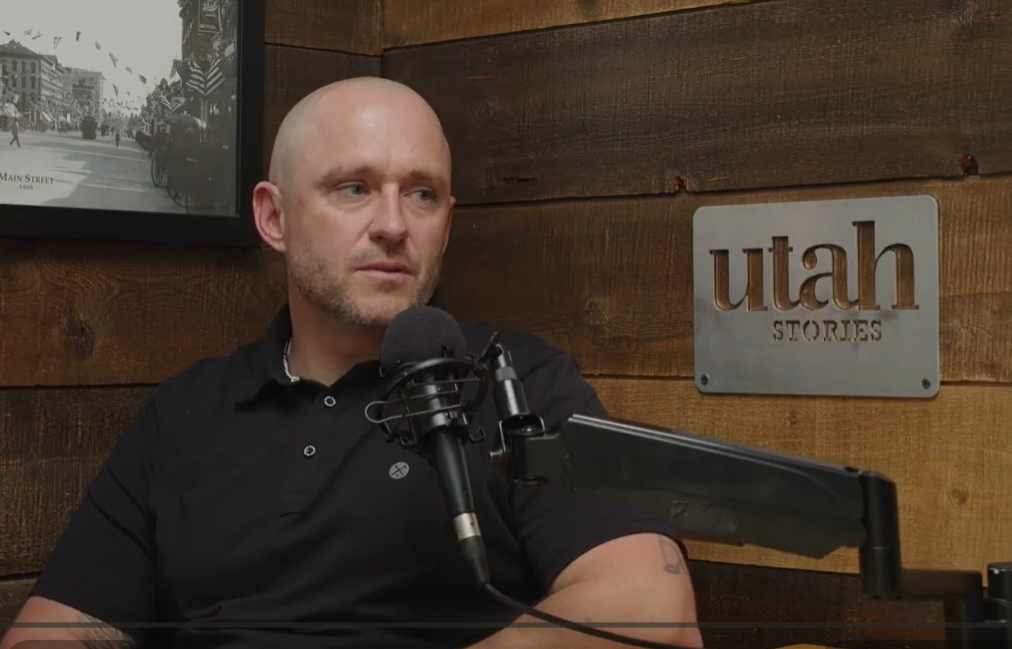
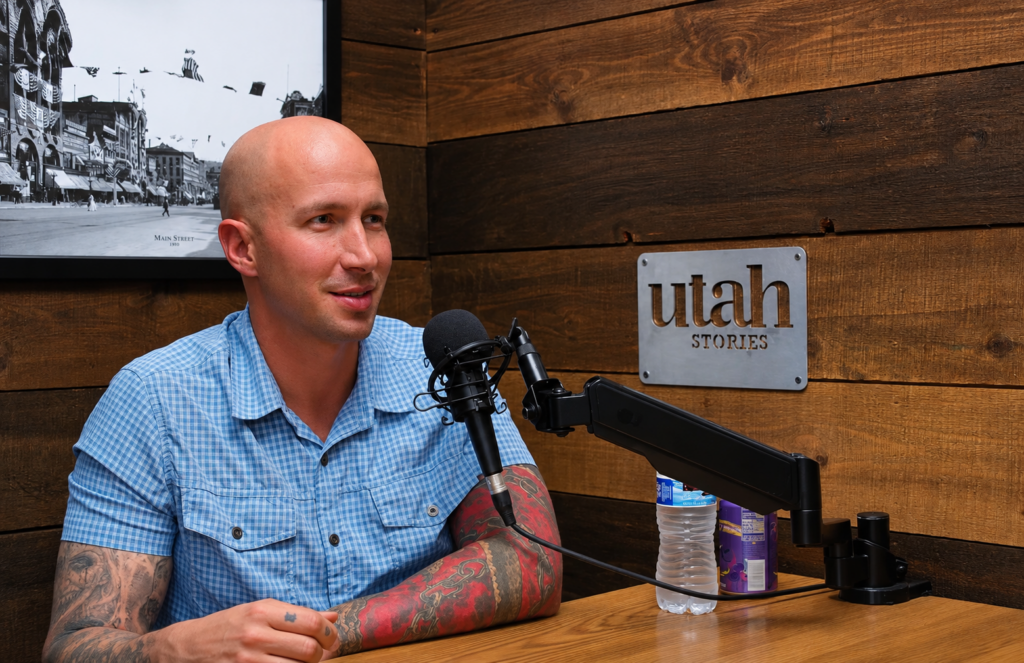
“I knew I was going to use again,” Kale recalled during an interview on the Utah Stories Show.
For years, addiction had controlled his life. He had been incarcerated repeatedly, struggled with heroin use, and missed much of his children’s childhoods. Now, approaching freedom, he recognized that the cycle was about to repeat itself.
Kale’s story began long before his first arrest.
Growing Up Around Addiction
Raised in Provo, Utah, Kale grew up surrounded by substance abuse, instability, and mental health struggles. His mother and stepfather both struggled with addiction, and his biological father had spent time in prison.
Until he was eight years old, Kale believed his stepfather was his biological father. When his mother introduced him to his biological father, who had recently been released from prison, his understanding of his family changed.
“I felt like everything was a lie,” he recalled.
As he grew older, his home became a gathering place for young people who wanted to drink and use drugs. While other children thought his mother was cool for allowing the partying, Kale felt differently.
“I didn’t like it,” he said.
Eventually, Kale began using drugs himself. What started with marijuana and alcohol escalated into heroin addiction and criminal behavior.
He spent years cycling through incarceration, sometimes serving six months or a year at a time. His longest sentence came after a robbery conviction.
By then, Kale had three children, but addiction prevented him from being the father he wanted to be.
He understood the pain of growing up with parents who prioritized drugs over their children. Now he was repeating the same behavior.
“I knew how bad it hurt to have parents that prioritized using and themselves over their kids,” he said.
A Turning Point
When Kale was released from prison, his fears became reality.
Despite recognizing that he needed help, he returned to heroin use. He visited his mother and later his biological father, breaking down emotionally as he confronted what his life had become.
He wanted to change, but neither parent could provide the support he needed.
His biological father eventually turned around and walked away while Kale was crying.
That experience helped push Kale toward a different path.
During his incarceration, he had heard about The Other Side Academy, a Salt Lake City residential program that emphasizes accountability, work, community, and long-term personal change.
After researching the program, Kale asked his grandparents, whom he described as a consistent source of support, to drive him there.
He didn’t know whether the Academy would work, but he was determined to try.
“I am not running from this,” he remembered thinking.
Learning to Live Differently
Adjusting to the Academy was a culture shock.
After years of instability, Kale entered an environment where honesty, responsibility, and accountability were expected.
One of his earliest challenges came when he admitted that he had lied during his admission interview about previously taking medication.
Although he feared the consequences, acknowledging the lie became an important moment in his recovery.
He also learned to establish boundaries, confront uncomfortable situations, and accept responsibility for his actions.
Kale ultimately spent four and a half years at the Academy, longer than its standard two-and-a-half-year program.
He credits the community with giving him something he had rarely experienced: stability, meaningful work, supportive relationships, and a sense of belonging.
“I got my life back,” he said.
Breaking the Cycle
Today, Kale’s life looks dramatically different.
He has rebuilt relationships with his children, who regularly spend time with him. He has also reconnected with his brother and established a new family life with his girlfriend, her son, and a daughter on the way.
Kale now works with The Other Side Village, an initiative designed to address chronic homelessness and serve people whose circumstances may prevent them from participating in the Academy’s program.
His journey has not erased the difficulties of his past, but it has changed the direction of his future.
For a man who once believed he was destined to relapse, recovery has meant more than leaving heroin behind. It has meant learning how to become the father, family member, and person he once struggled to be.
And perhaps most importantly, it has given his children a chance to experience something different from the childhood he knew.