
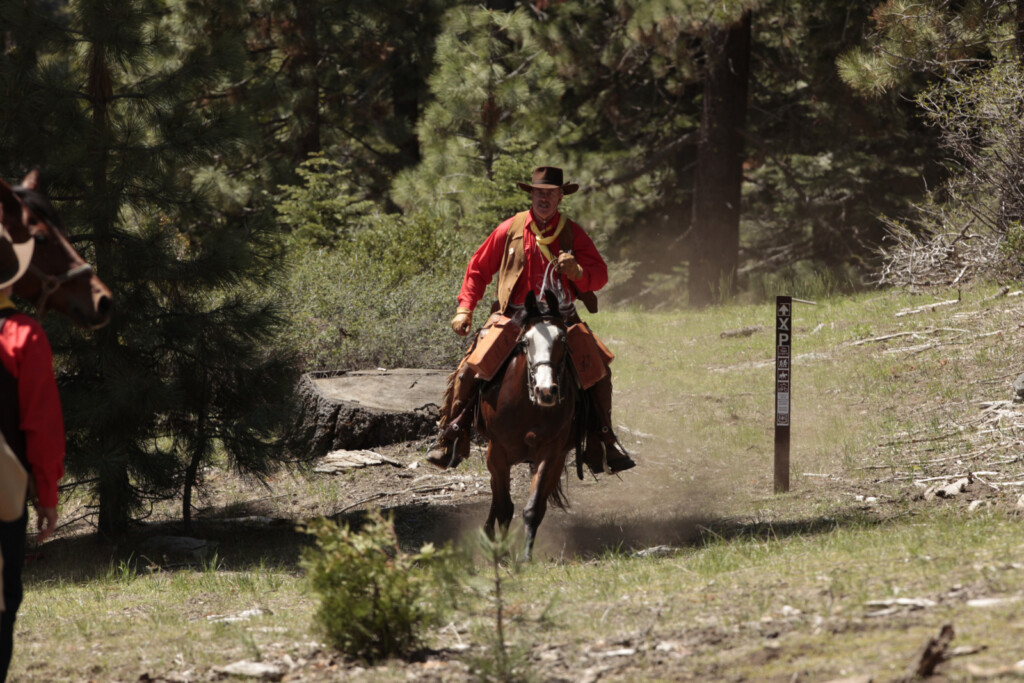
On April 3, 1860, a young rider of small stature departed on horseback from St. Joseph, Missouri with a satchel of mail. He was on the first leg of a 2,000 mile route, heading west to California. Nine days and 23 hours later the mail would arrive on the Pacific coast in what was the original ride of the Pony Express.
Although types of horsemounted mail service had been used throughout history, the Pony Express was “the first American express mail service,” said Jackie Lewin, volunteer historian of the Pony Express Museum. “It originated because over half-a-million people had emigrated to the West Coast in the 1840s and 1850s, and these new settlers wanted to keep in contact with the east coast.”
The prevailing wisdom at the time dictated that a cross-country mail route could not be maintained year-round, due to the weather and terrain. However, three headstrong entrepreneurs — William Russell, Alexander Majors, and William Waddell — “set out to prove everyone wrong.” The three men established the Central Overland California and Pike’s Peak Express Company and immediately began purchasing outposts, horses and supplies, hiring stationmasters and onboarding approximately 126 riders.
In an astonishingly three short months, the Pony Express was ‘up and running.’ Observers marveled at the company’s ability to deliver mail across the Continental US in less than a fortnight. The strict adherence to efficiency, routes and maps meant that schedules and timelines were strictly maintained.
“Relay stations, where the rider exchanged horses, needed to be 10 to 15 miles apart.” explained Lewin. “Horses generally traveled about 10 miles an hour. Which meant one rider’s time in the saddle would be 8 to 10 hours.”
Stops were determined by distance and proximity to water. “At around 80 to 100 miles, there would be a home station, and at that point a new rider took over.” This is where the rider would recuperate and rest until the mail arrived from the opposite direction. “The rider would then return to his 80-to-100 mile route, and start all over.”
The home station for the riders in Salt Lake City was Salt Lake House, a hotel located about 150 South Main (then called East Temple Street),” said Patrick Hearty. local historian and author. “Brigham Young built it as a place of first-class accommodation and hospitality for travelers visiting his city. Express riders, politicians, entertainers, and all the important travelers of the day would have lodged there.”
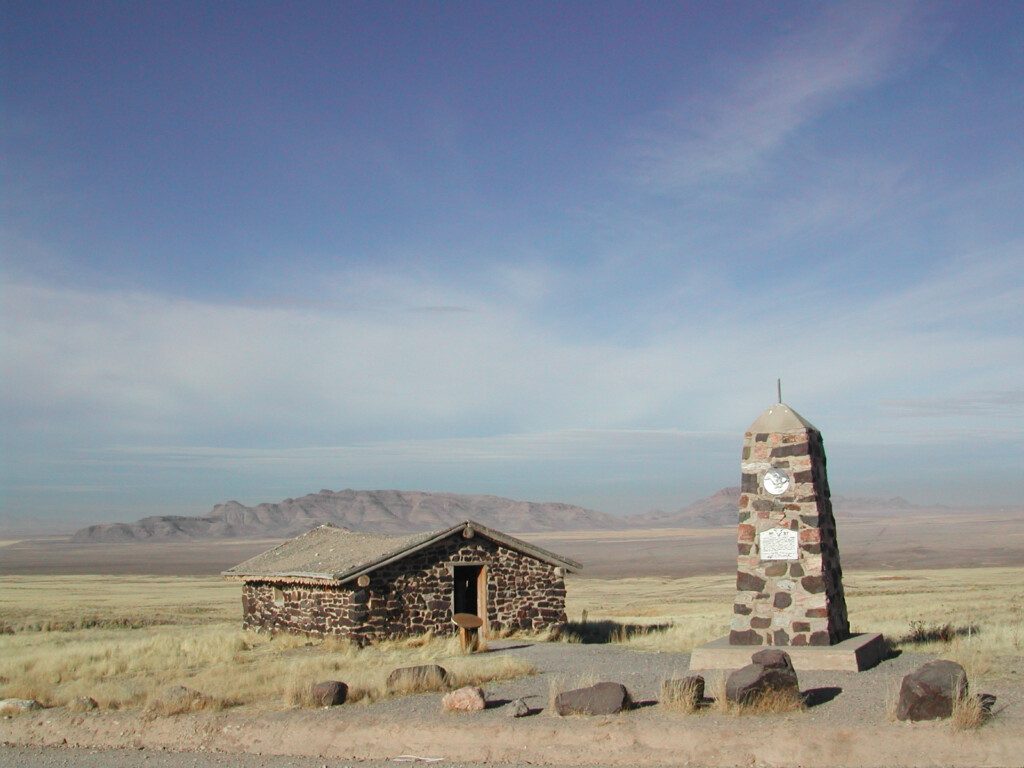
Unfortunately for many of the Pony Express riders, Salt Lake House was an anomaly, as most of the route’s accommodations were anything but glamorous. British explorer Sir Richard Burton described the home station at Dugway in the west desert as “a mere dugout roofed with split cedar logs, a crude adobe chimney, and where water had to be hauled in.” Another passerby, Horace Greely called Dugway “about the forlornest spot I ever saw.”
Despite the vast differences between stations, riders and their horses were required to stop about every 10 miles. This meant that numerous cities, towns and watering holes became Pony Express outposts. “The extensive Utah route was pioneered by Captain James H. Simpson, an army surveyor out of Camp Floyd and Major Howard Egan. It went across Wyoming on the Sweetwater, and down Echo, East, and Emigration Canyons into Salt Lake City. From there it followed State Street to the Point of the Mountain and Porter Rockwell’s Hot Springs Brewery and Hotel. The trail crossed the Jordan River at Indian Ford, aimed in the direction of Camp Floyd and a relay station there. [To traverse] the Great Basin, they crossed western Utah and present-day Nevada.”
On April 7, 1860 at 7:45 pm, the very first bag of mail arrived in Salt Lake City from California. Said Hearty, “It was delivered by Major Egan, who at the age of 56, is thought to be the oldest Pony Express rider to carry the mail.”
Over the next 18 months, Pony Express riders were welcomed throughout the Utah Territory. Many became local personalities and celebrities, with lore and tall tales swirling around them. The most popular rider associated with the mail is William Frederick “Buffalo Bill” Cody, who later became known for his Wild West stage show. (There are some historians, however, who dispute Cody’s claim that he was ever employed by the Pony Express.)
According to Hearty, one of the most colorful and prominent of the Utah riders was Richard E. “Ras” Egan, son of Major Howard Egan. “On the first west-bound run out of Salt Lake, Ras was just 18 years old. It’s said he rode his favorite mare, Miss Lightning, 22 miles in one hour and five minutes!”
Although the life of a carrier was glorified even during its time, the reality was much darker. Because speed was so important and extra weight was avoided, Pony Express riders were usually small men or boys armed with only pistols and knives. Being a rider meant overcoming extreme weather conditions and harsh terrain while avoiding bandits, thieves and Native Americans. The route was so dangerous that the company preferred hiring orphans so there would be no one to complain if a rider died.
Certain sections of the route were considered exceptionally harsh, according to Lewin. “I would say the hardest section would be the Utah Territory, which would be today’s [states of] Utah and Nevada, because it was pretty isolated and had extreme temperatures. That’s also the area where the Paiute Indians attacked the line.” There is historical documentation that four riders were killed in ambush attacks, while one died of hypothermia and another by a fall.
Despite its dangers, the Pony Express trail did provide benefits to outposts and rural stations. Increased activity and traffic attracted new business and services to otherwise desolate areas.
In October 1861, the transcontinental telegraph wire went live, and upon its first transmission, the Pony Express became obsolete. Sadly after only a year and half in service, the company, its riders and its relay stations were shut down and its horses stopped galloping for good.
Despite its many challenges and short life, the Pony Express has become an important part of frontier lore. With its hardy riders and fast horses, it is often seen as the epitome of rugged American individualism and an iconic symbol of the Old West.
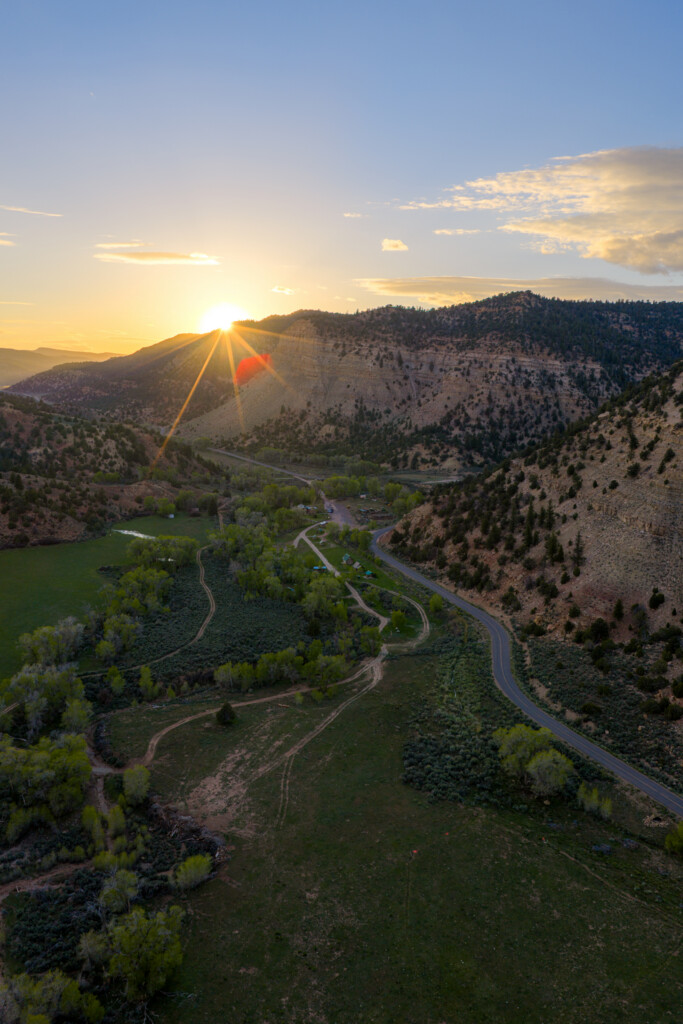
Tourists, historians and adventurers can follow the Pony Express trail through Utah, Most of the relay stations are identified with markers or plaques.
Said Hearty, “Utah is one of my favorite parts of the trail. The whole route is driveable. Plus, west of Salt Lake is a Bureau of Land Management Scenic Byway, and their office has maps of the trail.”
Feature Image: Replica of Pony Express Riders. Photos by Richard Gwin, used with permission of the National Pony Express Association, Inc.