

When Pioneers began their trek West in the 1800’s, skills such as sewing, food preservation, carpentry, blacksmithing, and water purification were not only important, but necessary to their survival. As modern inventions became available in the decades following, people relied less on those skills over time, and the art of developing those once-crucial skills became viewed as “old-fashioned” by some.
In recent years, however, these Pioneer-era skills have made a resurgence among Americans. Things like sourdough baking, sewing, raising chickens, cows, and bees, are gaining popularity with some starting their own full-fledged self-sustaining farms. Some even post about their off-grid lifestyle on social media and, in doing so, have gained hundreds of thousands of followers.
“As a child, I spent hours reading through my parents’ The Complete Encyclopedia Of Crafts, while at the same time, I was totally fascinated by the early PC clone my father bought and I couldn’t get enough of what it could do and how it could do things faster and easier,” said Dan Maker of Provo Pioneer Village. “I first learned wood working in my father’s shop, and I learned to cook and sew and knit from my mother. I’ve spent 35 years making my living working with computers, and all the while I’ve been learning more hand crafts, spinning and weaving, more woodworking, silversmithing, blacksmithing. I’m always trying to find balance between the two opposites; I’m sure that is part of why interest is increasing in traditional hand crafts.”
While the Internet and rise of social media influencers has seemingly increased the popularity of Pioneer skills, Sue Blazzard, assistant director at the McQuorie Memorial Pioneer Museum in St. George, says she thinks the Internet has been a positive change that has helped more people learn these skills even if they weren’t passed down to them by a family member.
“I think Pioneer skills were dying out because we weren’t passing them along like previous generations were,” said Blazzard. “But now, if anyone wants to learn those things, they can find them on the internet and that is a really cool thing. Hopefully, that means the knowledge of these skills will stick around.”
Maker has a similar opinion, pointing out the fact that the rise of the Internet has made it easier for us to have unlimited knowledge at our fingertips.
“Social media, specifically, and the internet in general, have made these skills and their history so much more accessible,” he said. “It used to be that you had to know someone personally that knew how to do something; now you can open Instagram or Twitter, or Youtube on your phone and find a dozen people telling how they are doing or have done what you are interested in.”
Some of these skills include things like growing food, canning, and freeze-drying food. As new information is discovered about processed foods, many are opting for the organic lifestyle to improve their health.
“Planting gardens and farming, even in little pots or on small plots of land, has become very popular,” Blazzard said. “And then people want to preserve the food that they’ve grown so they can have those fresh nutrients, so canning and freeze-drying has also increased in popularity.”
While the Pioneers relied on growing their own food in order to have food to eat, it is a skill that is benefitting people generations later.
Pioneers also relied on quilting, knitting, and crocheting, all of which have seen an uptick in popularity in recent years.
“Quilting has become a big deal,” said Blazzard. “Back in the day, that was what they had to do to make their bedding. And knitting and crocheting was how they made socks to keep their feet warm. They didn’t have much choice but to learn how to do those things.”
Maker agrees that learning these skills is important to a child’s development.
“I think all of the skills the Utah Pioneers had are still relevant today,” said Maker. “At a most basic level, if we understand what they had to do to live, we will be far more appreciative (in most cases) of how much less we must do and how much more we can choose to do, or not do in our day-to-day lives.”
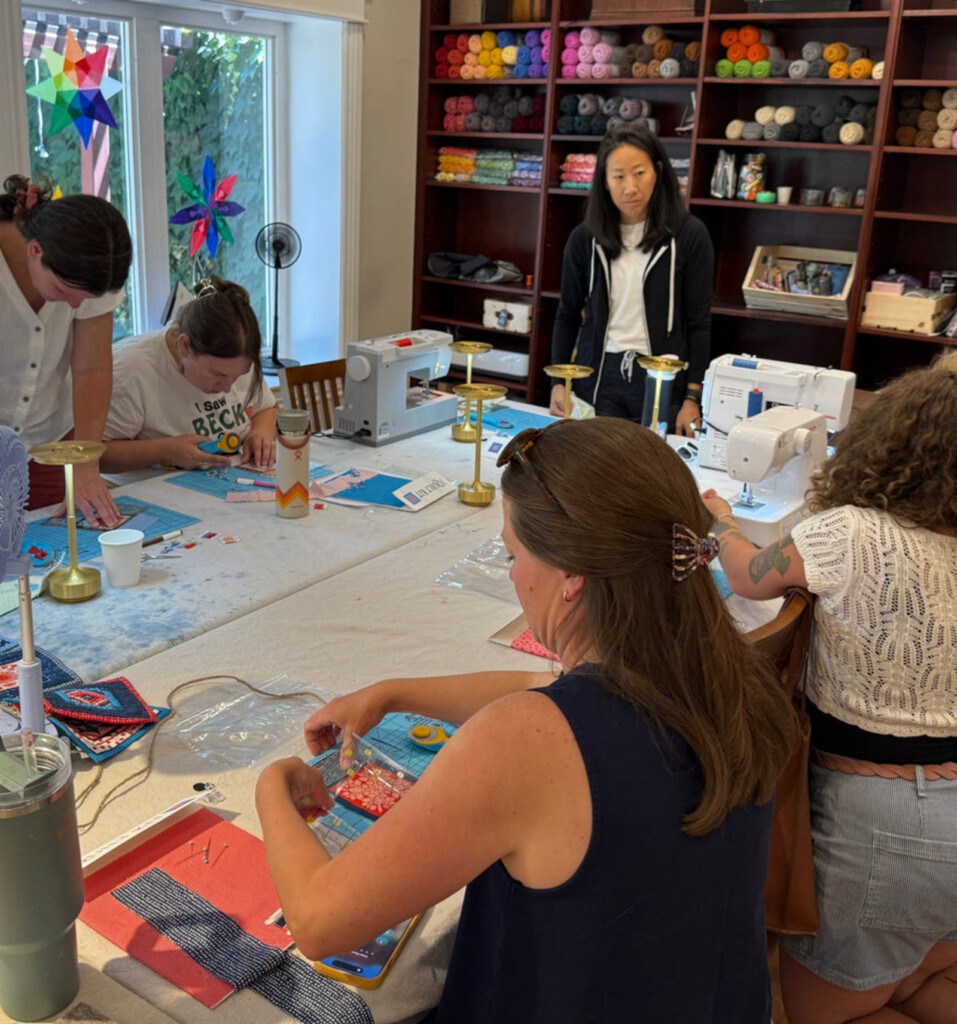
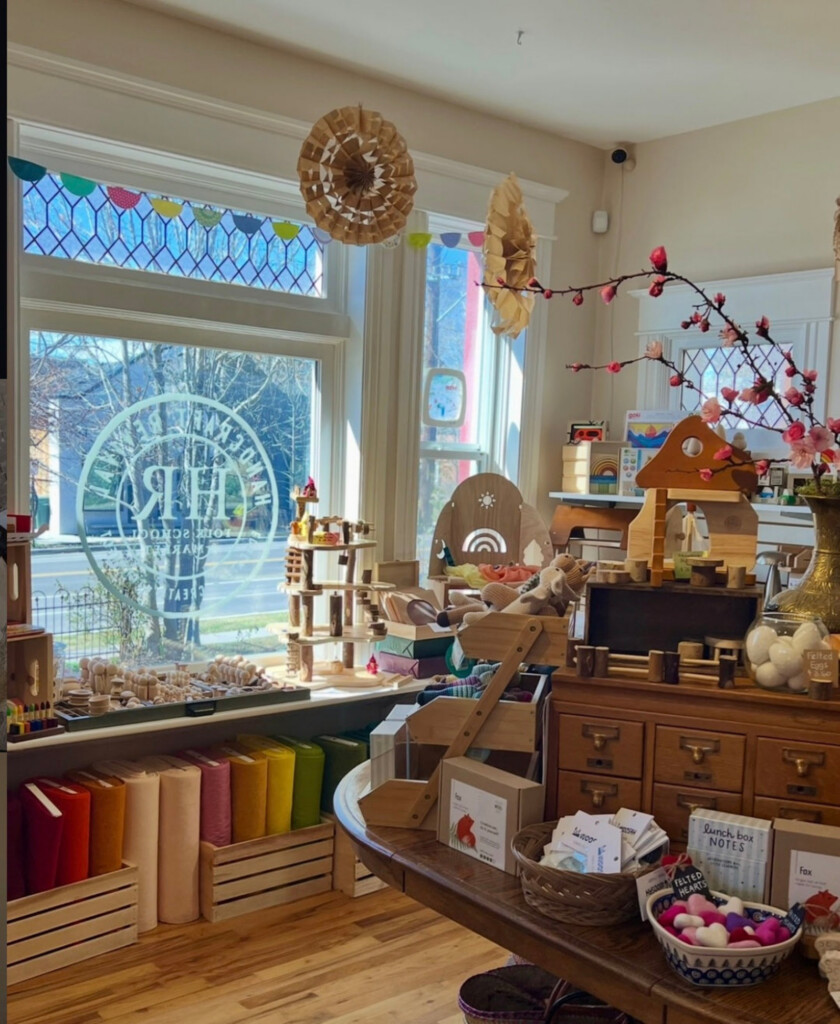
Founded by Jennifer Samuelson and Melissa Mott, Handcraft Revival in Salt Lake City hosts an after school program that teaches these valuable skills to kids today.
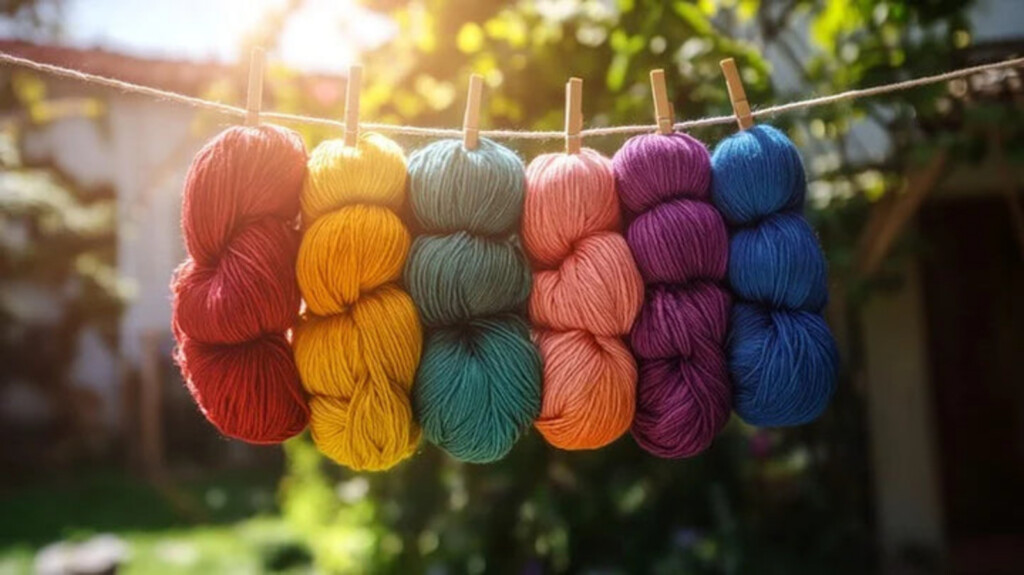
“We offer after-school classes in machine sewing, handwork, as well as a seasonal craft club,” said Samuelson. “Each class runs for a 10-week session, giving children enough time to truly learn a new skill, build confidence, and complete a meaningful project from start to finish. Our instructors have years of experience teaching handwork to children and carefully guide students at their own pace. We use beautiful, natural materials like wooden knitting needles, wool yarn, cotton fabric, and other quality supplies because we believe children deserve to work with real tools and materials that are both functional and inspiring.”
These skills have a significance to them that has held up through the past 200 years.
“I think these skills are important for both children and adults because our hands and our brains are deeply connected,” said Samuelson. “Activities that require fine motor skills help develop coordination, dexterity, attention, and problem-solving. They also encourage a pace of life that teaches patience, persistence, and sustained focus. As a teacher, I’ve seen firsthand how handwork can help children settle after a busy school day. There is something that feels deeply regulating about working rhythmically with your hands, and many students leave our after-school class feeling calmer, more confident, and proud of what they’ve created.”
Samuelson and Mott both enjoy teaching the after-school classes and love to see the different ways her students approach different tasks.
“One of my favorite parts of teaching these classes is watching children experience success in ways that aren’t measured by grades or test scores,” said Samuelson. “They discover that they can learn something difficult, overcome mistakes, and create something beautiful and useful with their own hands. That sense of competence and joy stays with them long after the project is finished. I think that’s something we could all use a little more of.”
Photos courtesy of Handcraft Revival.