Utah Stories

New French Brasserie, Le Depot, Opens in Park City

Le Depot, a new French brasserie, opens in Park City, offering classic French dishes, fine wines, and craft cocktails in a stylish Main Street setting.

|


Le Depot Restaurant to Open

I’m excited that one of Utah’s best chefs – Galen Zamarra – is opening his new Park City restaurant next week. You might recall that the celebrated James Beard Award-winning Chef came to Utah from NYC to take over the Executive Chef position at The Lodge at Blue Sky Auberge Resort. His new restaurant, Le Depot, is a brasserie-style eatery drawing inspiration from his time in France, where he worked alongside some of the world’s most renowned French chefs.

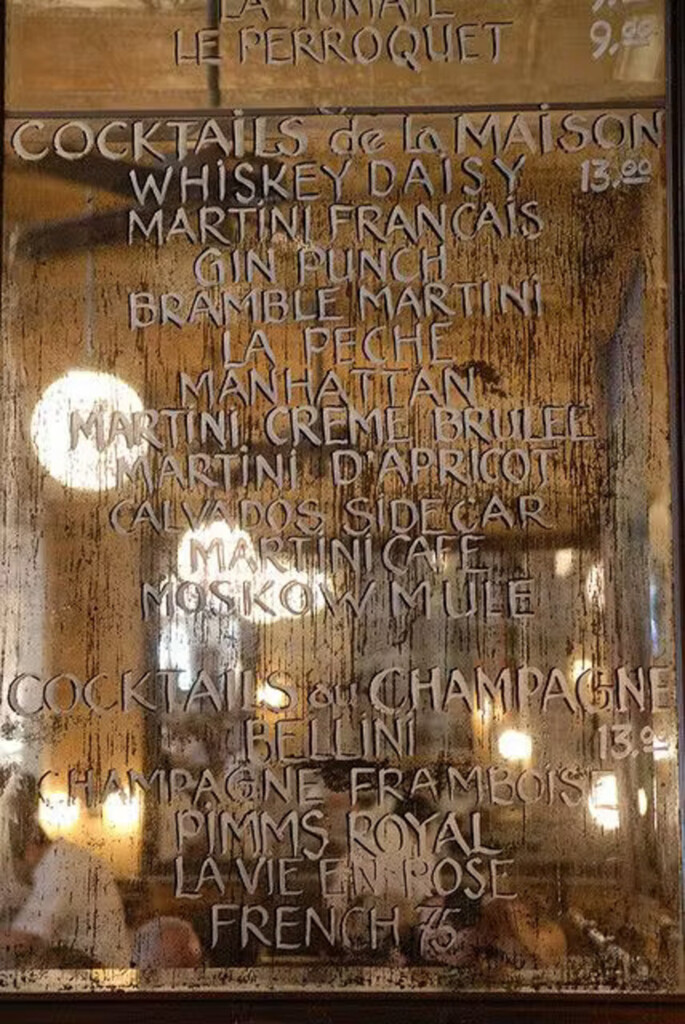
Located on Main Street, the Le Depot menu features dishes such as plateau de fruits de mer and roasted bone marrow, plus French wines, and an array of craft and non-alcoholic cocktails. 

In addition, Zamarra is also launching Union Patisserie, a new café and wine bar offering a casually intimate space reminiscent of a classic Parisian corner bakery. With a focus on freshness and craftsmanship, Union will serve an array of freshly baked pastries, sweets, and ice cream, as well as coffee and espresso drinks. Union Patisserie transforms from a daytime bakery into a chic wine bar in the evening, featuring French-inspired hors d’oeuvres, champagne, wine, and beer.

3 Nights of Passion at Log Haven

The folks at Log Haven restaurant in Millcreek Canyon invites guests to indulge in Three Nights of Passion, February 14-16 to celebrate love, lust and Valentine’s Day. 

In addition to the regular Log Haven menu featuring delectable dishes such as Wasabi Cured Salmon, Seared Elk Striploin, Achiote Adobo Grilled Organic Chicken, and Togarashi Crusted Tuna Tataki, Chef Dave Jones and his team will offer a special Valentine’s menu, plus specialty cocktails, mocktails, and live music. 

SingleThread Returns to Blue Sky

3 Michelin Star SingleThread returns to The Lodge at Blue Sky this February for a one-of-a-kind culinary journey. “ThroughLine”, a cinematic dining experience, invites guests to savor a 12-course Omakase menu and a short innovative film series directed by Emmy-nominated Justin Taylor Smith. Discover the farms, fisheries and artisans behind each course, and celebrate a shared commitment to sustainable sourcing and stewardship.

According to the organizers, “Embracing the serene elegance of winter, the Lodge at Blue Sky’s Wine Room will be transformed into an intimate Omakase tasting room. With a custom sushi bar and organic tablescapes crafted daily from natural ingredients that have been foraged from Blue Sky’s sprawling 3,500 acres, this curated experience is not to be missed.”

SingleThread Farm, Inn and 3 Michelin Star Restaurant, lies in the Russian River and Dry Creek Valleys in Healdsburg, CA, helmed by Chef Kyle Connaughton and Head Farmer Katina Connaughton. For pricing and further information about SingleThread at Blue Sky, visit aubergeresorts.com/bluesky

, , , ,


Join our newsletter.
Stay informed.


  • Highway 6 and the Midland Trail: Utah’s Transcontinental Highway History

    From Price Canyon to Delta’s desert stretch, Utah played a central role in building the Midland Trail, one of America’s earliest transcontinental highways and the foundation of today’s Highway 6.


  • New Salt Lake City Food Events: Sushi by Boū, Cucina Wine Dinner & Yamato Ramen Pop-Up

    Salt Lake City’s dining scene is heating up with three standout events: Sushi by Boū brings its nationally known omakase experience to downtown, Cucina hosts a late-February wine dinner, and UT Craft Ramen welcomes a special Yamato collaboration from Japan. From chef-guided tasting menus to limited-time ramen pop-ups, there’s plenty for local food lovers to put on the calendar this March.


  • Whiskey, Bullets & a Buried Town: Archaeologists Reveal Alta’s Wild Past

    Before Alta was known for powder days and lift lines, it was a silver mining town clinging to the side of a narrow canyon. In the late 1800s, men lived at 8,000 feet, went underground each day, and endured winters that regularly buried buildings in snow. This past summer, that mining town resurfaced — literally — during construction at the Alta Ski Area.

    To understand what Alta really looked like, you don’t begin with legend. You begin with its trash — and this time, that happened almost by accident.

    Alta Ski Area was installing underground water reservoirs to support snowmaking. Because the project sits on Uinta-Wasatch-Cache National Forest land, an archaeologist was required to monitor the excavation. No one expected the trench to produce much.

    But, It did.

    Artifacts began surfacing almost immediately. Enough that the Forest Service contacted the Utah State Historic Preservation Office for help. Lexi Little, who coordinates the Utah Cultural Site Stewardship Program, helped mobilize nearly 30 volunteers to assist with what quickly became a focused two-week excavation.

    Winter deadlines were approaching. The pipes for the reservoirs had to go in the ground. There wasn’t time for a slow, extended dig.

    “It was two weeks of digging in the dirt and helping figure out exactly what we were looking at,” Little said.

    Most of the people screening soil weren’t professional archaeologists. They were trained stewards from around Utah — part of a statewide volunteer network that now approaches 500 people. They poured dirt through shaker screens, scanning for fragments that could piece together a town long buried.

    “Archaeology is human trash,” Little explained. “Archaeologists are very into trash.”

    Alta had left plenty behind.

    https://youtu.be/hzIHzx3OGoo?si=dKcl2CEz-t6FZzYw

    Victorian-style ceramics appeared first — the kind typically used in hotels. Medicine bottles followed. Ink bottles. Hand-blown glass. A porcelain doll’s foot surfaced from the soil, a small detail that shifted the mental image of the town. Families were here. Children were here. This wasn’t only a camp of miners.

    The bottles helped establish time. Manufacturing details — whether glass was hand-blown or mold-made, whether a maker’s mark appeared on the base — allowed archaeologists to date many of the artifacts to the 1870s through the 1890s, when Alta was booming as a silver mining town.

    “That gives you that range of dates for when Alta was really booming,” Little said.

    One reusable soda bottle clearly stamped “Salt Lake City” connected the canyon to the valley economy below.

    Then something unusual rolled out of a dirt pile.

    A corked bottle. Intact. Liquid still inside.

    Continue reading and support independent Utah journalism with a purchase of Utah Stories (Digital + Print) or 3 month free trial (Digital).


  • The Only Full Bottle of Alcohol Ever Found in Utah Was Unearthed in Alta

    When a backhoe rolled a corked bottle out of the dirt at Alta this summer, no one immediately grasped what they were holding. It wasn’t empty. It wasn’t shattered. It was full. “The bottle that was discovered up at Alta is the only bottle of alcohol ever discovered in an archaeological excavation in the state…