Utah Stories

A Matter of Choice: Sandy’s New Scelto Restaurant

Fine dining at an independent restaurant in Sandy, with an impressive menu, and stunning design, creates a destination dining experience.

|


When you think about it, fine dining independent restaurants are few and far between in the south end of the Salt Lake Valley – a landscape littered with franchises and chains. But recently, one such spot opened in Sandy’s Aspen Plaza and it sure is impressive. 
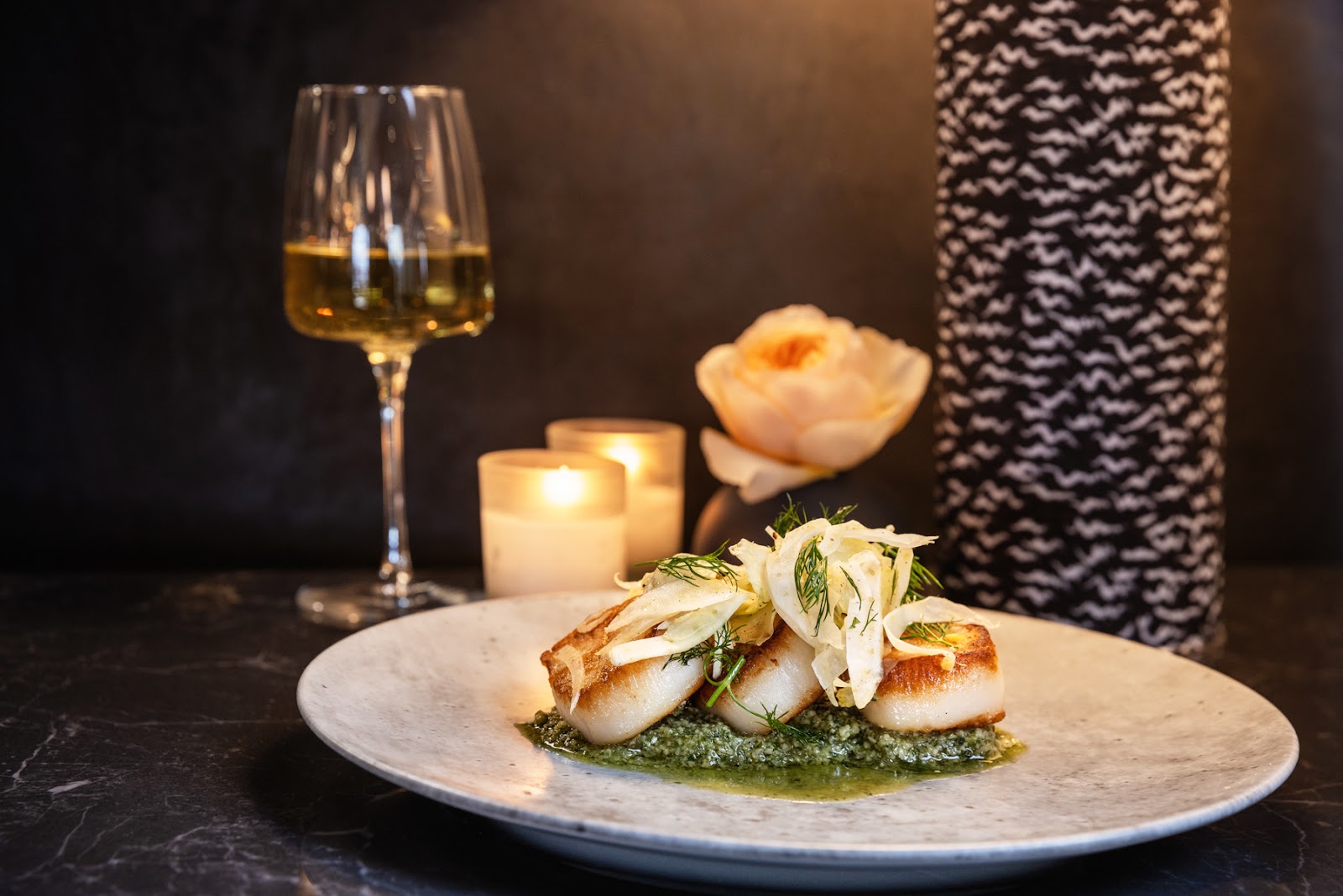
Pistachio Bagna Cauda Scallops

The restaurant is called Scelto (pronounced “Shell-tow”) and it’s the creation of business partners and real estate investors Waleska Iglesias and Scott Dilley. Speaking about opening Scelto, Iglesias said “Scott Dillely and I are excited to embark on this culinary enrichment and community-building journey, bringing a much-needed dining experience to Sandy. Our goal is to fill this gap and become a great gathering place for everyone.” 
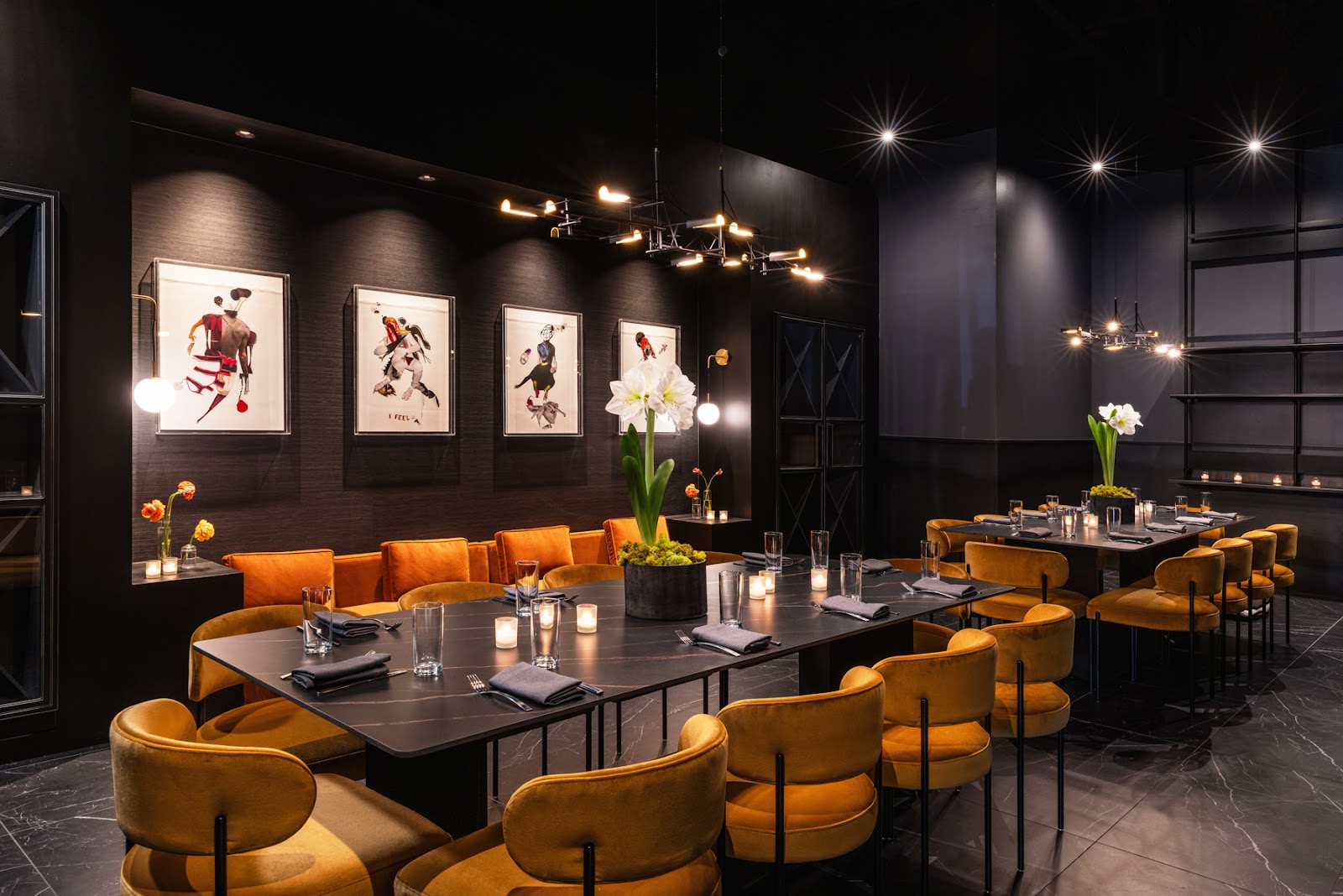
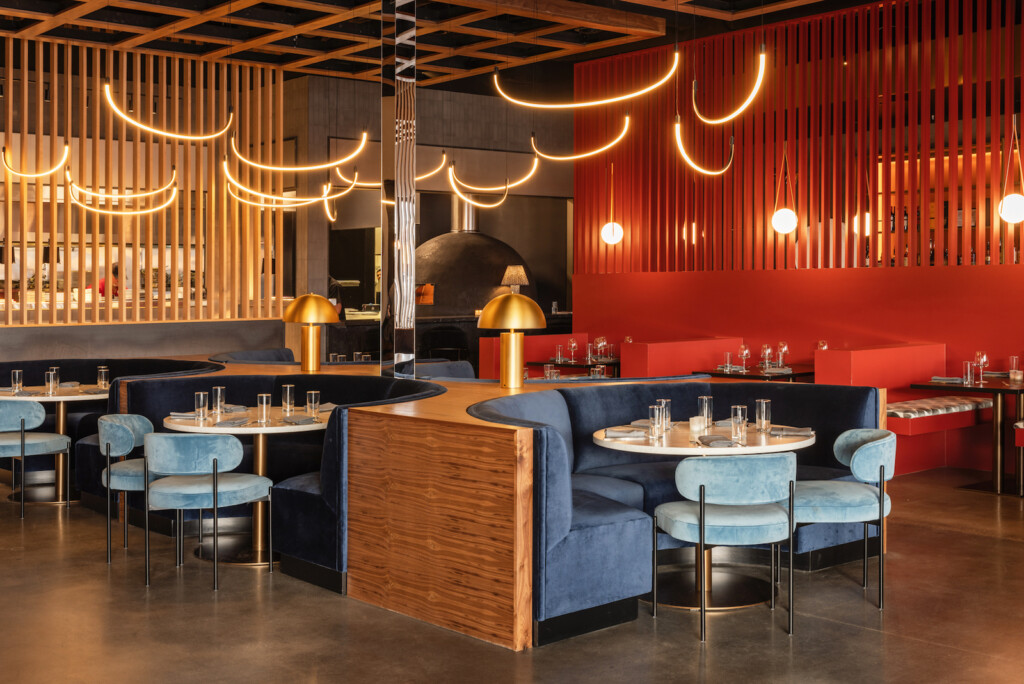
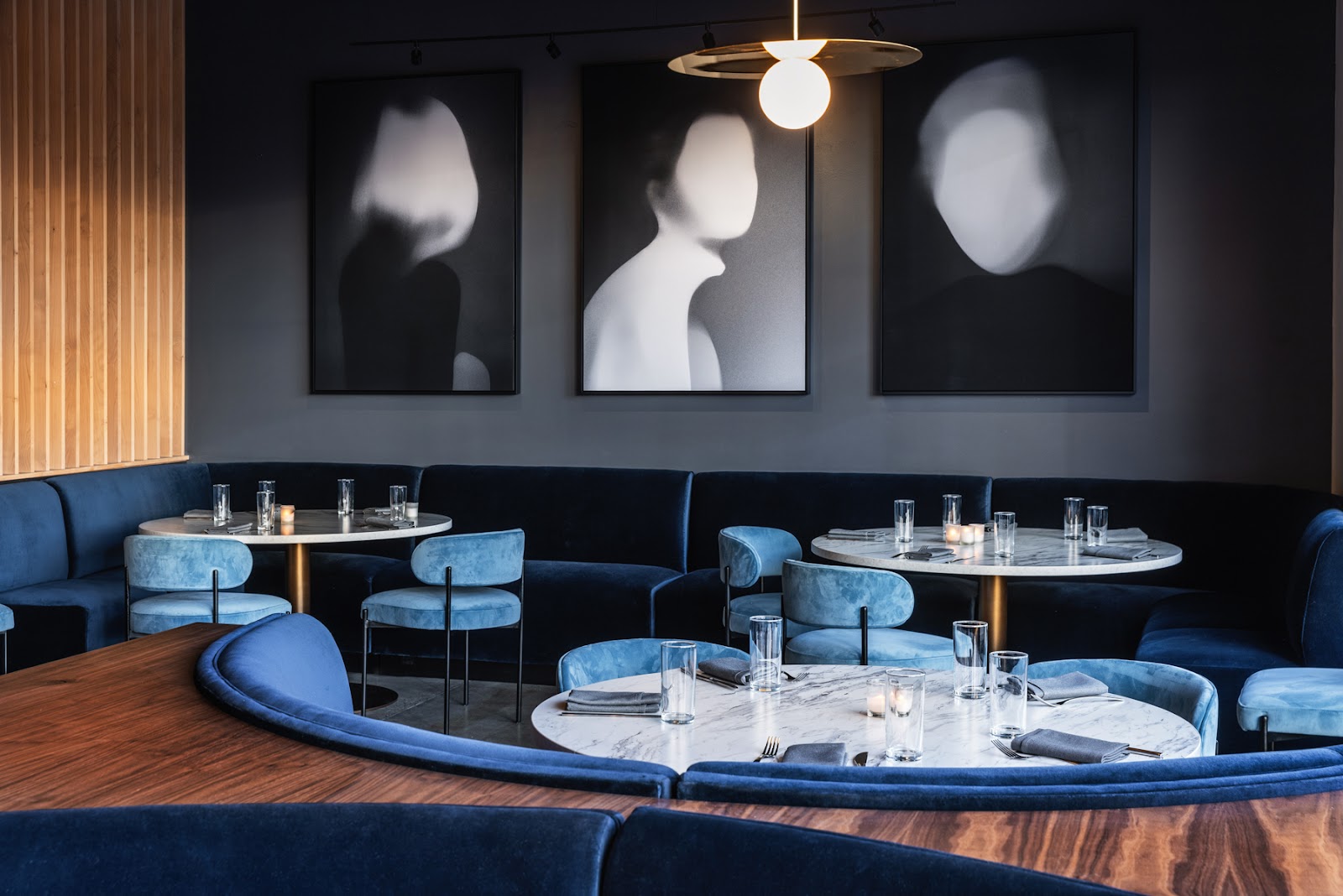
The new restaurant is a feast for the eyes and was designed by the same talented team who created the stunning look of Matteo Ristorante Italiano in SLC. Although the design and decor of the interior is very sleek and modern, it’s also warm and inviting, with soft, cushiony banquets and chairs and warm colors throughout. 
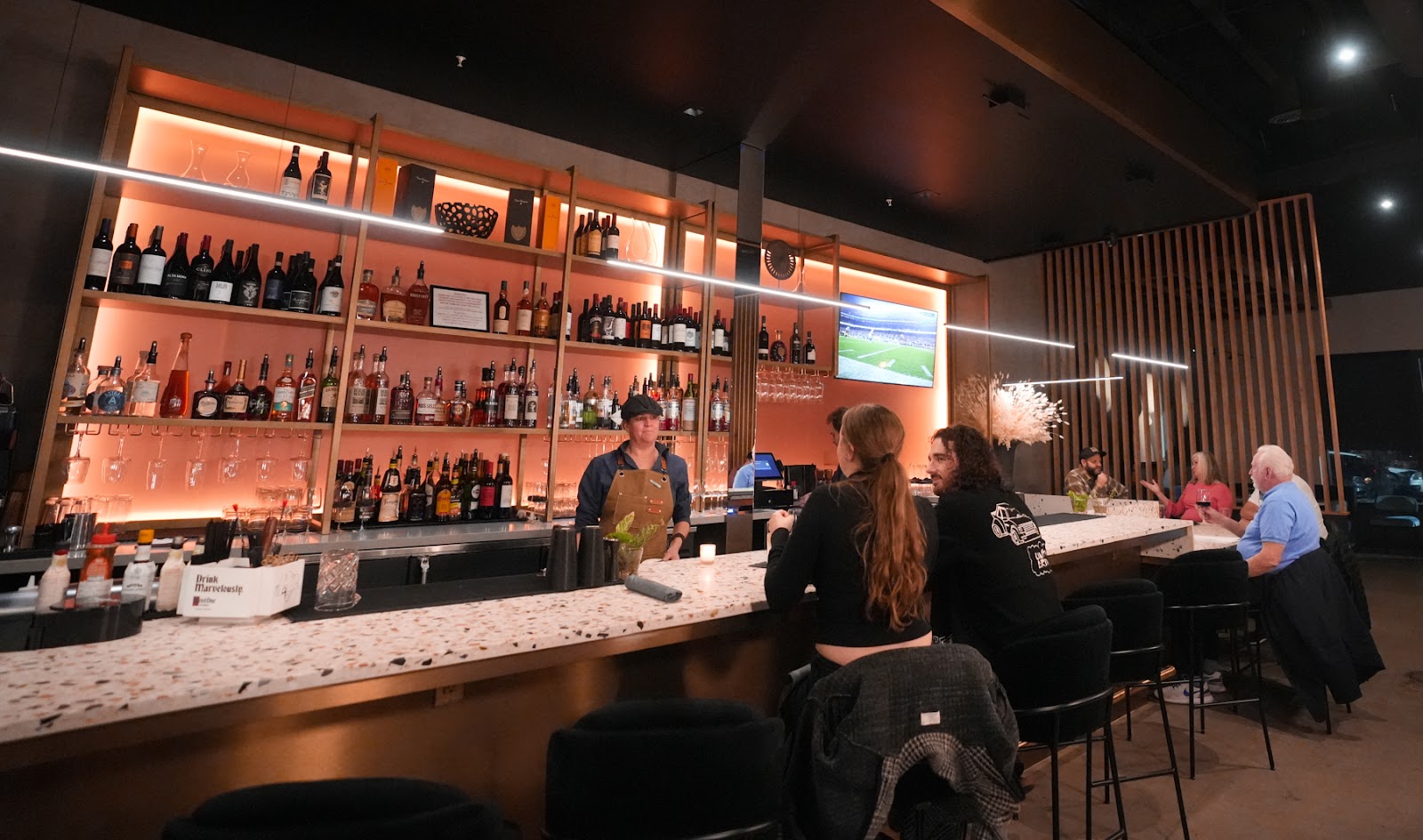
A key feature of Scelto is its large and lengthy bar area, where guests can enjoy wine, beer, cocktails and mocktails. How could you resist a Tiramisu Martini ($18)? It’s made with vanilla vodka, cacao liqueur, Kailua, espresso and whipped cream. Unfortunately, my wife and I were a bit disappointed in the wine selection, which appears to offer no specially ordered wines. The list is limited to wines you see in virtually all the UDABS stores: Kim Crawford, Straccali, Kendall Jackson, La Marca, etc. That’s a shame because the cuisine at Scelto deserves to be enjoyed with distinctive wines. 
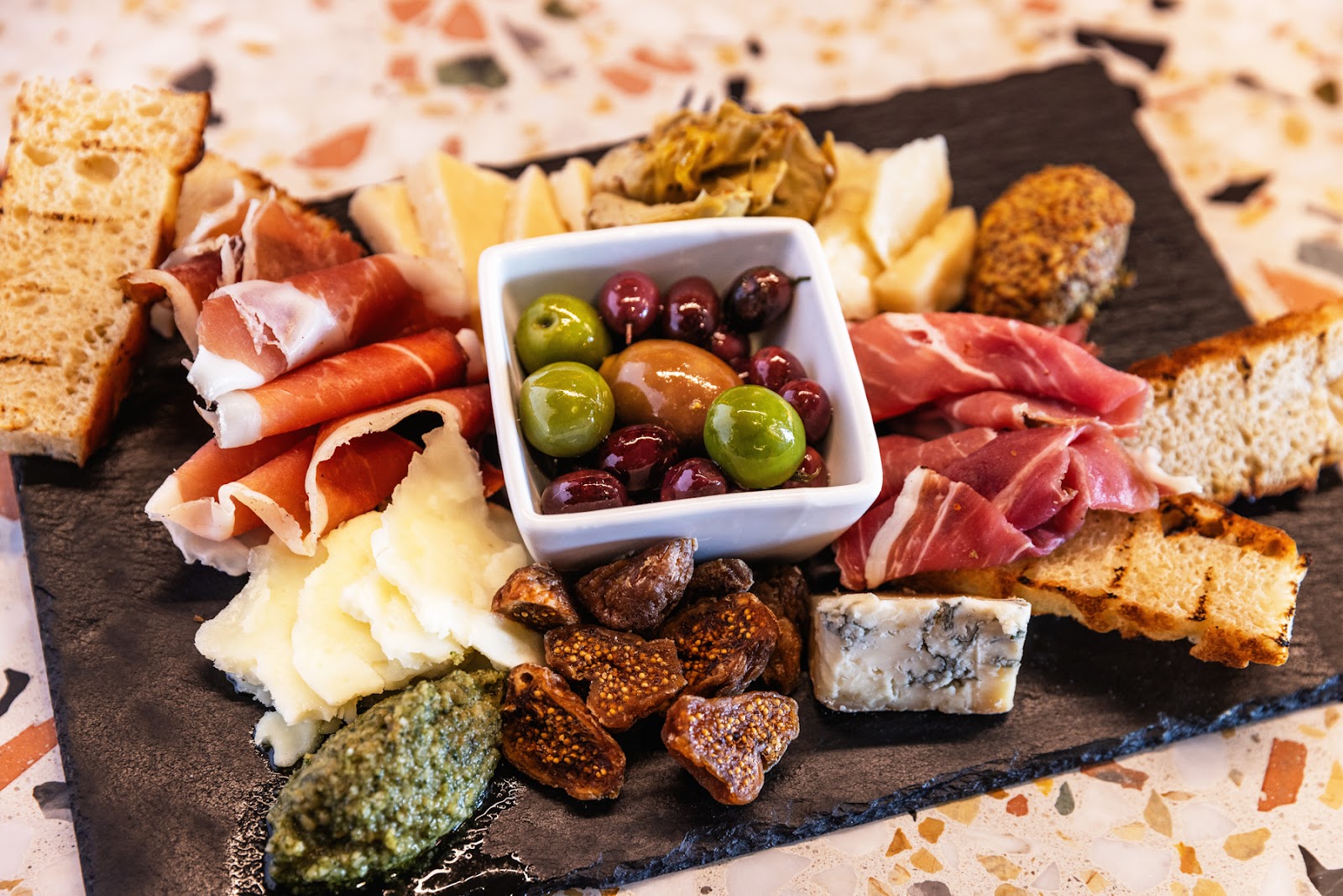
Charcuterie

Small Plates selections at Scelto include bread & butter service ($5), charcuterie ($27), calamari ($14) broccolini ($14), arancini ($16), and others. 
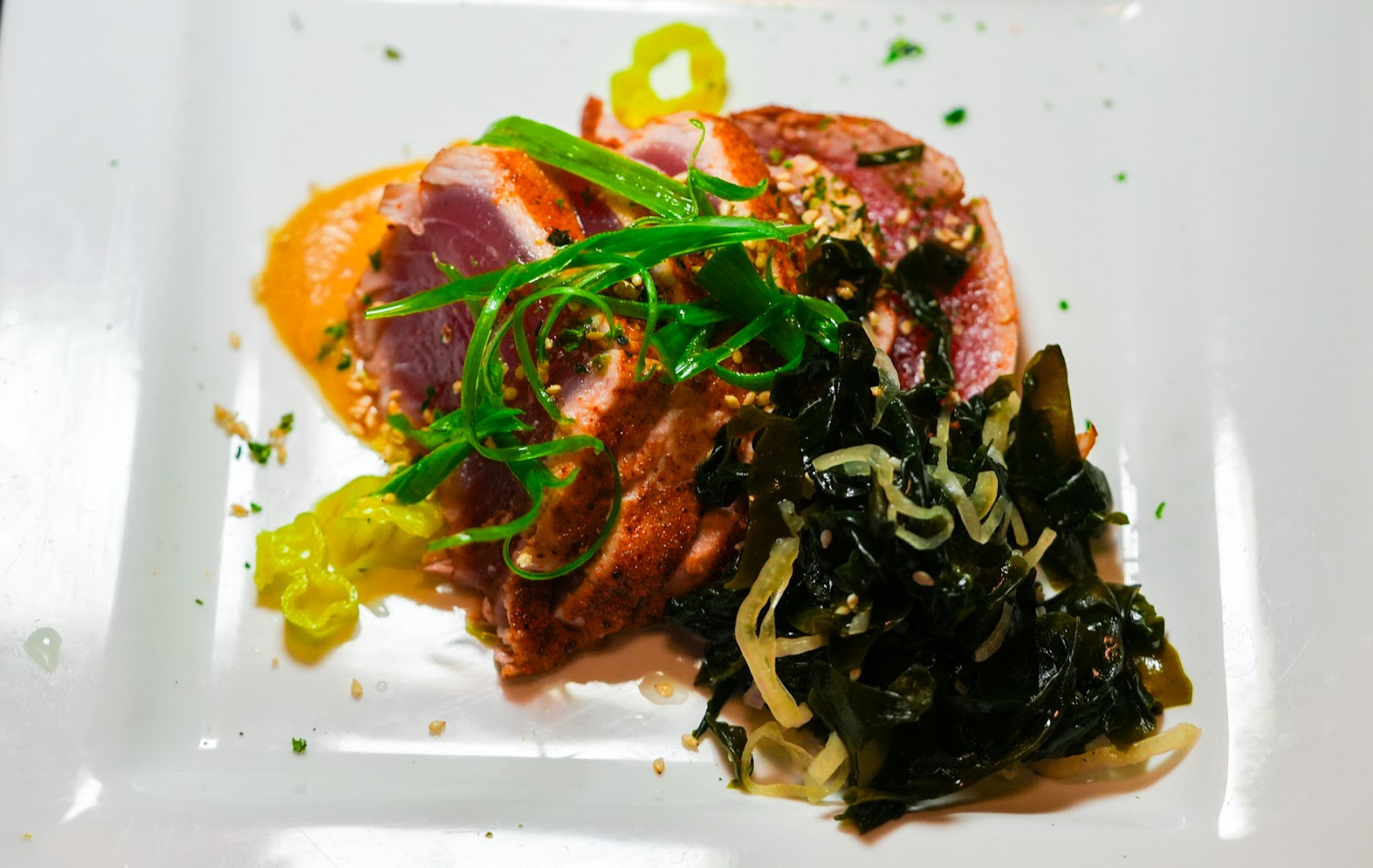
Ahi Crudo

From the small plates menu, we especially enjoyed the Ahi Crudo ($15), which was generous slabs of sushi-grade ahi tuna, lightly seared on the edges with a nice crust, served with a unique peperoncini butter  and nutritious wakame – a species of kelp native to the northwest Pacific Ocean. There was enough tasty tuna on our plate to share some of it and take the rest home. 
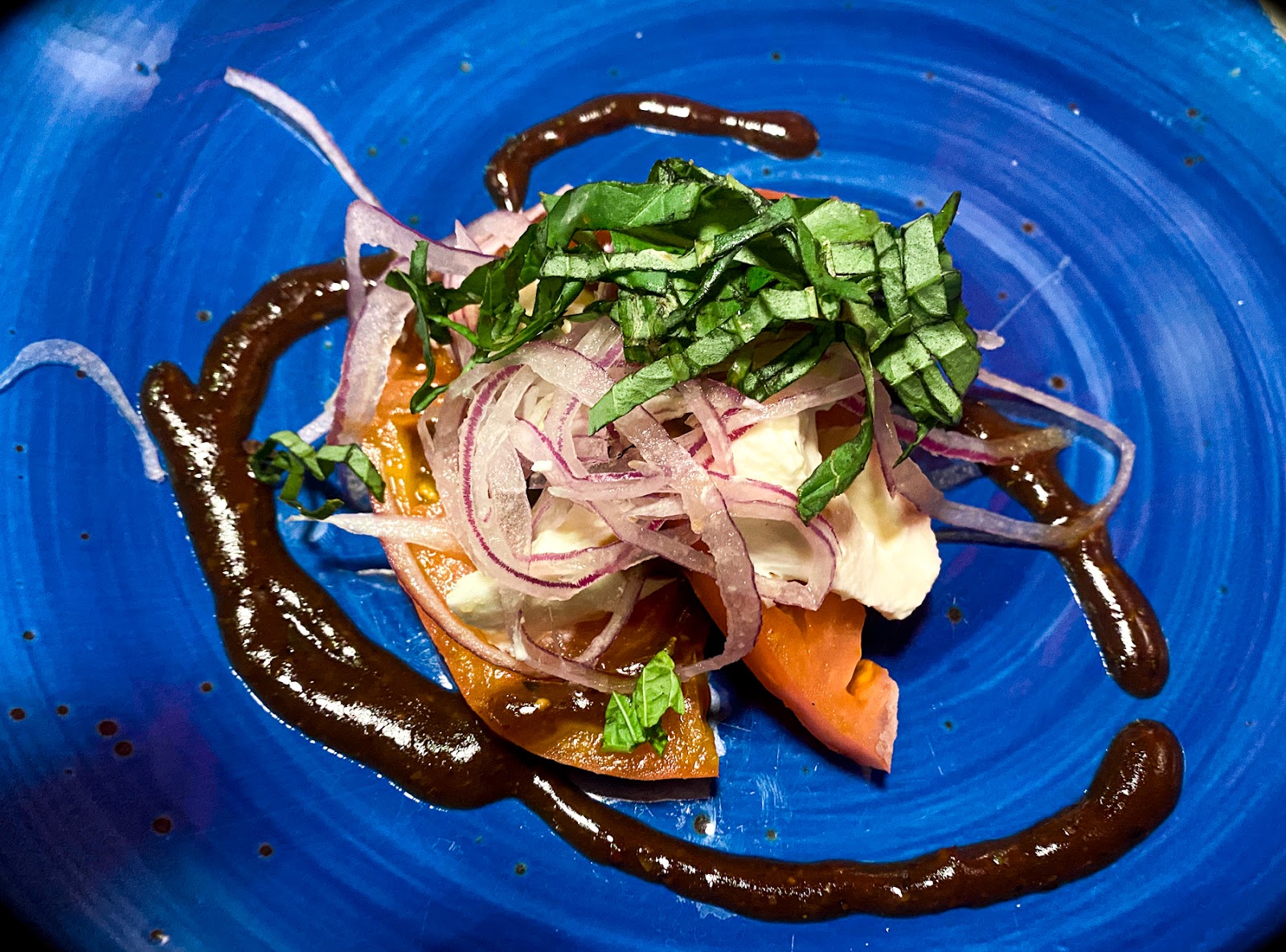
Caprese Salad

Salad selections at Scelto include a baby beet salad ($17), Caesar salad ($13), and the one we shared: a Caprese salad ($17) which, on the menu, was said to contain hearts of palm. There were no hearts of palm in our salad, which was ripe heirloom tomato slices topped with fresh burrata and – oddly I thought – thin-sliced red onion – as well as basil chiffonade and a drizzle of hazelnut balsamic. It was fine, but I’ve never had a Caprese salad with onion before. 
It was terrific to get to see Dave Ipaktchian, the General Manager at Scelto, and a good fellow that I’ve known in the food industry for something like 25 years from businesses like Mullboon’s, Iggy’s Sports Grill, Miyazaki, Nino Viejo, and others. He’s an outstanding manager and we were equally impressed by our stellar server, named Sean. 
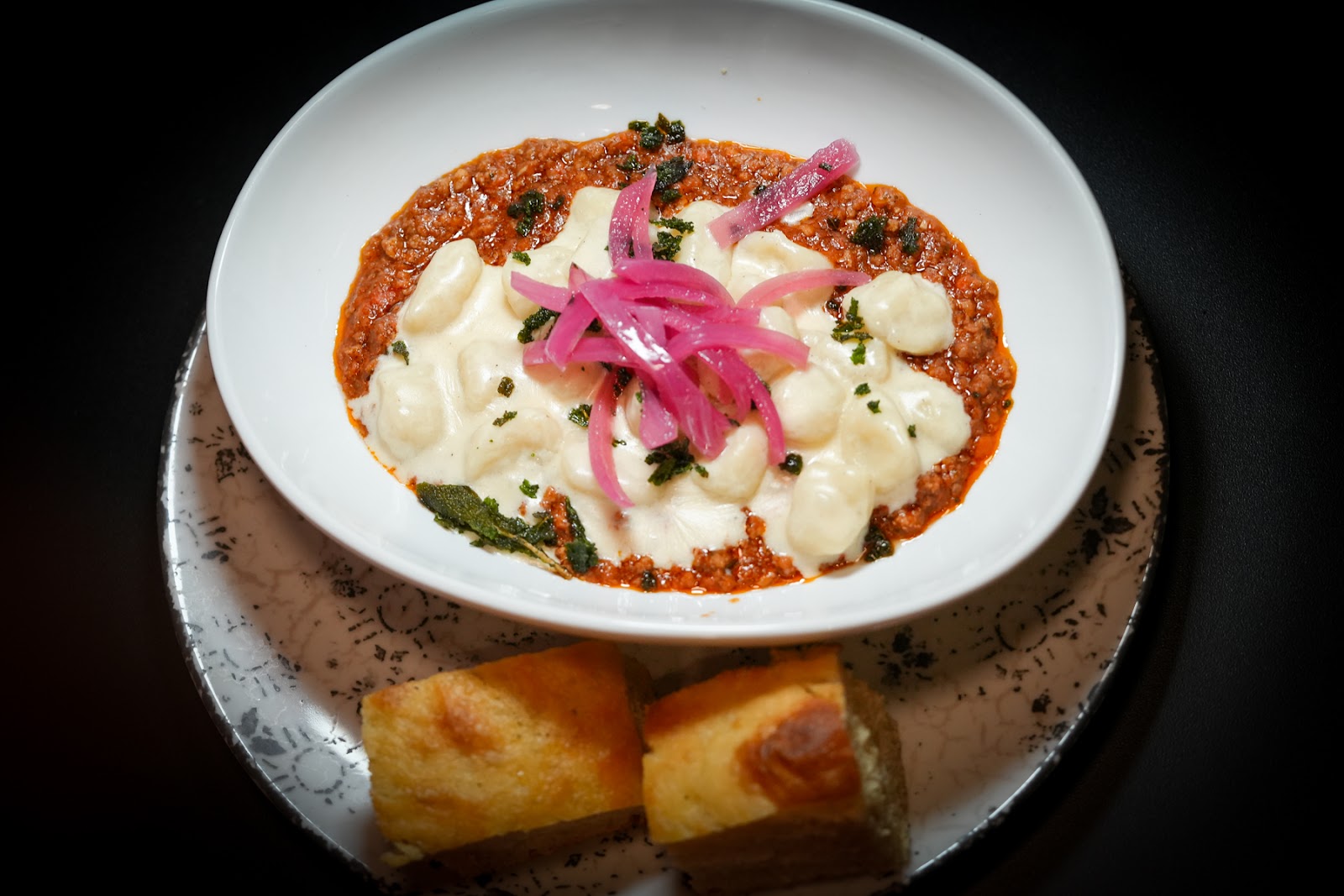
Gnocchi

There are a half-dozen pasta dishes at Scelto, where all of the pasta is made in-house daily. Pasta dishes include spaghetti & meatballs ($26); lasagna with beef ragu ($25); capellini d’angelo with shrimp ($26); carbonara ($28), wild mushroom pappardelle ($28); and gnocchi ($24), which Faith and I shared. The gnocchi dish was deliciously different – I’d go as far as to say, odd. Wonderfully light and airy homemade gnocchi was served with two different sauces, but layered in the same bowl: ragu di vitello (veal ragu) and sage cream sauce. I loved both sauces but would have preferred them in a bifurcated plate or bowl with sage cream sauce on one side and ragu di vitello on the other, rather than blended together. And, I didn’t really think that the slivered pickled red onions added anything to the gnocchi dish, other than color. 
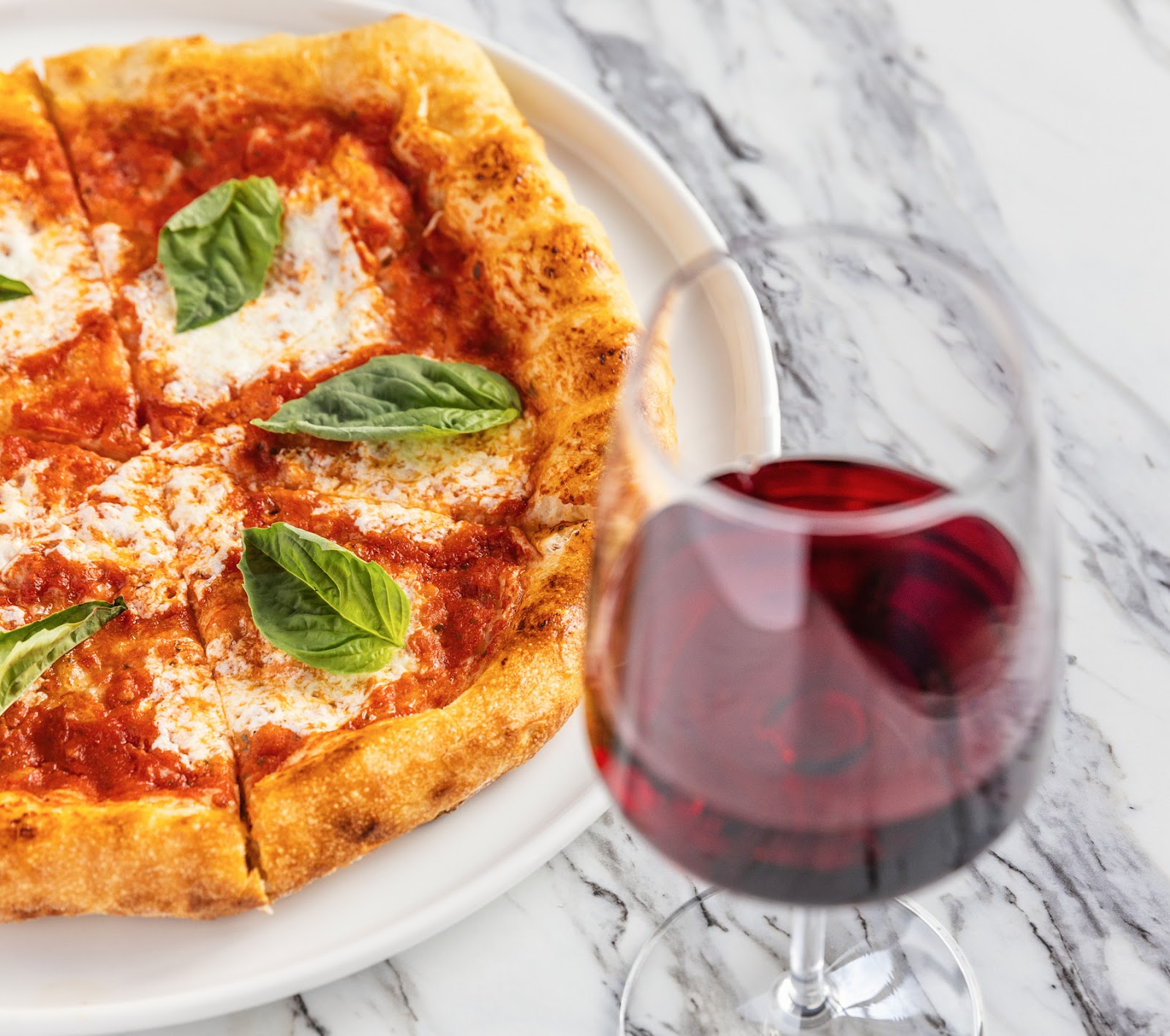
Margherita Pizza

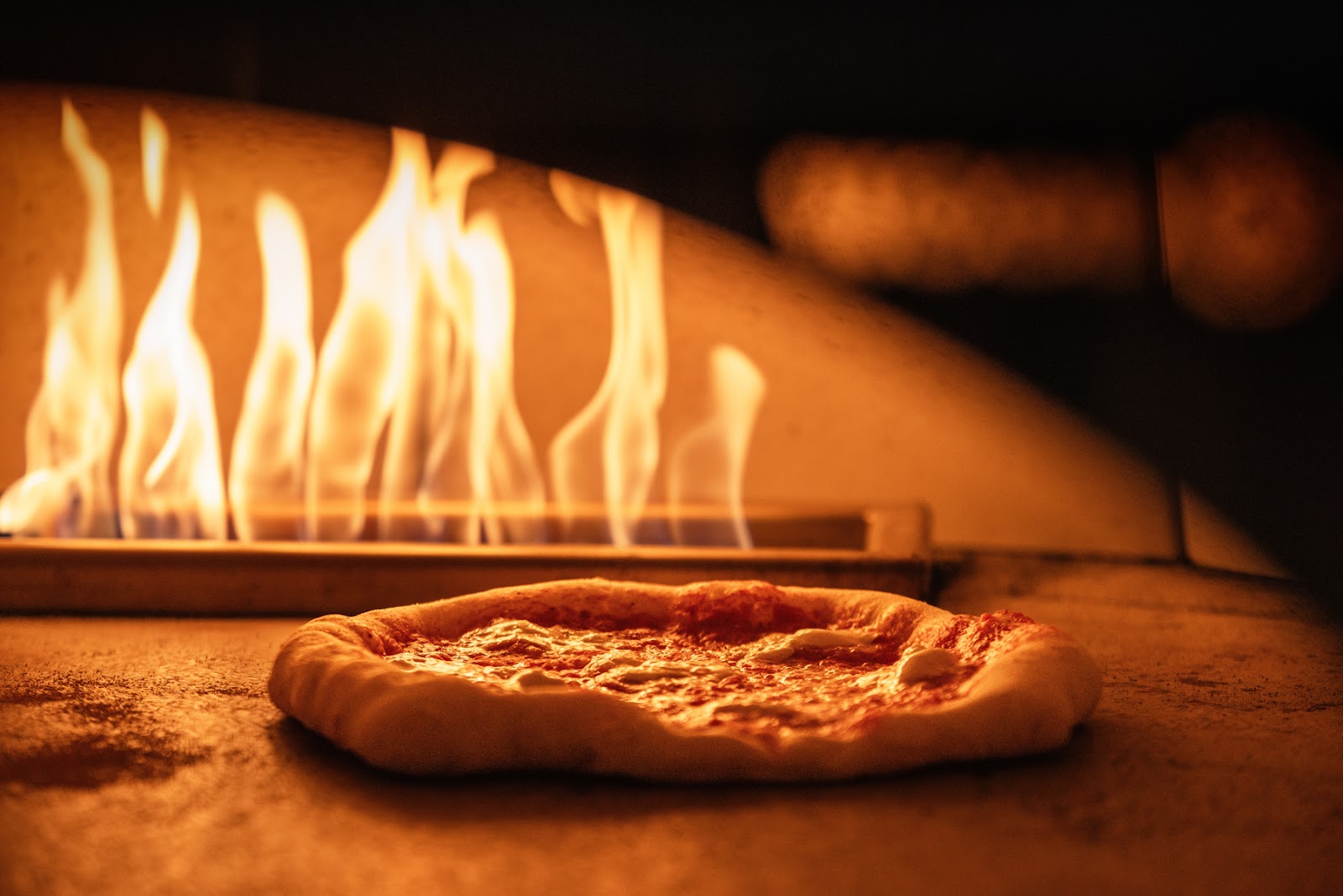
A handful of Neapolitan style pizzas pepper the menu, as well. They include a tempting cacio e pepe pizza ($17), formaggio ($18), carne/pepperoni ($18), blanca ($20) with grilled chicken and goat cheese; settembrina ($19) – fig, prosciutto, arugula & fontina; and fungo wild mushroom pizza ($18). I always think that a Margherita (spelled Margarita on Scelto’s menu) pizza is the best way to judge a pizzaiolo (pizza maker) by, since there’s no place to hide. As is traditional, the Margherita at Scelto is made with nothing but first-rate dough, fresh mozzarella, olive oil, San Marzano tomato sauce, and fresh basil. It was excellent, although someone in the kitchen was a bit heavy-handed with salt, either in the sauce or sprinkled on the pizza itself. 
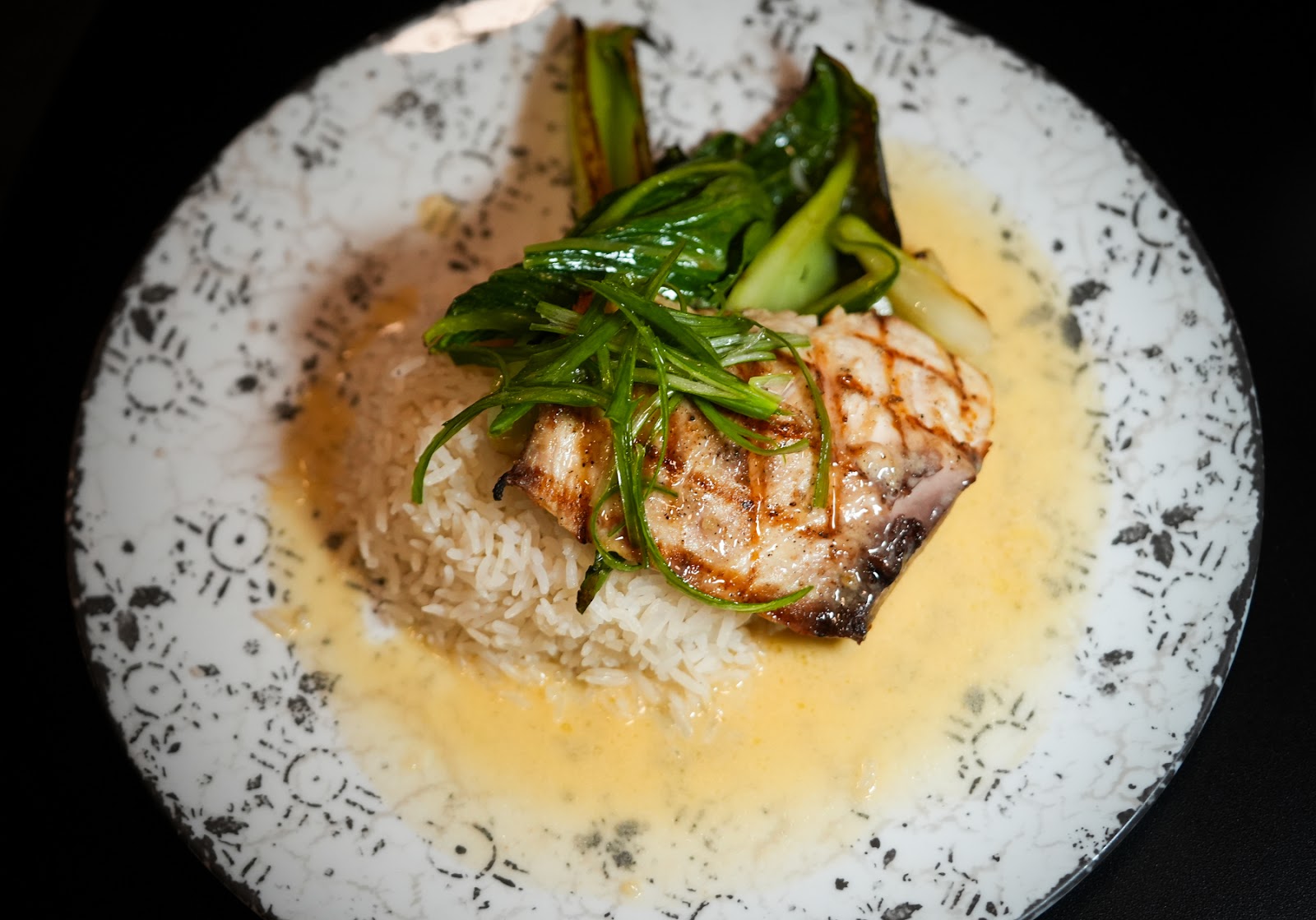
Mahi Mahi

Seafood lovers have some tempting entrees to choose from, including cioppino ($36) with mussels, clams, scallops and shrimp; salmon ($32) with parsnip puree, heirloom carrot, sherry wine reduction and tapenade; or scallops ($32) on a bed of pistachio bagna cauda with sumac and fennel. The night we visited Scelto there was a very interesting sounding fish special, which Faith ordered. It was a beautiful fillet of mahi mahi, cooked to perfection, with guava beurre blanc, basmati rice, and julienned bok choy. 
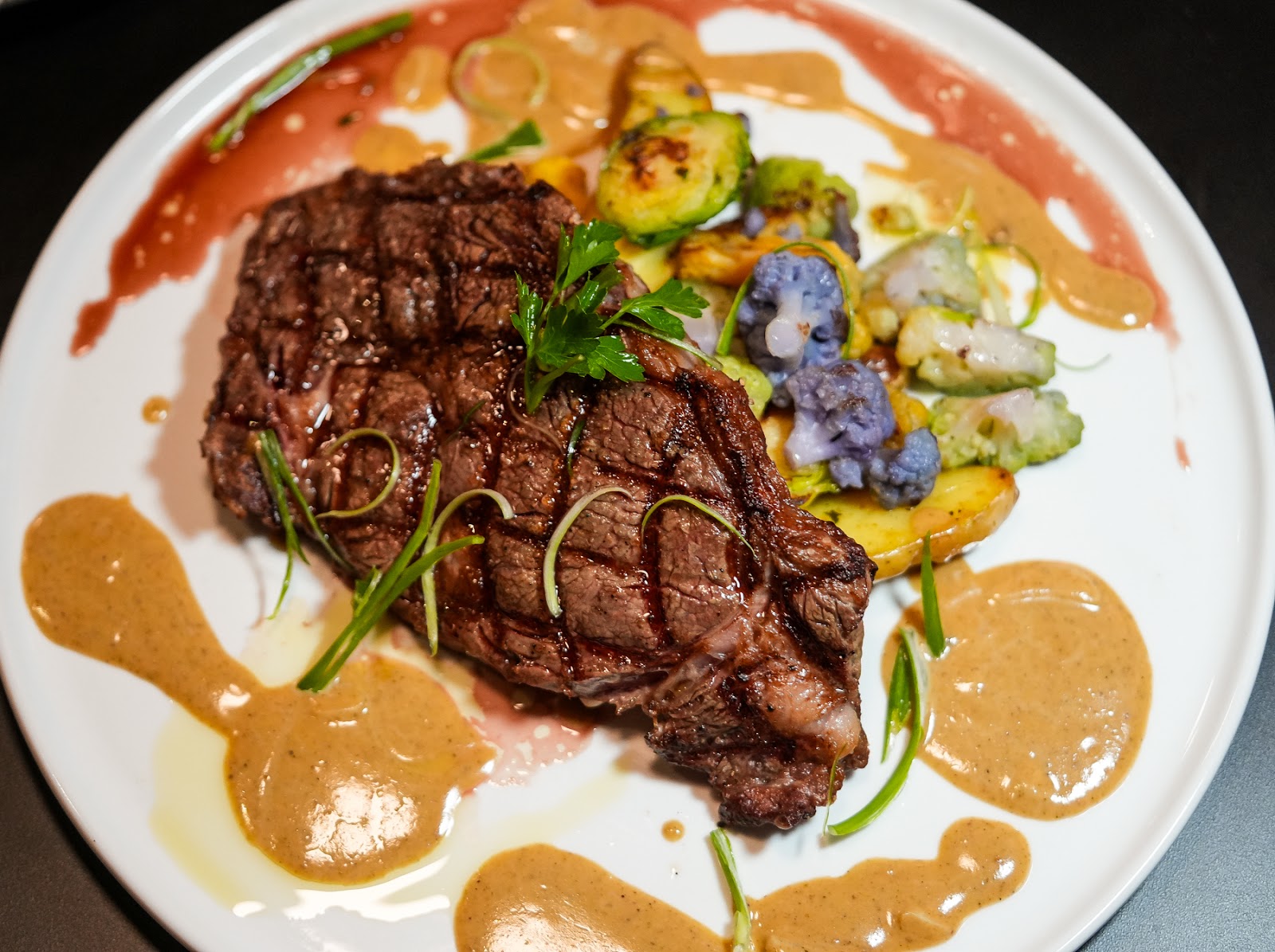
Bistecca

Meat lovers are well-served at Scelto as well, with dishes like short ribs with caramelized shallot, garlic mashed potatoes, and red wine jus ($38); veal scallopini piccata ($36); filetto – an 8 oz. beef filet with Savoyarde potatoes, asparagus and cabernet demi glace ($52); and the delectable entree I ordered: Bistecca ($48). Lately, I’ve seen a bevy of ribeye steaks on restaurant menus priced at $75 and above, without any side dishes. So, $48 for a 14 oz. boneless ribeye with fingerling potatoes, sauteed veggies, and pepe verde (green peppercorn sauce) seemed like a steal! The steak was cooked perfectly – medium-rare, as requested, served with fingerlings, blue and green cauliflower florets, and charred Brussels sprouts.
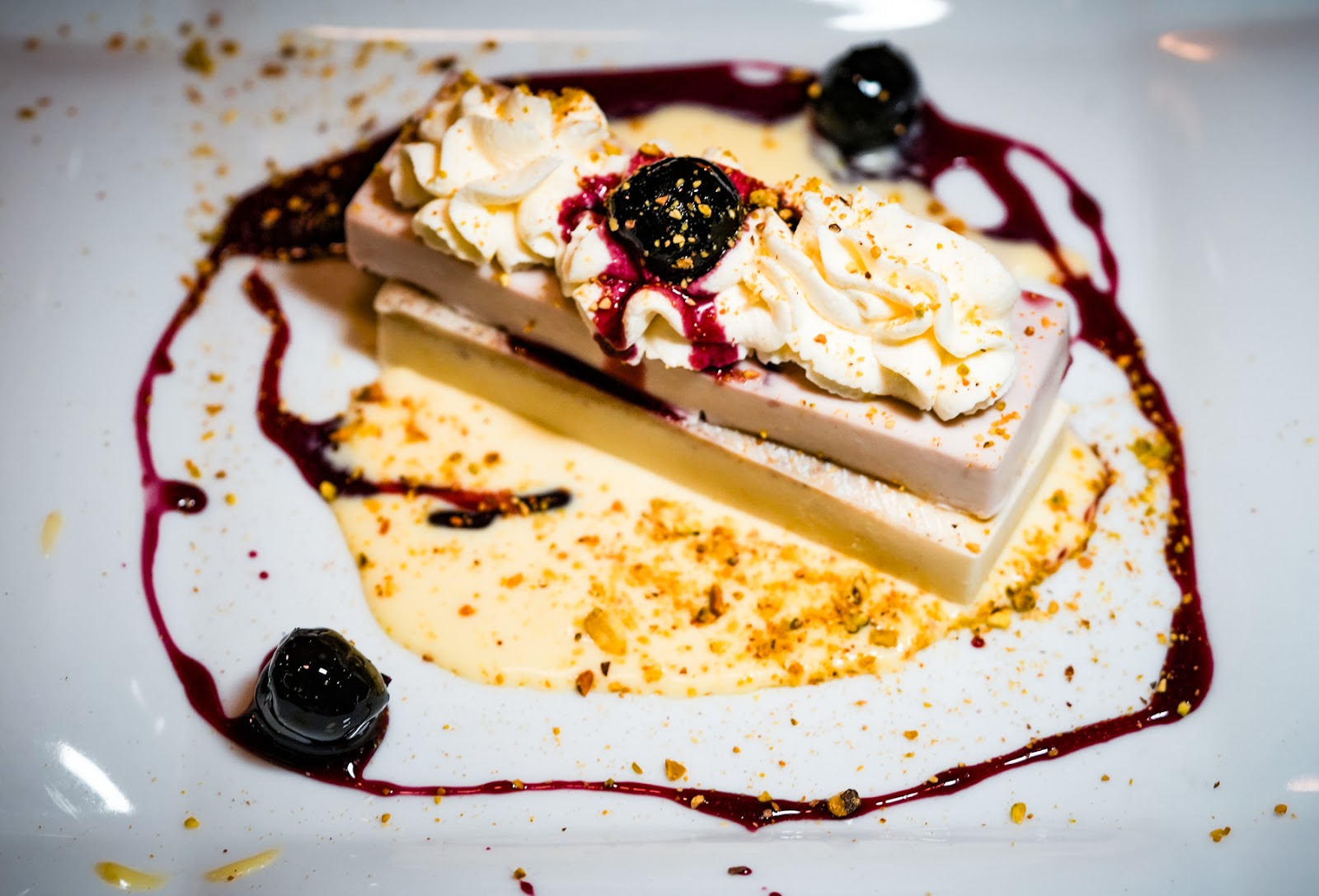
Panna Cotta

I wish I’d thought to ask the name of the pastry chef at Scelto, because the desserts were outstanding. Panna cotta with cherry, pistachio and lemon creme was as delicious as it was gorgeous. 
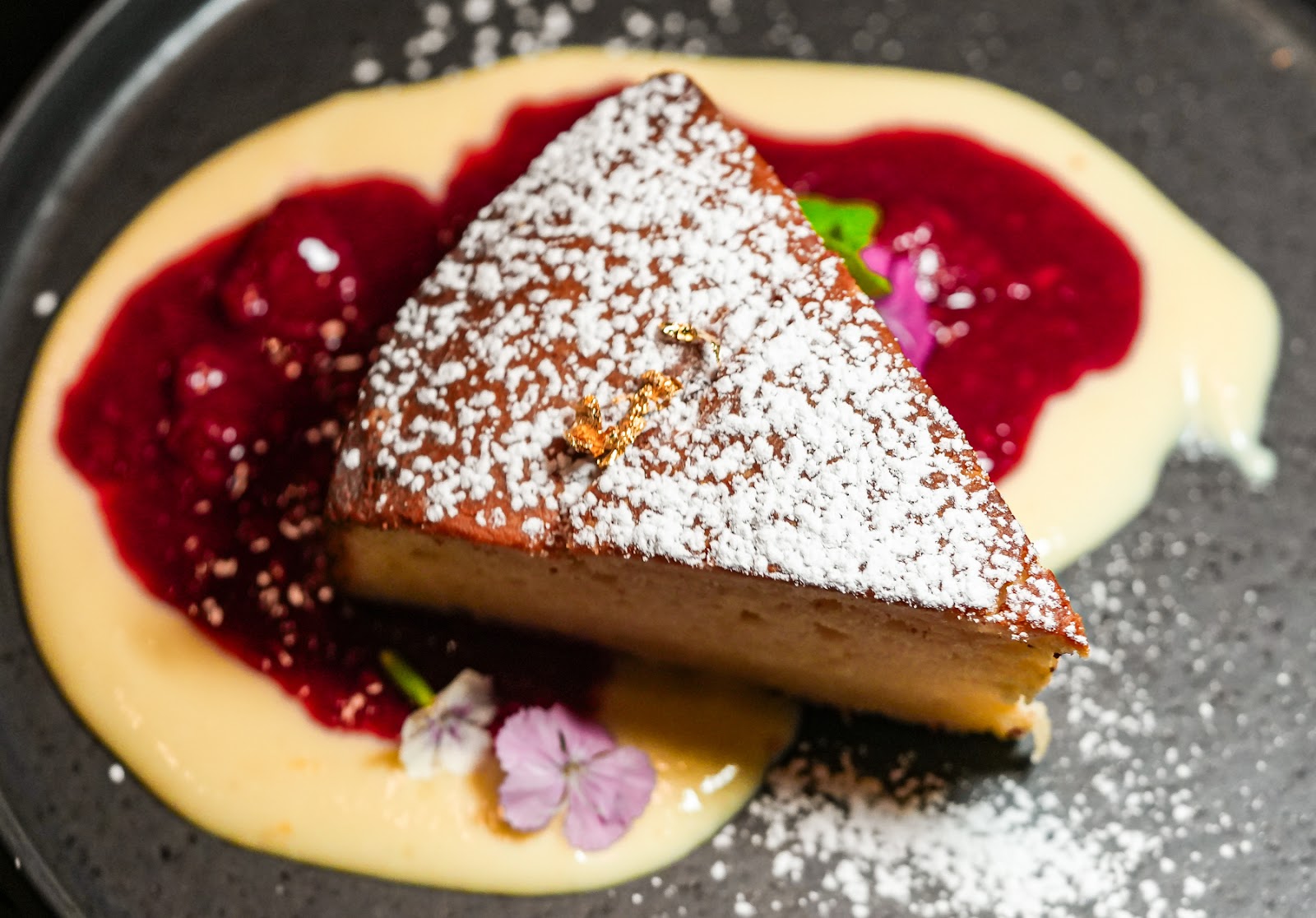
Lemon-Ricotta Cake

Other sweet temptations at Scelto include creme brûlée ($12), Indonesian vanilla gelato ($7), bundino ($10), tiramisu ($10), and heavenly lemon ricotta cake dusted with powdered sugar and served with a lemon-cherry sauce. 
If you live in or near Sandy, I think you’ll find Scelto a very welcome addition to your local dining scene. Sure, it’s brand new and there are a few kinks to work out. But the cuisine generally is first-rate, the service is exceptional, and the design and decor is some of the most dazzling in Salt Lake County. By the way, “scelto” in Italian means “choice,” and I think that Scelto is already a damned good dining destination choice. 

Photos by Ted Scheffler & Courtesy of Dan Campbell Photography

Culinary quote of the week: “The artichoke is a trick vegetable.” Groucho Marx

, , , , ,


Join our newsletter.
Stay informed.


  • Salt Lake Food News: Gossip Kitchen Opens Downtown, Hand Roll Pop-Up, Cinco de Mayo Specials in Park City

    A new downtown restaurant blends Japanese tapas with Italian classics, a one-night hand roll pop-up lands in Sugar House, and Park City prepares for Cinco de Mayo with taco specials.


  • El Puerto in Sandy Brings Authentic Veracruz Cooking and a 3-Generation Mole to Utah

    Their culinary roots go back more than 30 years in Veracruz, where the restaurant tradition began with the grandmother, continued with the mother, and is now carried forward by the granddaughter.


  • The $7 Million Recruit: How NIL Changed College Athletics Forever

    In 2012, Jabari Parker, a top high school prospect and member of the Church of Jesus Christ of Latter-day Saints, was facing his biggest decision to that point in his life: where to play college basketball. 

    Fans of BYU athletics hoped and perhaps prayed that Parker would pick the school owned by the church he was raised in. BYU was listed as one of his final choices. But he ultimately chose to spend his college years at Duke before attempting a career in the NBA. BYU fans were disappointed, but no one was truly surprised. Duke over BYU was the best choice for a young prospect in 2012. 

    A.J. Dybantsa.

    What changed between 2012 and 2024 when A.J. Dybantsa, the number one high school prospect, chose BYU over every other school? The answer is roughly $7 million dollars. That is what Dybantsa is reportedly making to play basketball at BYU. 

    The deal was supported by Utah Jazz owner Ryan Smith, who met multiple times with the Dybantsa family in multiple attempts to bring the young player to Provo. 

    According to Smith, he had no financial role in bringing Dybantsa to BYU, but the influence of Utah’s most famous billionaire acting as a “booster” or unofficial recruiter certainly swayed the decision.

    Prior to 2021, boosters acting as recruiters was taboo to the NCAA governing body. It was called improper recruiting. But in 2021, California began the modern era of NIL, or the ability of a college athlete to benefit from their name, image, or likeness, when they passed the “Fair Pay to Play Act.” 

    This new law gave college athletes in California the ability to benefit from their NIL, something that was banned in the rest of the country to that point. The NCAA saw that this law would create an unfair advantage for California schools that could now give young athletes the chance to make money off their talent and image while still in college. 

    The NCAA knew they needed to do something quickly, so they rushed through a policy that opened up NIL to all college athletes in the country, and it has been expanding and evolving over the last four years. 

    Grant Duff, who has coached at the University of Utah, Weber State University, and is now the defensive coordinator for Idaho State University, says, “The best part of NIL is that athletes have an opportunity to make good money. The downside comes with the free-for-all that money causes.”

    Dybantsa confers with BYU Head coach, Kevin Young.

    One of the biggest current examples of what a school can do when the boosters are willing to pay for success is Texas Tech University. From 2020-2024, Texas Tech had 34 wins, which works out to 6.8 wins per year with a low of 4 wins and high of 8. Then Texas Tech’s boosters got involved, led by Cody Campbell, an oil industry businessman and Chairman of the Texas Tech board. The football program was given 28 million dollars for NIL with a simple message attached to the large pile of money: Win. And win now. And win they did. 

    By signing NIL deals with athletes in the transfer portal, Texas Tech went from a middle-of-the-pack school in their conference to one of the top 12 teams in the country. They didn’t just win games in 2025, they made many of their opponents look like they didn’t belong on the same field, including the University of Utah and BYU twice. That is what money can buy.

    Continue reading and support independent Utah journalism with a purchase of Utah Stories (Digital + Print) or 3 month free trial (Digital).


  • Cottonwood Heights Corruption Allegations: A Case That Never Reached a Courtroom

    A year ago, we here at Utah Stories recorded a podcast episode that we never published. We were revisiting corruption allegations from ten years ago. We decided not to publish the video, so it sat there on YouTube for nearly 12 months.

    Then somehow the video was published. How? We are not sure, but once it got out there, the comments came pouring in.

    Dozens of viewers, then hundreds, supported the video with their comments on our examination of allegations of police misconduct in Cottonwood Heights. The video recounts how the Police Department was reported by business owners as focusing enforcement on customers of the former Canyon Inn bar. These allegations did not result in a publicly documented, full investigation by Utah’s Justice Department nor the FBI (at least to our knowledge). So why rehash the past?

    We believe the story of The Canyon Inn (and other area business owners) vs. CHPD and Cottonwood Heights Mayor Kelvin Cullimore raises questions about what can happen when allegations surface and do not move forward through a formal legal process with state or federal oversight.

    In 2012, Cottonwood Heights business owners at the mouth of the canyons began publicly objecting to police activity whereby up to seven cruisers were pulling over 711 and Canyon Inn bar customers on their busiest evenings.

    According to those accounts, drivers leaving the bar were frequently pulled over by police and were given DUI tickets, sometimes even after passing a sobriety examination. The volume and concentration of those stops led residents and business owners to complain about the “heavy-handed treatment” of CHPD toward motorists, especially in and around the Canyon Inn and neighboring 711, and eventually the Porcupine Pub.

    Customers responded in predictable ways. Some chose not to return and avoid the area. Others went to different establishments. Over time, the owner of the Canyon Inn, Jim Stojack, stated that his revenue declined by 70% and that he believed police activity near his business was the main contributing factor.

    Utah Stories reported on these concerns by conducting interviews; gathering video documentation provided by those involved; and making public records requests. Through our GRAMA requests, we reviewed DUI citations issued by the Cottonwood Heights Police Department and examined how those cases were resolved in Holladay Justice Court. During that period, we observed a higher number based on our review of DUI cases dismissed in court due to lack of evidence compared to other jurisdictions. One DUI attorney, Tyler Ayers, went on record saying that CHPD was issuing a high volume of DUI citations that were later dismissed.

    That observation raised questions about how cases were being documented and prosecuted. It did not, on its own, establish intent or misconduct, but it became part of a broader set of concerns raised by multiple sources.

    Continue reading and support independent Utah journalism with a purchase of Utah Stories (Digital + Print) or 3 month free trial (Digital).