Is the historic building being railroaded?
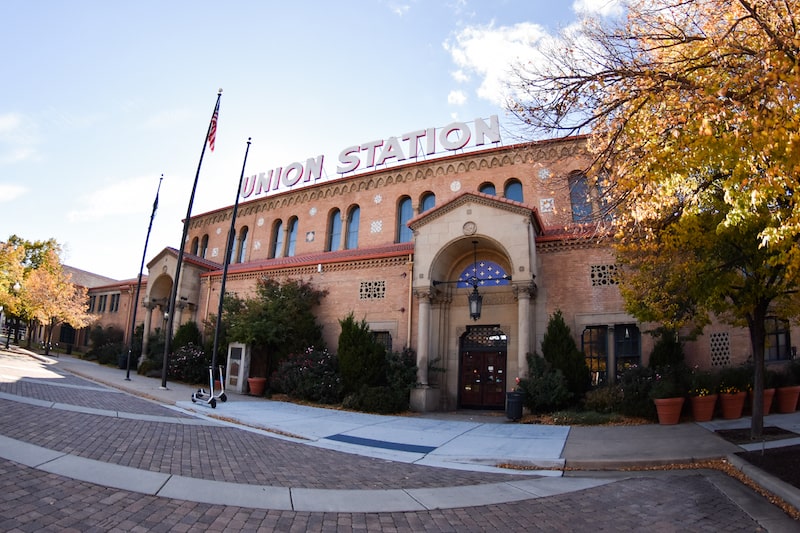
OGDEN ― A storm brews in this mountainside city over what will become of its iconic but neglected Union Station.
The original train station at the base of Historic 25th Street dated back to 1869. As train travel expanded, that station gave way to its larger predecessor in 1889, a structure that succumbed to fire in 1923.
The current building ― listed on the National Register of Historic Places since 1971 ― was erected in 1924, and is now in need of significant renovation and restoration.
“There’s been many years of deferred maintenance at Union Station and it definitely needs some love,” Ogden Redevelopment Manager Damen Burnham said recently. “As the city managed the station for the last five years, it invested a substantial amount of money to that end, but it’s definitely going to need further action.”
Big plans underway
In a 104-page document made public in June, Utah Transit Authority and Ogden City unveiled their collaborative effort to redevelop the 8.4-acre Union Station property along with 4.5 acres to the south and 17 acres to the north.
The document describes their vision of a thriving mixed-use neighborhood that would encourage foot traffic as well as public transportation usage.
Similar to Union Station’s glory days in the mid-20th Century, the new campus would serve as a regional draw where people could work, shop, eat and enjoy “elevated living.”
In mid-October, Burnham said they’d selected a developer but were not yet ready to announce the name.
“We’re still waiting on some agreements,” Burnham said.
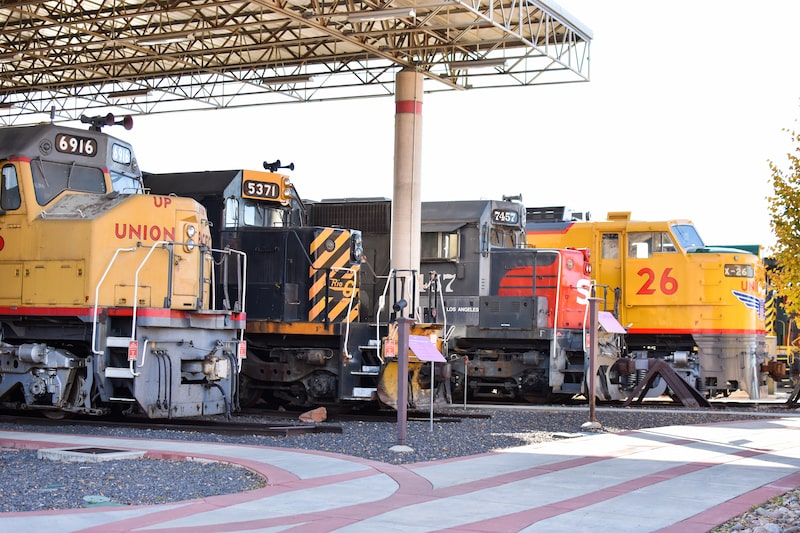
Preserving history
Volunteers who poured their time into keeping the station alive for decades now have significant doubts about whether the station’s character and history can survive such dramatic change.
Steve Jones, chairman of the Golden Spike Railroad Historical Society, voiced mixed feelings about the plans.
“If we look only at the (Union Station) structure, it could be good because there’s been a lot of deferred maintenance,” Jones said. “It needs attention and this may get it some of what it needs.”
But he fears the massive redevelopment could change Ogden forever ― “and not for the good.”
“A lot of what emanates out of Union Station … is the culture and feeling that Ogden still remembers its past,” Jones said, noting that could all be erased if preservation efforts fall short.
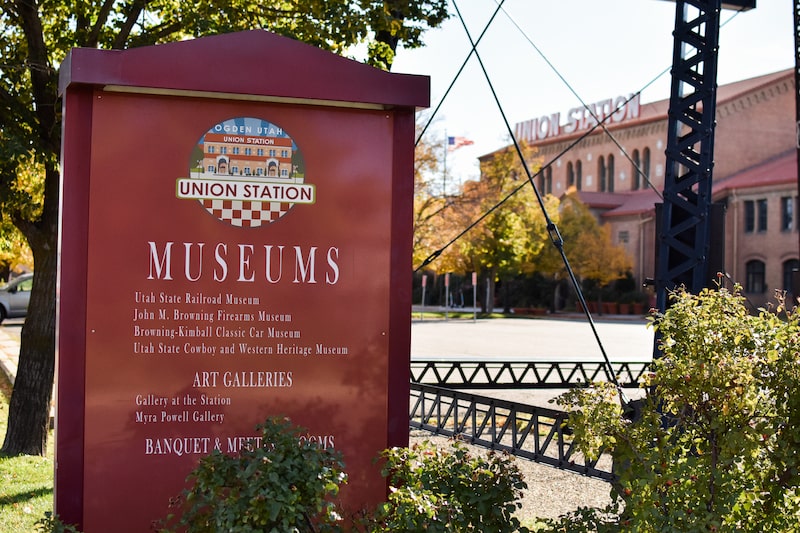
Museums at risk?
According to the city’s website, the various museums housed in Union Station date back to 1978, thanks in large part to historian Teddy Griffiths.
In 1988, Union Station became the official designation for Utah’s State Railroad Museum, and the building has since acquired a considerable collection. Roughy 25,000 artifacts now reside somewhere in the current structure.
The station also houses the Matthew S. Browning firearms collection, Matthew and Barbara Browning Classic Car Collection and the Floyd Jarvis Utah Railroad Collection.
To Jones, it makes sense to keep the state Railroad Museum in the existing station, but he said the other museums could benefit from more space and better security.
“So there’s certainly lots of reasons why an expanded museum complex could be very beneficial,” Jones said. “But it needs to be done the right way.”
The current plan would remove all museums from the station, with plans to eventually put them in a new heritage museum when funding materializes.
But that caveat about funding raises significant concern for Jones, who fears the out-of-sight treasures will ultimately be forgotten and “things will go into storage forever or just disappear.”
Firing the free labor
Theresa Holmes, who has volunteered more than 7,000 hours over 21 years as a Union Station museum docent, fears that systematic dismantling is already under way.
“We’ve worked our butts off to keep the museums going, and then these people fire volunteers,” Holmes said of downsizing she witnessed that included volunteers either being dismissed or getting locked out of their work areas.
Some exhibits have also been removed and hours of operation have been cut, Holmes added.
But Burnham, a former Union Station manager, countered that he should place a higher priority on preserving the museums and artifacts.
“Sometimes we have to make decisions for the care of the artifacts that may look like it’s negatively impacting the exhibits. But really everything here is done with that in mind first,” Burnham said.
RELATED CONTENT
Ogden’s Food Scene Bolsters Diversity
Secret Tunnels under Ogden’s 25th Street
The Uncertain Future of Ogden’s Marshall White Center
History of Ogden’s 25th Street: Overcoming a Bad Rap

SUPPORT LOCAL JOURNALISM AND SUBSCRIBE TO PRINT MAGAZINE
Subscribe to Utah Stories weekly newsletter and get our stories directly to your inbox