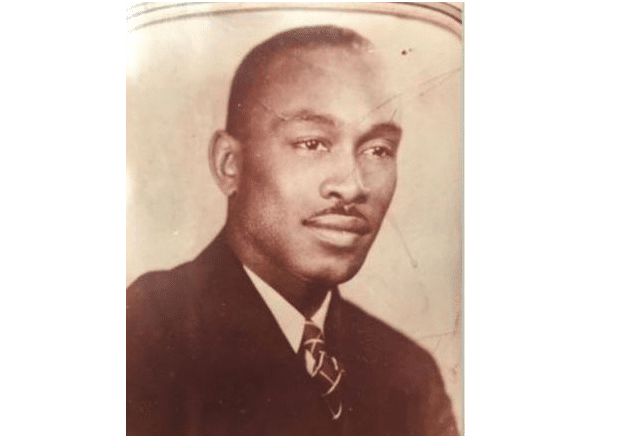
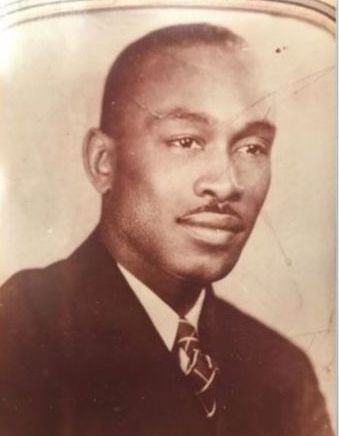
OGDEN – At the height — and heat — of the nation’s civil rights movement during the 1960s, Ogden Police Sergeant Marshall White succumbed to gunshot wounds incurred while trying to talk a 17-year-old out of firing his rifle during a neighborhood break-in.
White, a World War II veteran, father of seven and mentor to many, became Utah’s first black police officer to die in the line of duty. The tragic event occurred in October 1963. To honor him, a new community recreation center at 222 28th Street was dedicated in his name in 1968.
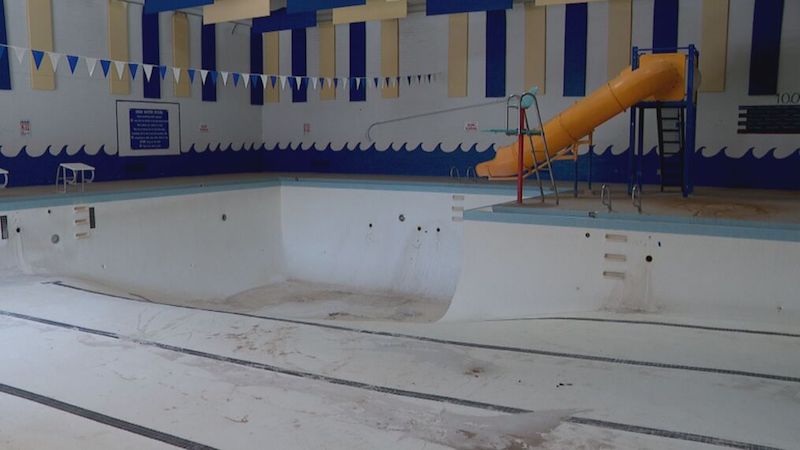
For decades, it served as a hub for low-income families and senior citizens to gather, exercise and socialize. To this day it continues to host events, classes and activities. But the center has also struggled due to years of budget cuts and deferred maintenance. By 2018, the facility’s well-used swimming pool had to shut down due to lack of repair.
Even so, current Ogden Mayor Mike Caldwell bristles at the notion that the Center has languished under his watch. “We put a $400,000 roof on it, a new futsal course, and there’s a brand new Jazz basketball court out there,” Caldwell said in a recent interview. He noted that in the last budget cycle “we allocated $5 million for improvements and renovation, and put a Marshall White advisory committee together because we didn’t want to throw darts in the dark.”
But community advocate Taylor Knuth-Bishop believes the situation is more dire than Caldwell wants to acknowledge, pointing to the lapse of four years without any plan to reopen the Center’s pool. “It has since been condemned,” Knuth-Bishop said by phone, dashing any hope that the pool might reopen in the existing building. “That’s the frustration.” The losses continued, Knuth-Bishop added. When Covid-19 hit in 2020, the Center’s weight room shut down amid concerns about surface transmission of the virus. Since then, Knuth-Bishop said the room’s floor buckled and the weight equipment was sold.
Growing up without Dad
Ron White, the sixth of Marshall White’s seven children, was six years old when his father died. “I really feel I didn’t get to spend enough time with him. I miss not growing up with him,” White said. But as a teen, the center bearing his dad’s name felt like a second home. “I loved playing basketball and related to my friends through basketball,” White said. “You could always go down there and get a good game going, especially on the weekends.”
Over the decades many working parents tapped it as a resource for their children to spend time until mom or dad got home from work. “It gives them peace of mind – and a little extra money in the pocket,” White said. As a member of the city’s MWC Advisory Committee, White hopes to honor his father’s sacrifice and courage. “He was a hero to me.”
Knuth-Bishop said his heart aches for kids who might not get those communal experiences. Growing up in Clearfield, he remembers how he and his brothers swam at the city’s public recreation center while his mom worked out on the fitness track.
“That facility kept my family together in some of the hardest times of my childhood. That’s why I think the Marshall White Center is so important,” Knuth-Bishop said. “It could be transformative for everybody in our community.”
Be it resolved
During the January 11th Ogden City Council meeting, members unanimously approved a joint non-binding resolution stating their intent to make MWC improvements a top priority and to keep the facility in its current location. But whether the renovated or replacement facility includes a new pool remains to be seen.
The administration also pledged to give monthly updates to the City Council, and the resolution projected April 2024 as the goal to launch construction. In the meantime, several funding and design questions need to be addressed, and the advisory committee plans to host a series of open houses to keep the public informed.
Marshall White Center supporters welcomed the resolution with a dose of skepticism.
Betty Sawyer, president of the Ogden NAACP, said they’d be holding the mayor and city council accountable for what happens moving forward. “While I’m encouraged, I’m still looking for you to show me where your commitment is when it comes to equity, inclusion, diversity and making sure that the health and wellness of Ogden is a priority,” Sawyer said. Ogden resident David Timmerman pushed to shorten the timeline by six months, shifting the construction date to late 2023.
Council Chair Ben Nadolski said the resolution serves as a start toward rebuilding trust between city officials and Center supporters: “We’ve taken a step in the right direction … and we need to continue to take these steps together.”
RELATED CONTENT
Trouble in Paradise: Ogden Valley Considers Its Water Use Future
History of Ogden’s 25th Street: Overcoming a Bad Rap
Dancing Moose Farm: Ogden Valley’s Premier Agritourism Destination
More Development Projects Coming to Ogden
Ogden’s Historic Buildings Stand The Test Of Time
Subscribe to Utah Stories weekly newsletter and get our stories directly to your inbox