In the News

Inland Port Ruling: Utah Supreme Court Says Utah State Legislature Can Usurp Salt Lake City’s Authority

Utah Supreme Court Says Utah State Legislature Can Usurp Salt Lake City’s Authority and give a green light to the inland port.

|


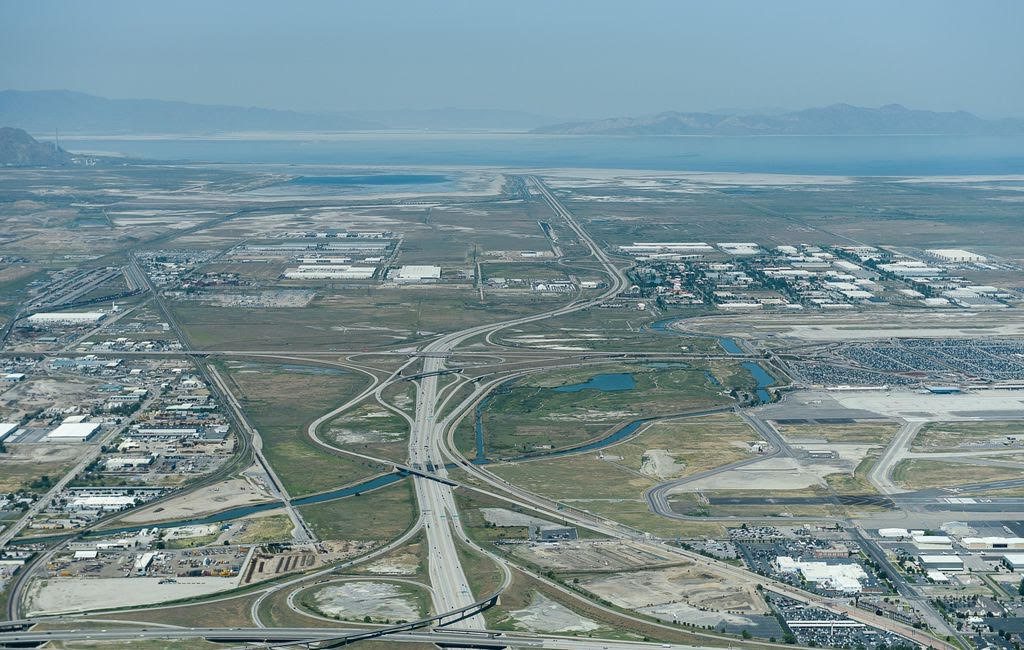
The Utah State Legislature determined four years ago that 16,000 acres of land in mostly Salt Lake County would be the best place for a massive inland port. The inland port initiative began over a decade ago when the Wasatch Front was seeking new economic opportunities to build our economic tax base and add high-paying jobs. But the picture since then has completely changed.

The Wasatch Front has seen skyrocketing growth, massive real estate price increases as well as a huge increase in cars, trucks, and semi-trucks on our roads and highways. Along with all of these additional vehicles, there has been a huge increase in pollution, to add to Salt Lake City’s already terrible air quality. 

Protests against the inland port became contentious in downtown Salt Lake City at the end of Mayor Jackie Biskupski’s term. Mayor Erin Mendenhall pledged to fight for Salt Lake City residents, especially those who are living on the west side so that their lives would not be adversely impacted by the decisions of a few elite state lawmakers and their cronies.

This ruling by the Utah State Supreme Court comes as a massive blow to all of those who have been fighting against the polluting inland port including guests Utah Stories has had on our podcast in recent years. 

Deeda Seed operates the “Stop the Polluting Port Coalition” she says that, “private industries are getting rich off of our tax dollars.” She pointed out an Amazon fulfillment center is paying $15 nearby. “This isn’t a livable wage.” and taxpayers should not be subsidizing Amazon.”

Further, the port puts tremendous pressure on the habitats of millions of migrating birds who stop at the Great Salt Lake to feed. The ecosystem along the shores of the Great Salt Lake depends on mosquito larvae. Millions of dollars of additional mosquito abatement insecticide are required to accommodate the staff working out at the inland port. This will undoubtedly have an adverse impact on the Great Salt Lake ecosystem.

Watch our interview with the “The Inland Port Yes Man” 


Watch our video on how the inland port increases the divide between the rich and the poor

RELATED CONTENT

Salt Lake City’s Inland Port: From Bad to Worse

Expert Interviews on Inland Port and Great Salt Lake

Why is The Inland Port Illegal?

New Utah State Prison and Inland Port

Inland Port Gets a Makeover: Executive Director Jack Hedge Addresses Major Concerns


SUBSCRIBE TO PRINT MAGAZINE


Subscribe to Utah Stories weekly newsletter and get our stories directly to your inbox

* indicates required


, , ,


Join our newsletter.
Stay informed.


  • Priced Out of Summer Fun? These Activities Cost Almost Nothing

    As summer approaches, many of us start looking for new ways to be active. Whether you’re emerging from a cozy winter of hibernation, or searching for a replacement for skiing and snowboarding, there are inexpensive and accessible ways to get outside, get active, and make the most of summer. 


  • The Armenian DNA Mystery No One Can Explain

    Joulhayan described ancient remains discovered near the Aras River, near Mount Ararat, where researchers reportedly compared ancient genetic samples with modern Armenians and found remarkable continuity stretching back thousands of years.
    “How could that be?” he asked. “Mongolians attacked. Turks. Persians. Romans. Greeks. Armenian DNA should have changed.”


  • Utah Wants Affordable Homes. So Why Did It Kill the Starter Home Bill?

    Utah leaders have spent years talking about affordable housing.

    Governor Spencer Cox has repeatedly emphasized the need for more attainable housing, with a goal of creating tens of thousands of starter homes priced below $300,000. Yet despite broad agreement that housing affordability remains one of the state’s biggest challenges, one proposal designed specifically to encourage the construction of smaller, more affordable single-family homes failed to advance during the most recent legislative session.

    The question raises an uncomfortable issue: if Utah agrees there is a shortage of starter homes, why are those homes still so difficult to build?

    According to attorney and real estate professional Asha Klarich, much of the debate comes down to how communities want to grow and who gets to make those decisions.

    House Bill 184, known as the Small Lots and Starter Homes Amendment, was intended to reduce regulatory barriers and allow smaller homes to be built on smaller lots. The proposal would have created a process for builders and homeowners to seek exceptions to local zoning requirements and construct homes on lots as small as roughly 5,400 square feet.

    The idea was straightforward. Smaller lots generally mean lower land costs. Lower land costs can translate into lower home prices.

    For many first-time buyers, that sounds far more appealing than another apartment building or densely packed townhome development.

    “I think most people would prefer a smaller home on a smaller lot than apartment-style living in a high-rise,” Klarich said during a recent discussion about housing legislation.

    The bill ultimately failed.

    Continue reading and support independent Utah journalism with a purchase of Utah Stories (Digital + Print) or 3 month free trial (Digital).


  • Fogo de Chão Salt Lake City Review: When Friendly Service Isn’t Enough

    The restaurant itself felt polished in that distinctly corporate way, where every detail seems carefully planned. We sat outside near a large fire feature on the patio while dance music drifted through the speakers and shoppers passed by. It felt lively, upscale, and relaxing for someone who had spent most of the day feeling unappreciated.