For any writer, getting published is a difficult proposition. Getting past the publishing gatekeepers can feel like an almost impossible task. But if you have a story you know is great, what other options are there?
Two Utah writers decided to go the self-publishing route.
Candace J Thomas and Jodi L. Milner both started out being published by small presses, but frustrations about not being in control of their own ideas and output sent them looking for alternatives.
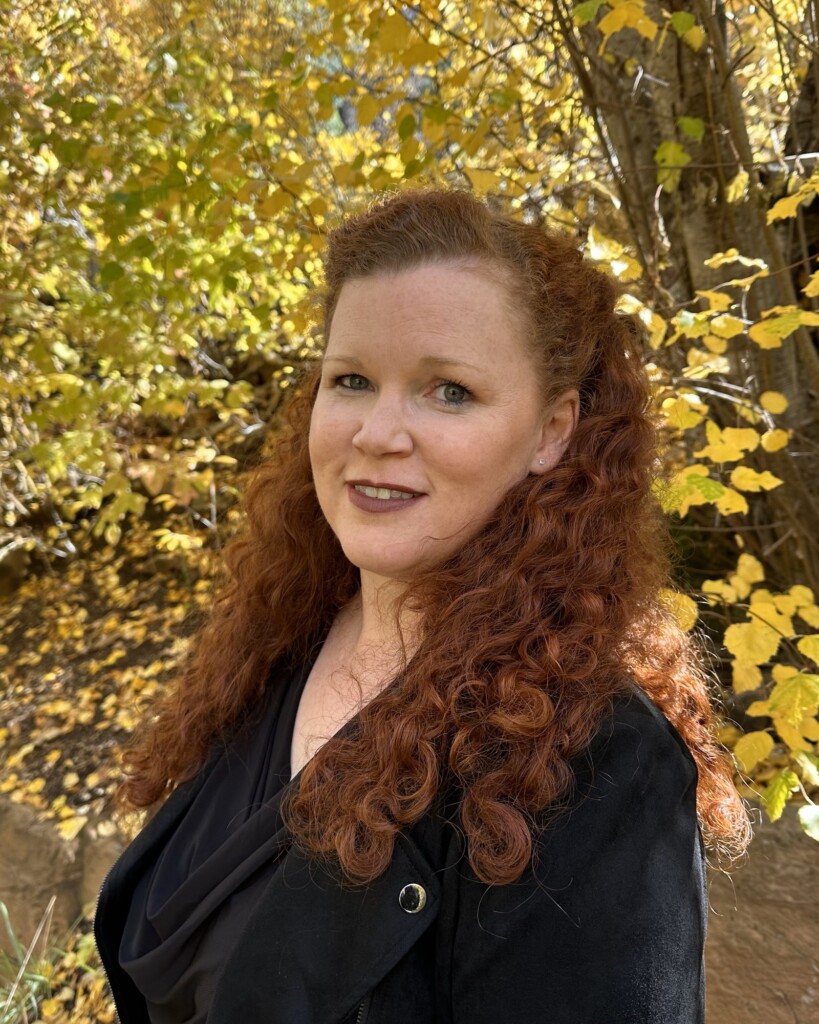
Jodi L. Milner
Jodi’s journey started in 2015, “when”, she says, ”I decided I was ready to put something out in the world.”
She submitted a short story to an anthology collection, and not only did the publisher love it, they featured it as the first story in the collection.
She had been writing since 2010 along with raising babies, and “juggling motherhood and sanity.” She wanted something that would bring her joy and fulfillment, and since she grew up loving books and reading, and having story ideas in mind, she started to write.
“I wrote the entire first draft and said to myself, ‘I’m an author now — Huzzah!’” Jodi recalls. But it turned out that the first draft wasn’t ready for the world. It needed some work, so she put it aside and moved on to something else.
In 2017, she started a search for an agent or publisher among the many small presses in Utah. The experience left her frustrated until she found a press called Immortal Works. It was a sign. “I had immortals in my book so I knew this was the publisher for me.” They signed a contract with her and promised to promote the book, but because they were a small press with a small staff, the burden of promotion fell back to her. That is when she decided to go out on her own.
“At the end of 2019, I knew I was going to ask for my rights back. I had the second book finished. She didn’t want to stay with her current publisher and couldn’t shop it to another publisher because of legal restrictions. So, in 2020, she re-released the first book with a new cover and some edits, and then released the second book in mid-2020, independently.
It was a rough time to release in the middle of the pandemic. There were no release parties, no FanX events, and no book conferences. The only way to promote was online, so many people were doing that and clamoring for attention. Jodi took it as an opportunity to dive in and learn more about self-publishing and promotion. She learned how to find readers, how to run advertisement group promotions to dozens of web sites that were eager to promote books to specific reader lists — but only if you paid them enough money.
The path to promotion is constantly changing. Sometimes Amazon advertising works great, but then it drops off. For a while, TikTok was really big, but it can be a time consumer. “I spent a lot of time creating content and not writing,” Jodi says. But ultimately, it’s the best way to produce another book.
Jodi believes in magic. The first year FanX opened back up, everyone came, and “buyers were so hungry to buy everything there.” Things have settled down since then, but it is still a great way to get seen and get people interested.
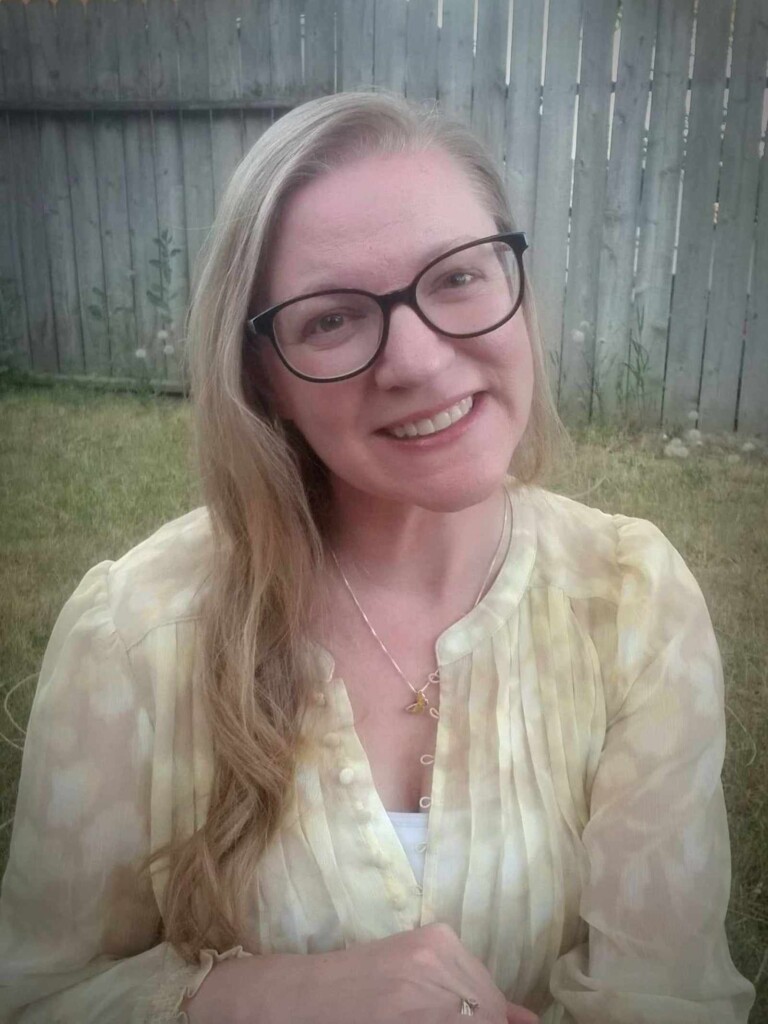
Candace J. Thomas
Candace followed a similar route. She originally published with a small press in 2013, and contracted for an entire series. She, too, ran into the same problems. “With a small press, you have to do everything on your own because they only focus on one project and one author at a time. I had a lot to learn about the industry.”
When her series was completed, Candace felt she had outgrown her publisher and attended the Independent Book Publishers Association’s yearly conference to find out if she was brave enough to take back her rights and go out on her own. The conference was in Austin, Texas. “It gave me the confidence I needed to take back my rights,” she says.
It was a bit of a struggle, even though the contract for her rights was up. The publishing company gave her some guilt by telling her the company would die without her. She felt that a proper ‘good luck on your journey’ would have been more appropriate. It took a full year to get everything republished and rebranded in 2018.
“I am super proud of my products and how everything turned out,” Candace says, “I spent a lot of time figuring out how to be successful and I’ve become a resource for other people interested in self publishing. I can help people and it’s really fun.”
Jodi and Candace met after attending the same self-publishing outlets and decided to partner up and start a podcast and share their new-found knowledge to help others take their own publishing journey.
Their podcast, Squirrel!, for the distracted writer, started this year in August, and posts every week on Mondays. It can be found on the usual platforms. Candace and Jodi are co-hosts and see the podcast as a way to support and send love to other writers.
Both Candace and Jodi offered a last word of advice for aspiring writers.
Candace says, “You have to build confidence that your stuff is good, and you can definitely do that through community. You can’t do it by yourself. A good writing group, to share ideas, or an editor, can help a writer form a polished product.”
Jodi adds, “For someone who is working to get a first book published, they have to weigh the pros and cons of independent publishing. It is a good idea to find a mentor who can walk them through the sticky spots, and there are lots of sticky spots. Everyone needs a cheerleader and I’ve been blessed to know people who offer amazing support. The Utah community doesn’t go for each other’s throats, but wants to help each other out.” She suggested the League of Utah Writers that has been going for 87 years as a good resource. “It is like finding instant buddies; you totally get each other.”
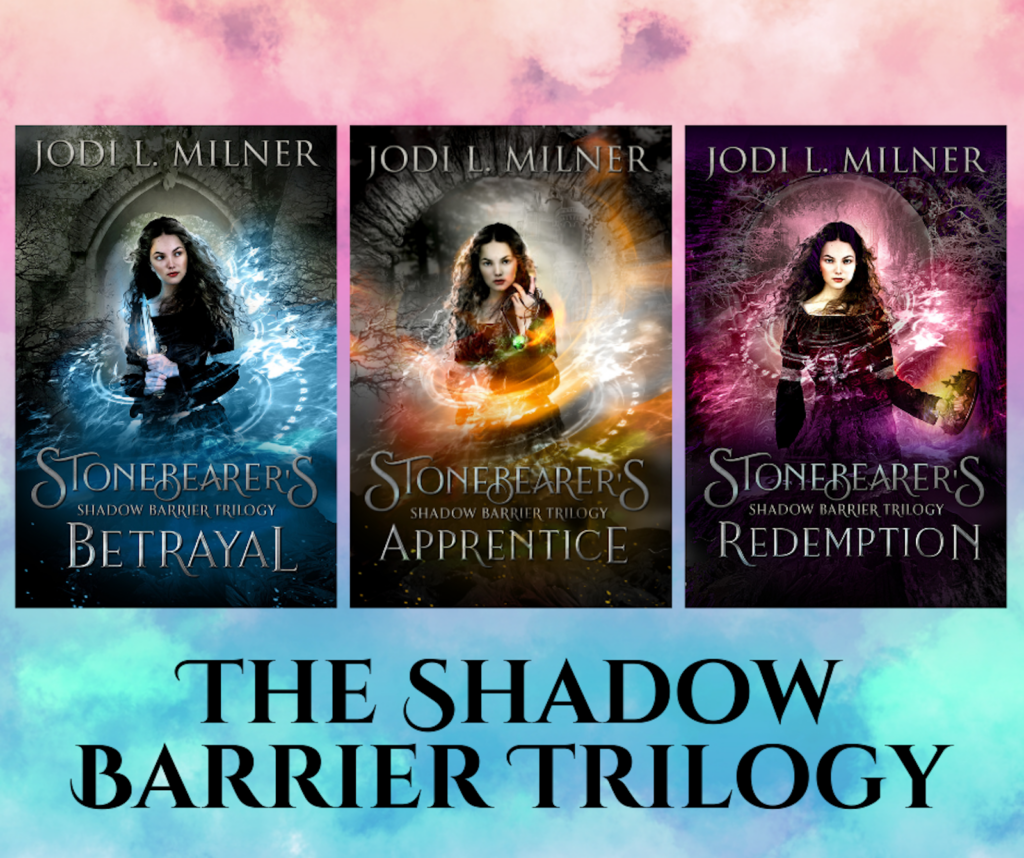
Jodi’s series is called the Shadow Barrier Trilogy, and includes these volumes:
Stonebearer’s Betrayal
Stonebearer’s Apprentice
Stonebearer’s Redemption

Candace’s series is called Vivatera under these titles:
Vivatera
Cojectrix
Everstar
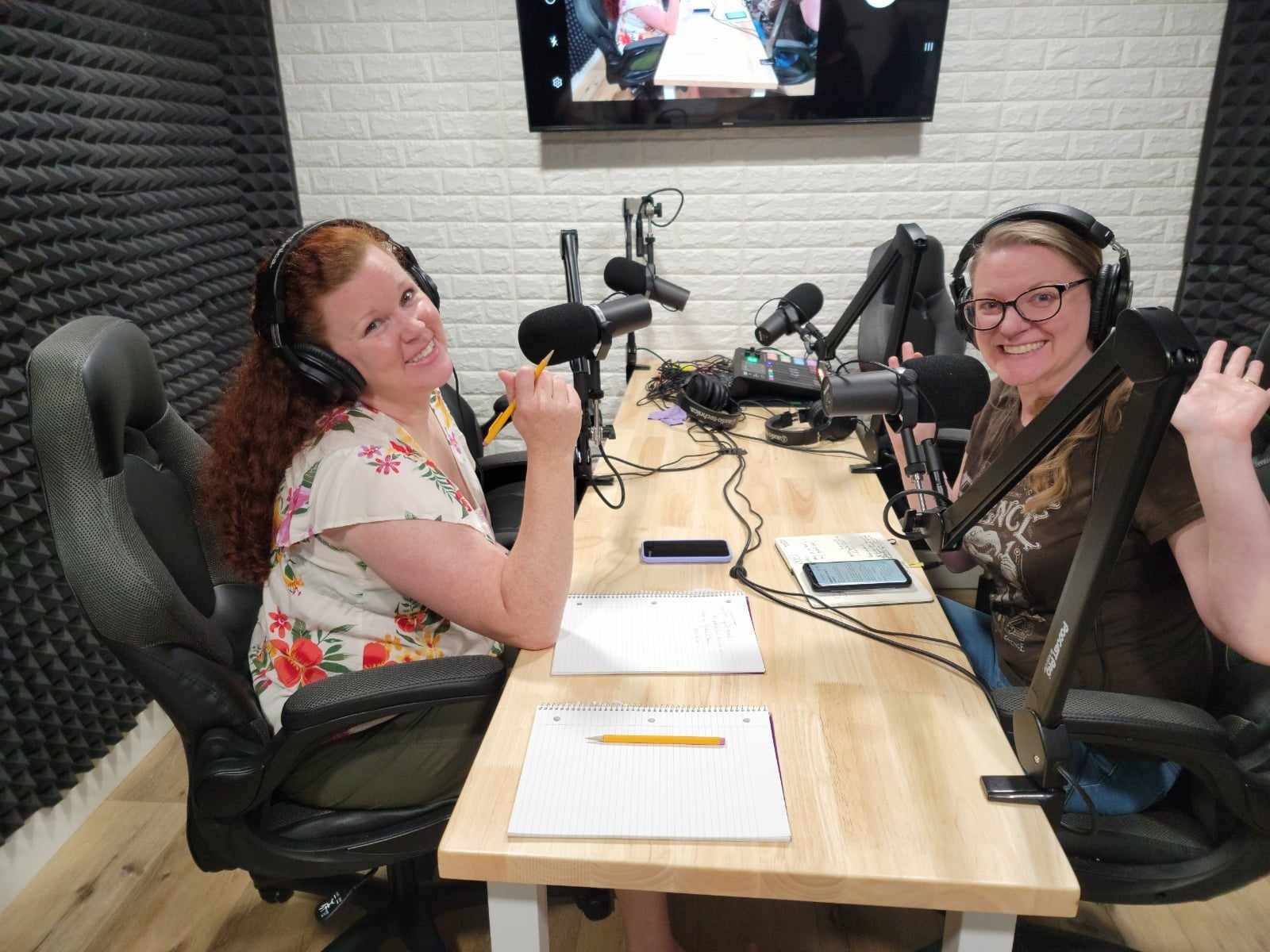
Feature Image: Jodi Milner and Candace Thomas at a recording of their podcast, Squirrel! Photos courtesy of Jodi Milner.