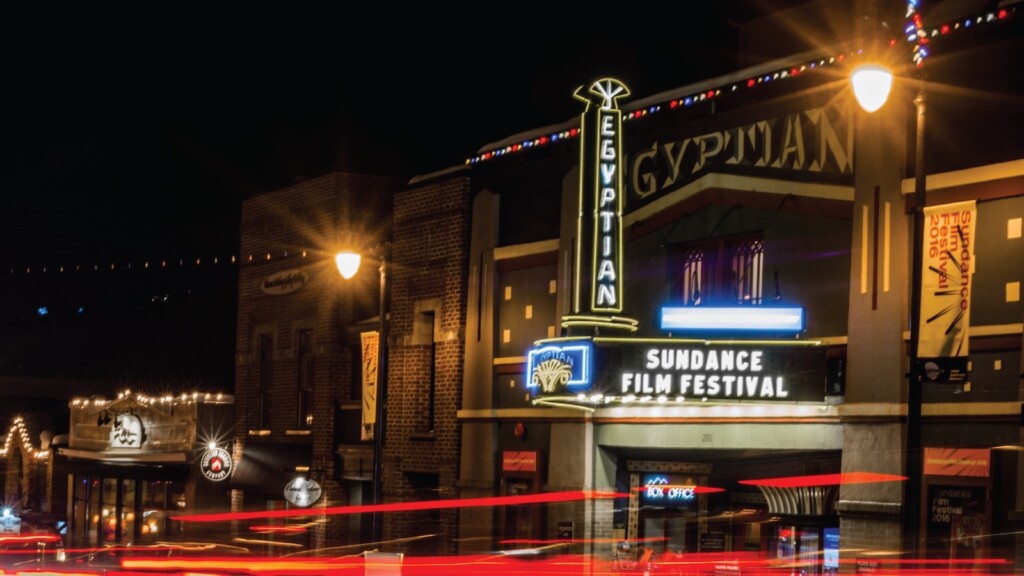
The Sundance Film Festival has been a staple of the fabric of Utah since 1985. Its founder, Robert Redford, made Utah his personal home and also established the Sundance Institute. He later sold his Sundance ski resort in 2020.
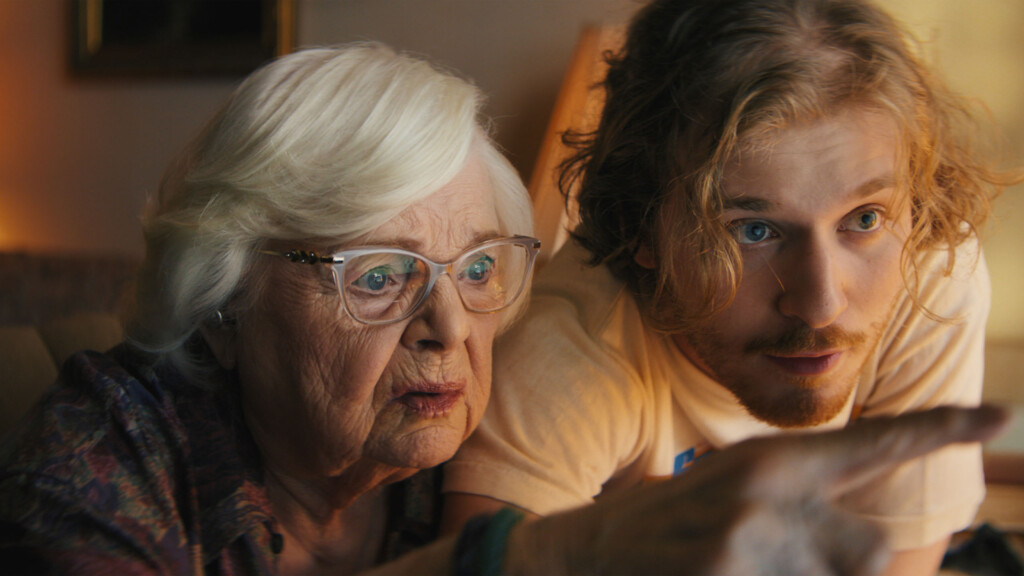
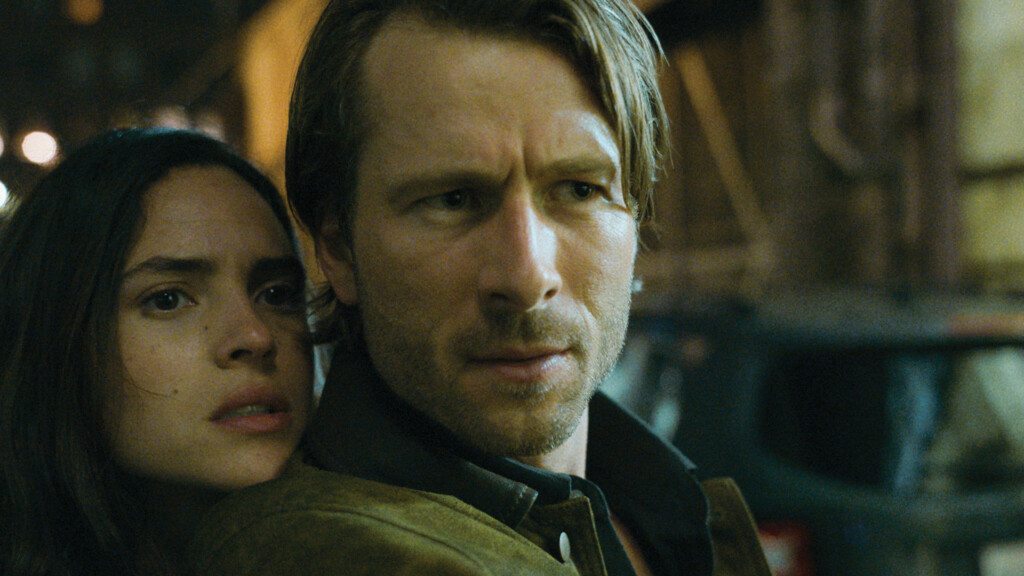
The Sundance Institute brings in an estimated $182 million into the Utah economy annually. Not only is it a more than economically viable pillar for the state, it has fostered new filmmakers that we know and love today. Quentin Tarantino (Pulp Fiction), Paul Thomas Anderson (Boogie Nights), Richard Linklater (Dazed and Confused), Ryan Coogler (Black Panther), Taiki Waititi (Jojo Rabbit), Lulu Wang (The Farewell), The Daniels (Everything Everywhere All At Once) and many more all got their start at the Sundance Institute.
There is some trepidation that exists among Utah residents that the institution that has called Utah home for 40 years is on its way out. The contract to keep the Sundance Film Festival runs out in 2026 and negotiations are currently underway to keep it in the Beehive State.
I was able to attend the Sundance Film Festival this year, and friends and colleagues love the location of Park City for the festival. It’s relatively remote from city life, gorgeous for tourists, and allows for skiing for the elites who come into town. Not only that, it greatly benefits the local shops, restaurants, and bars, which see a financial boom for 10 days in January each year. Others have different opinions. People who are just here to ski see Sundance as a nuisance, disrupting their experience with extra crowds, fuller buses and limited parking spaces.
I love Sundance. It provides an outlet for indie filmmakers in an ever-changing industry that sees the likes of Marvel Studios and sequels galore. Just this year, the biggest predicted winners at the box office are: Dune 2, Inside Out 2, Joker 2, Gladiator 2, Deadpool 3, Twisters, Bad Boys 4, Kingdom of the Planet of the Apes, and on and on. What happened to original storytelling? The Sundance Institute provides the pipeline that Hollywood so desperately needs.
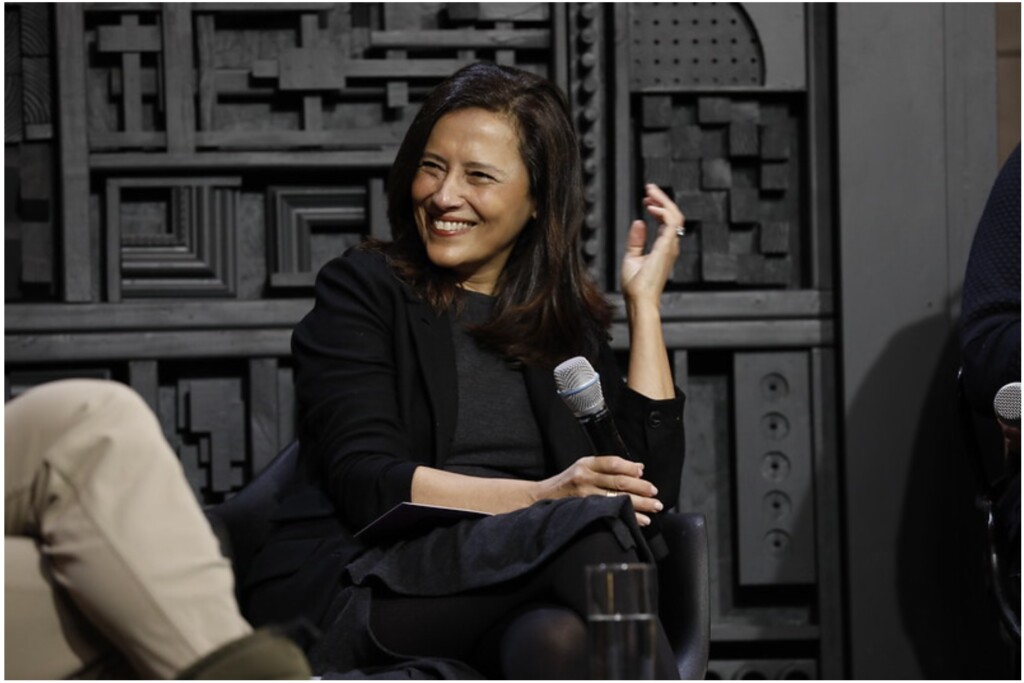
I attended a live recording of The Town (The Ringer Podcast Network) hosted by former Hollywood Reporter editorial director Matthew Belloni. Belloni has all of the insider scoops of the industry and even broke the news live on the podcast that Netflix’s Film Head, Scott Stuber, was stepping down from his role, a huge blow to the theatrical strategy for Netflix. Belloni’s guest was Sundance Institute CEO Joana Vicente. Vicente took on the new role just a few years ago, departing the Toronto International Film Festival.
Belloni pressed her with some tough questions and asked what was on everyone’s mind: Where is Sundance going to be after the current deal runs out? Belloni went on to ask, “What’s the status, what does the negotiation look like, and is there a chance that Sundance could leave Park City?”
Vicente answered with, “We’ve been here for 40 years. Park City is part of Sundance. It’s a beautiful location, it’s kind of remote, you can get immersed in the festival. There are challenges. Accessibility is a challenge. Cost is a challenge. We’ve been really excited about the programming that we’re doing in Salt Lake, and getting to a more diverse, younger audience.”
Belloni quips, “And Utah supports the festival?” Vicente responds, “They support the festival. There is a negotiation coming up. We’re also spending time doing a lot of strategic thinking. Where can we be most relevant? What is the role of the festival? What is the role of the institute? How do we evolve in an ever-changing industry? We love being here.”
Belloni asks, “Have you thought about another city? Maybe Austin, Texas or Whistler, British Columbia.” Vicente responds, “It’s hard to think of any other place than Park City. It’s just such a special, beautiful location.”
I left the event slightly more optimistic that Sundance will be staying in Utah, and by Vicente’s answer, it didn’t seem like lip service. Anecdotally, I’ve heard groups in Provo putting a coalition together to keep Sundance in Utah, even if it does leave Park City. Salt Lake City solves a lot of issues: Accessibility, transportation, parking, etc. We’ll know more soon, but for now the Sundance Film Festival will remain in Utah through 2026, and we’ll just have to hope the powers that be can agree to a deal, because it would be a shame to lose such a prominent institution. U