
The most basic and fundamental right we have is the protection of our environment and our health.
We, the citizens cannot allow corporations to work with the government to foul our air; dirty our water; cause irreparable harm and environmental damage to an area, and in the process make area residents unhealthy or sick. This right falls under the Equal Protection Clause of the Constitution of the United States. Further, it is illegal for state leaders to make decisions in a local jurisdiction that can cause harm to that population.
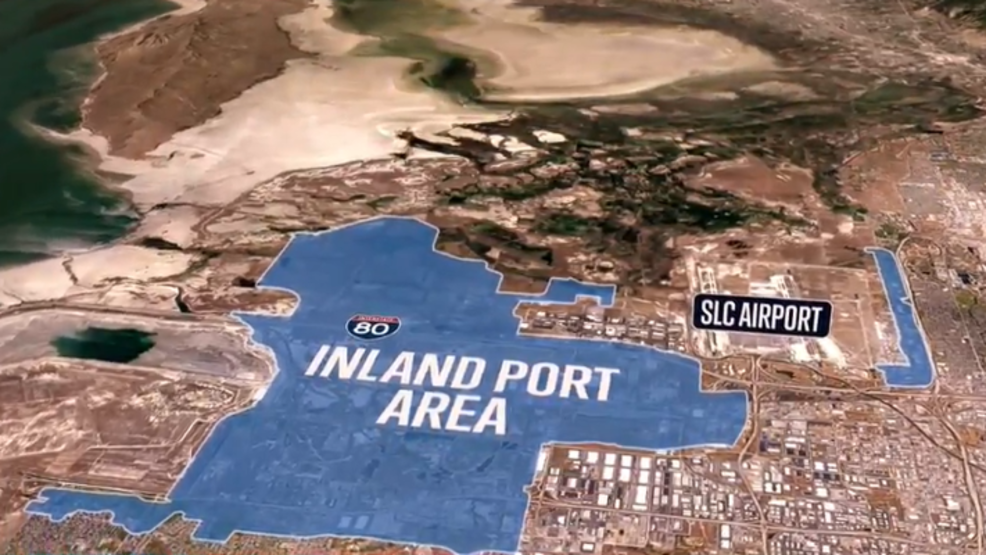
In other words: It’s both unconstitutional and illegal for the construction of the inland port to be approved by our state leaders when the land in which they are operating should be under the jurisdiction and control of Salt Lake City leaders and Salt Lake City residents.
Despite these basic facts, when this case was brought to court a judge voted in favor of the State over the City. This lawsuit was initially filed by former outgoing Mayor Jackie Biskupski. This decision needs to be appealed and the matter should go before our State Supreme Court. Why does this matter?
[Total_Soft_Gallery_Video id=”2″]
The inland port will require a massive amount of mosquito abatement to be viable. The Great Salt Lake wetlands have the largest population of mosquitos west of the Mississippi.
We may think, nobody likes mosquitos, So why not wipe them out? Wiping out mosquitos would have a devastating effect on birds.
The Great Salt Lake is the host of millions of migratory birds every year, these birds rely on mosquito larvae to feed. Swallows and bats rely on these larvae year-round. Eagles also inhabit the area and they rely on the swallows. The entire ecosystem of the Great Salt Lake needs mosquitos.
Nobody is going to stand up for the mosquitos, but the abatement chemicals can cause a great deal of damage to the human body, according to Dr. Bryan Moench of Utah Physicians for a Healthy Environment.
This issue needs to be addressed by our Mayor and the City Council, for the benefit of Salt Lake City residents who want to protect the environment and their health.
The entire idea of the inland port was hatched over a decade ago when it seemed state leaders were doing everything in their power to grow Utah’s economy. Nobody in our state is really concerned about more economic growth especially if it comes at the further expense of our health and environment. We don’t need more semi-trucks, planes, and traffic. We don’t need any more economic boosting that will further deteriorate our air quality and our health. Nobody wants this besides a very few corporations and their political cronies who see that they can become rich by controlling this land and the area around it.
BACK TO: THE STORIES THE MAINSTREAM MEDIA DOESN’T WANT YOU TO KNOW
WATCH THE VIDEO:
LISTEN TO THE PODCAST: