Healthy Utah

Letter from the Editor – December 

We can welcome growth and population increases along the Wasatch Front. If I lived in LA, I would want to move here too. But we need to prevent the Californication of Utah by finding smarter solutions. Listen to Carl Fisher from Save our Canyons and Brian Moench from Physicians for a Healthy Environment on the…

|


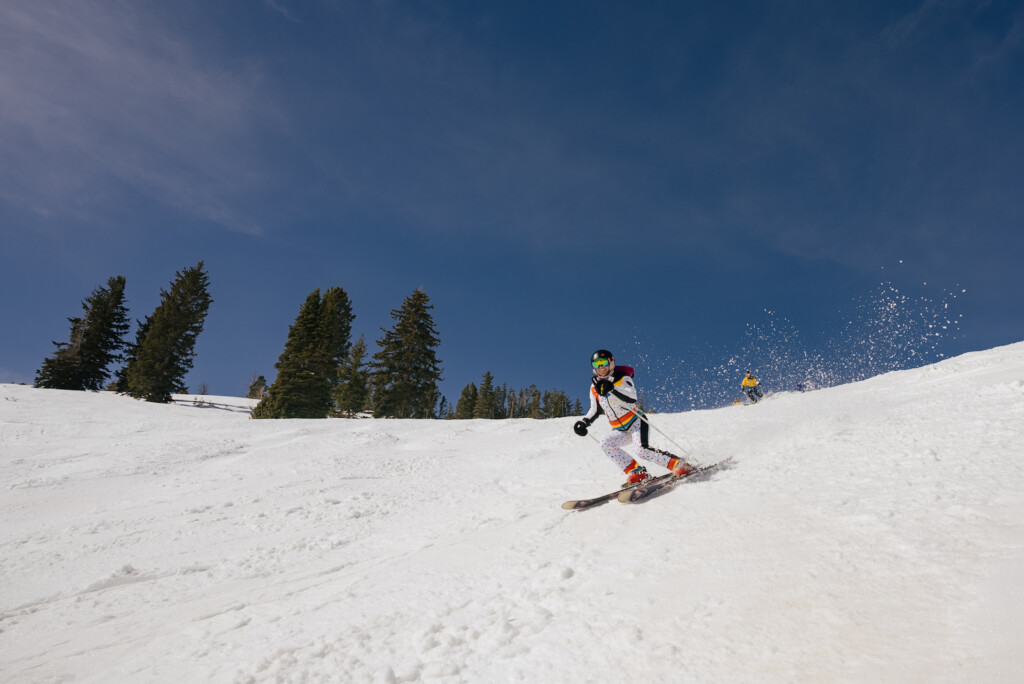
Big Cottonwood Canyon by Dung Hoang – shaolinfury.com/

We find ourselves in the best of times and the worst of times in Utah. Droves of people are moving here and want to experience the same quality of life we have enjoyed here for decades: mountain access, diverse ecosystems still intact, and peace and tranquility with many access points to direct connections with nature.

Unfortunately, this isn’t possible. For every measure our political leaders take to accommodate more people they sacrifice the very quality that makes these places special. And for every political decision that is made to “reduce traffic” or “expand economic opportunity,” the unintended consequences further deteriorate the uniqueness of our wilderness and ecosystems.

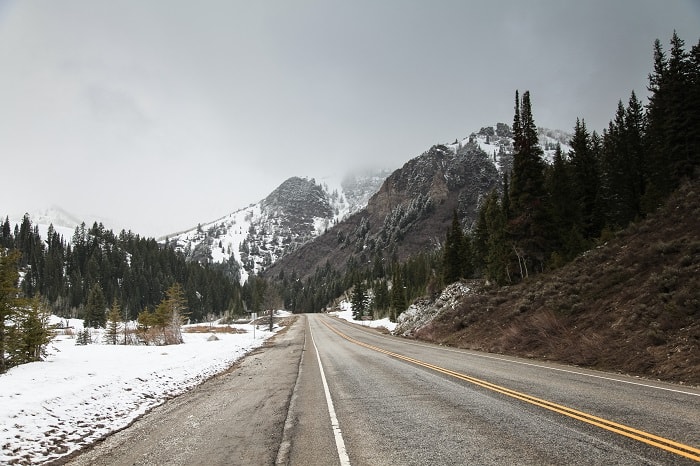
Two clear examples are the Inland Port, which in its current form will undoubtedly cause extreme harm to the ecology of the Great Salt Lake and further pollute our airshed. And the widening of Little Cottonwood Canyon, which will accommodate hundreds of additional cars in the canyon by building a mini-freeway.

This canyon road leads to arguably the steepest and deepest terrain and powder on earth. It’s one of the most special places in the Western United States, and UDOT is handling the problem as if this canyon road leads to a Walmart. They want to solve the problem by widening the road and adding additional parking. At best there is a clear absence of public discussion, but it seems more likely there are deliberate forces driving these idiotic solutions–special interests and greed. These are clearly the wrong “solutions”. But it seems there aren’t enough people even paying attention.

The greater problem we face is general apathy. The local media is not getting the word out and not enough people are paying attention. The “big stories” are about Trump, “collusion” “quid pro quo” car crashes and celebrities, really? No, the big story is that in the next five to ten years we might see the Wasatch Front morph into something that resembles Los Angeles. How do we prevent this?

We need local journalism, we need to hold leaders accountable, we need to investigate the power of special interest, and we need to put the power back in the hands of the people. Easier said than done. Let’s Save our Canyons, Let’s Protect our wilderness. Let’s talk about and take action to preserve what we have here.

We can welcome growth and population increases along the Wasatch Front. If I lived in LA, I would want to move here too. But we need to prevent the Californication of Utah by finding smarter solutions. Listen to Carl Fisher from Save our Canyons and Brian Moench from Physicians for a Healthy Environment on the Utah Stories podcast to learn more.


, ,


Join our newsletter.
Stay informed.


  • Off the Grid: Four Days in Cataract Canyon

    Far from screens and city noise, a four-day river expedition through Cataract Canyon becomes a journey into silence, deep time, and shared consciousness. Among ancient rock layers and star-filled skies, we rediscover what it means to live with purpose and presence in a distracted world.


  • Utah Farm Animal Rescue: Sixteen Years of Saving Abused Animals

    For sixteen years, a small ranch in West Jordan has given abused farm animals a place to recover and start over. Horses, alpacas, goats, and countless others arrive in rough shape, but with steady care they regain trust and health. What began as one man’s effort to stop animals from being put down has grown into a rescue that also helps people who need a purpose or a place to feel connected.


  • Chronic Disease in America: Treating Too Late, Prescribing Too Much

    Every January, Americans reflect on the year behind them and draft a familiar list of resolutions. Eat better. Lose weight. Exercise more. Reduce stress. These intentions recur not because people lack discipline, but because the underlying health conditions driving them persist.

    Despite unprecedented medical spending and pharmaceutical access, the United States remains chronically unhealthy. According to the Centers for Disease Control and Prevention, more than 76 percent of US adults live with at least one chronic condition, and over 51 percent live with two or more. The most prevalent conditions are well documented. Heart disease remains the leading cause of death, accounting for 680,981 deaths in 2023, while obesity affects more than 40 percent of US adults. Diabetes impacts 38.4 million Americans, and nearly half of adults have hypertension, a major contributor to stroke, kidney failure, and heart disease.

    Treatment typically begins once disease is clinically apparent, and often relies on pharmaceuticals. Over time, this approach can lead to polypharmacy, the use of five or more medications. Patients with chronic illness frequently average two to four comorbidities, each managed independently, increasing the likelihood that side effects from one medication require another.

    To access this post, you must purchase Utah Stories (Digital + Print) or 3 month free trial (Digital).


  • Why We’re Less Healthy Than Our Parents and What Happened

    Something has gone wrong with our health. Each generation appears sicker than the one before, despite spending more on medicine than any society in history. At the same time, trust in once-authoritative sources of health guidance has eroded as pharmaceutical advertising increasingly blurs the line between reporting and recommendation. This piece examines how lifestyle, food, and institutional incentives reshaped our understanding of health—and why reclaiming it may require more courage than another prescription.

    To access this post, you must purchase Utah Stories (Digital + Print) or 3 month free trial (Digital).