Big Development Continues in the Beehive State’s Capitol
The pandemic marked a significant turning point for Salt Lake City, spurring a wave of new developments. According to the most recent census data, Salt Lake City’s population grew by 10.5% from 2010 to 2020, making it one of the fastest-growing cities in the country. This growth underscores the need for thoughtful urban planning and development.
Changes to SLC’s skyline have come rapidly, with a need to fix the affordable housing crisis and serve citizens for decades to come in an unknown and changing world.
Many worry that development in Salt Lake is pushing out local businesses, either through a lack of available space, or a lack of affordable rent. Ken Sanders Rare Books, a local legend in Salt Lake City, was a business directly affected by downtown development. In 2021, Ken Sanders Rare Books announced it was moving to The Leonardo Museum due to development pressures that forced them to relocate. Ken Sanders shared his thoughts on the city’s development.
“I think our city should take care of its citizens, including the homeless, the poor, and our own homegrown small businesses,” Sanders told Utah Stories. “Build affordable housing and fix the potholes. Let the billionaires and millionaires pay for their own playgrounds and pleasure houses.”
The West Quarter
The West Quarter is a significant mixed-use development in downtown Salt Lake City, located between 200 West and 300 West, bordered by 100 South and 200 South. This area is being transformed with residential units, hotels, dining options, and midblock walkways designed to enhance pedestrian connectivity. Notable components include the Le Meridien and Element hotels, which will attract tourists and offer upscale accommodations.
As part of this transformation, the city is also honoring the cultural and historical significance of Japantown. The redevelopment plans aim to preserve and revitalize this historic area, including landmarks like the Salt Lake Buddhist Temple and the Japanese Church of Christ.
The West Quarter development has integrated design changes to respect and celebrate the legacy of Japantown, ensuring that this important part of the city’s heritage is recognized and incorporated into the future of downtown. However, many worry it’s too little, too late. The majority of Japantown was demolished in the 1960s during urban renewal projects, significantly altering the landscape of this once vibrant community.
“Salt Lake City’s relationship with the local Japanese American community spans decades. Most recently, our Redevelopment Agency (RDA) has been working closely with the Japanese American community to preserve, restore, and revitalize Japantown Street,” said Andrew Wittenberg, a spokesperson for the Salt Lake City Mayor’s Office. “This includes facilitating conversations between Japantown representatives and area stakeholders to mitigate potential impacts of the West Quarter development.”
Located in the Granary District, The Silos is a mixed-use neighborhood development planned to feature mid-rise apartments, retail spaces, and significant green spaces, including the central Silo Park. The project aims to preserve the industrial heritage of the area while providing modern amenities. Developers promise a unique blend of old and new, featuring towering structures from the past juxtaposed with sleek, modern buildings.
Downtown Salt Lake City
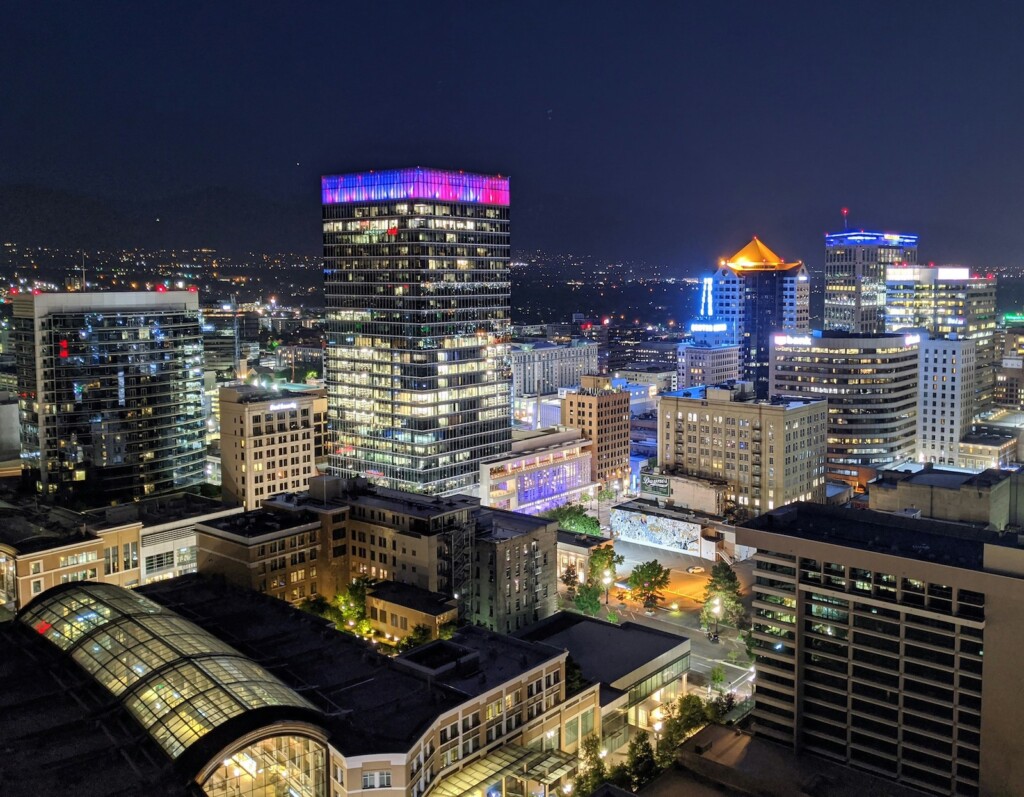
Downtown Salt Lake City is also witnessing a boom in high-rise construction. New buildings, some reaching up to 37 stories, are being developed in the city’s core. This includes residential, commercial, and mixed-use buildings, dramatically altering the cityscape. Recent examples include the Astra Tower, which at 450 feet and 40 floors will become the tallest building in Utah, and the Hyatt Regency Salt Lake City, a hotel featuring 700 rooms and suites, multiple dining options, and a rooftop terrace.
Recently opened, the Post District is another major mixed-use development offering 580 dwellings, luxury amenities, and public spaces. This initiative is part of a larger effort to rejuvenate the Granary District, which is becoming a hub for new developments due to its proximity to the city center. While this development contributes to the area’s revitalization, it’s essential to consider how it affects long-standing local businesses and residents.
The South Temple Tower is being converted from a class B office building into 221 luxury residential units. This project reflects the trend of repurposing existing structures to meet the growing demand for urban living spaces. While repurposing buildings is a sustainable practice, it often leads to increased property values, raising concerns about the availability of affordable housing.
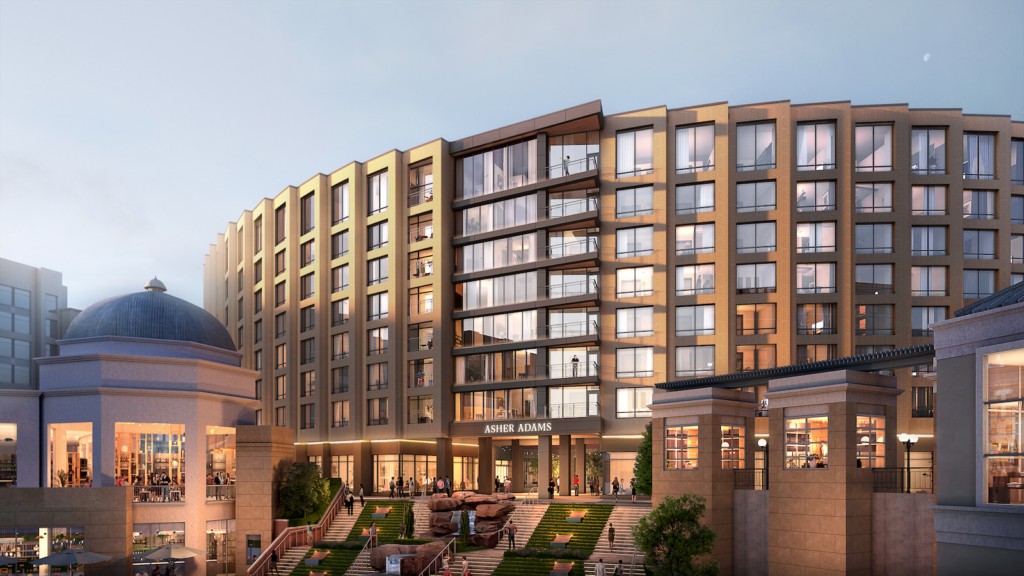
The Asher Adams Hotel, part of Marriott’s Autograph Collection, is an adaptive reuse project transforming the historic Union Pacific Depot in downtown Salt Lake City. The development will feature 225 guest rooms, including 13 specialty suites, and four unique food and beverage outlets. It will also include 9,600 square feet of meeting space, a junior ballroom, a coffee shop, and multiple bars. Residents can stroll through the Union Station Terminal, where the rich history of Union Station meets contemporary design.
“Asher Adams is an adaptive reuse of the historic Union Pacific Depot Train Station, which first opened in 1909,” said Niels Vuijsters, the general manager of the hotel. “The boutique luxury hotel will feature Rouser signature restaurant, Counterpart patisserie and market, Little Nugget lobby lounge, and General Baggage specialty bar located on the second floor of the Union Pacific building that will enjoy expansive views of downtown and the Wasatch Mountains.”
Economic Impact
The economic impact of new hotels and developments is substantial, contributing to increased tourism and job creation. Visit Salt Lake reports that tourism brings millions of dollars to the local economy, highlighting the importance of these developments in sustaining economic growth.
As downtown Salt Lake City continues to grow, these projects are vital in shaping the city’s economic future, but it’s important that they’re done right. Salt Lake City and Utah residents deserve for these developments to work for them too, not just for investment firms and developers. Ensuring that these projects address the needs of the community, including affordable housing and sustainable practices, is crucial for the city’s long-term success.
Ken Sanders’ words highlight the need for development that benefits all community members, ensuring that Salt Lake City’s growth is inclusive and sustainable. Quoting Edward Abbey, he said, “Growth for the sake of growth is the ideology of the cancer cell.”
Feature Image: Photo by Tanner Crockett on Unsplash.