Now married 75 years, Don and Shirley Ann of Ephraim, Utah met while on a hike. “Was it love at first sight,” I asked? They both grinned as they looked at each other.
Don spent a significant amount of time at Aspen Grove Scouts, and just like a storybook romance, they happened upon each other on an old dirt trail as he hiked along toward Wild Woods Camp. Along came a group of girls, and the rest, as they say, is history.
Shirley Ann loved to hike and be outdoors so it seemed it was a match made in heaven. But, as the saying goes, thunderstorms are made there too. Not for this couple, though. When asked if they ever fight, they just laughed and responded with a mutual “No, there is nothing to fight about.”
Celebrating a lasting romance after three or four decades, let alone seven is an achievement — especially when current divorce rates stack up at a 50% failure rate. So what’s the secret to a long and happy life together?
I interviewed three couples to ask what keeps the love alive, and of course I asked about romance, too. All three couples married 40, 50, and 75 years respectively, told me it takes work and a daily commitment to keep the love alive.
I cleaned houses to put myself through college. I remember one family in particular because of the love notes I found. Every week I would find their house in disarray, but in the midst of it all they chose to continue to make a commitment to one another. I would be cleaning and putting something away in the cupboard, only to find little notes that read, “I CHOOSE YOU!” among other, more risque notes, and some just reminding the other that “You’ve got this.” It seemed so simple. Was that their secret to romance? I needed to know.
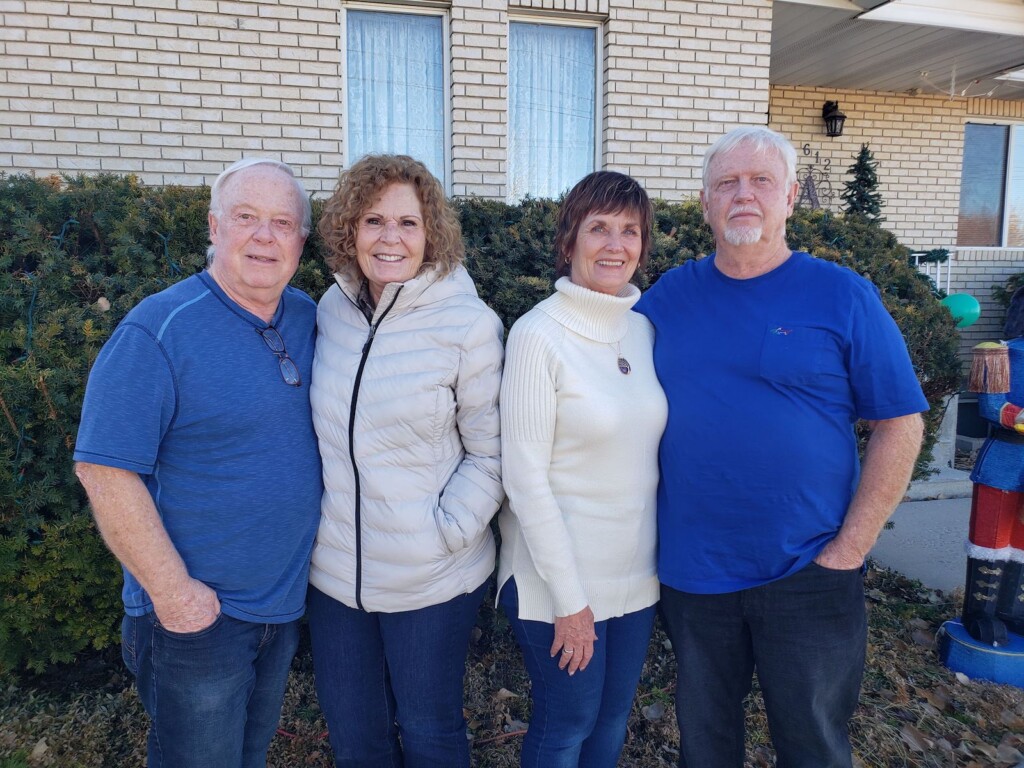
When asked, Brad and Deena Anderson of St. George, Utah, married 40 years, replied, “It’s not just about date nights and grand gestures; it’s about effort. It’s about communication and commitment.”
Brad’s brother Jeff, also of Ephraim, was married 50 years in February to the love of his life, Vickie. Both explained that romance is something that can wear off. In order to have true romance, you have to have a complete and intimate understanding of one another.
“It’s important to remember that as you grow as an individual, you are also growing together as a couple,” Jeff said.
In the playbook of a long-lasting marriage, honest and straightforward communication is a cornerstone. As time passes, it’s vital to share dreams, fears, and the everyday stuff. When asked about the rules for a long term marriage, Don and Shirley Ann stated very firmly, “Don’t say the “D” word”
The Anderson brothers agreed. In a world of starter marriages, if you give up early on, you’ll never really know what true long-term intimacy and romance really is, they said.
“You have to carve out time for one another,” Deena mentioned. “Time for a weekend getaway, or a sporadic date night. Spending time together reinforces the bond and reminds us of the joy we find in each other’s company.”
Romance isn’t just about grand gestures. Surprising your partner with thoughtful gestures, expressing gratitude, and maintaining physical intimacy are the real keys to keeping the flame alive. Keep finding new ways to keep the spark going and prioritize both the emotional and physical aspects of your relationship.
While the marital bond is essential, so is maintaining your individual identities. Encouraging and supporting each other’s personal interests fosters growth and fulfillment outside the marriage.
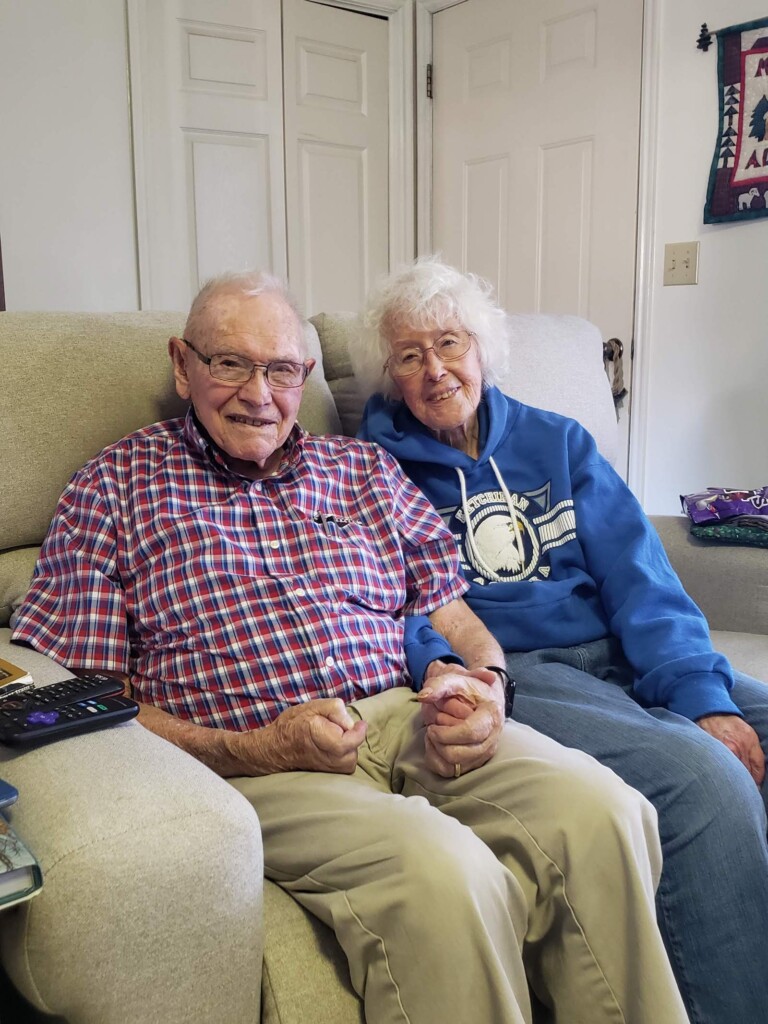
Don and Shirley Ann both worked outside the home while raising their four children and 20 grandchildren and now almost 40 great-grandchildren. They put each other through school and encouraged one another to continue to grow individually.
Don earned his Ph.D from the University of Utah in Limnology, and a Master’s from Utah State in Fisheries. Shirley Ann earned her Master of Education from the University of Utah and taught 5th grade while the children were young. Later, she returned to school and earned her Masters of Fine Arts degree and has a passion for wood carving.
Vickie explained how important it is to express gratitude for the qualities you love in your partner.
“Jeff worked at the pharmacy six days a week so that I could stay home and raise the kids.” It’s things like this that go a long way in long-term relationships. “He isn’t able to travel by air and so I am really grateful that he is okay that I go on adventures with my sisters or kids.”
Long-term marriages are a marathon, not a sprint, and in order to run a marathon you have to train, laugh, and be able to laugh at yourself. Brad brings humor to the table on a daily basis even in the midst of challenging life decisions.
After visiting with these couples, I realized that the gushy romance that comes to mind isn’t the same romance that is there after decades of friendship. That romance is a much more prized possession. Communicate always, spend quality time together, adaptation to change is a must, and don’t quit doing the things you love to do together.
“Don’t jump into ideas without thinking about both sides of the relationship, and talk about it with each other,” said Shirley Ann. These are the keys to keeping the flame of romance — long term romance — alive and well in marriages that have stood the test of time. And remember, don’t say the “D” word.
Feature image: by Timo Stren/Unsplash