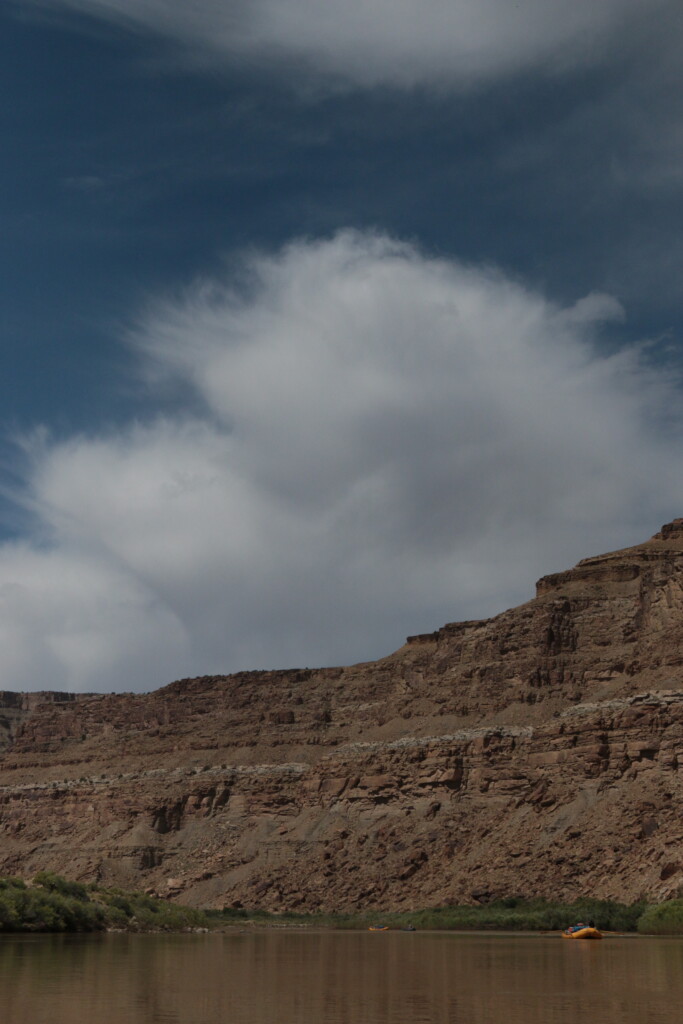
The water and waves on a wild river put a man’s heart at peace. But could it also put a woman and a child’s heart at peace?
After my wife bailed out on the idea of floating down the Green River for five days with Sheri Griffith River Expeditions, I invited my brother and his twelve-year-old son Benji to join me and my eight-year-old, Tommy.
Would this be fun? Or would it be like putting a piranha in a goldfish pond? My kid has “behavior problems”. He doesn’t like to mind adults. My wife wants to offer “old-school techniques” to manage these problems. She is well-acquainted with thes, having been raised in Bosnia — which happens to be something like the capital of old-school traditions in raising children. If you aren’t acquainted with what “old-school” methods are, just ask your grandparents, or even your parents.
We don’t use “old-school” on Tommy; we use new-school techniques and highly-developed psychological training from the great schools of Carl Rogers, Abraham Maslow and Jean Paget. In fact, we have reached the apogee of child behavioral psychology to handle Tommy’s behavioral issues and we have seen some results!
We can say that Tommy used to almost never mind; now he minds when he feels like it, or if the consequence suits him. But back to the river …
Would I enjoy this trip with Tommy? Could he behave with all of these new people? Probably better stated: Please God, will you help Tommy to obey? We were all about to find out.
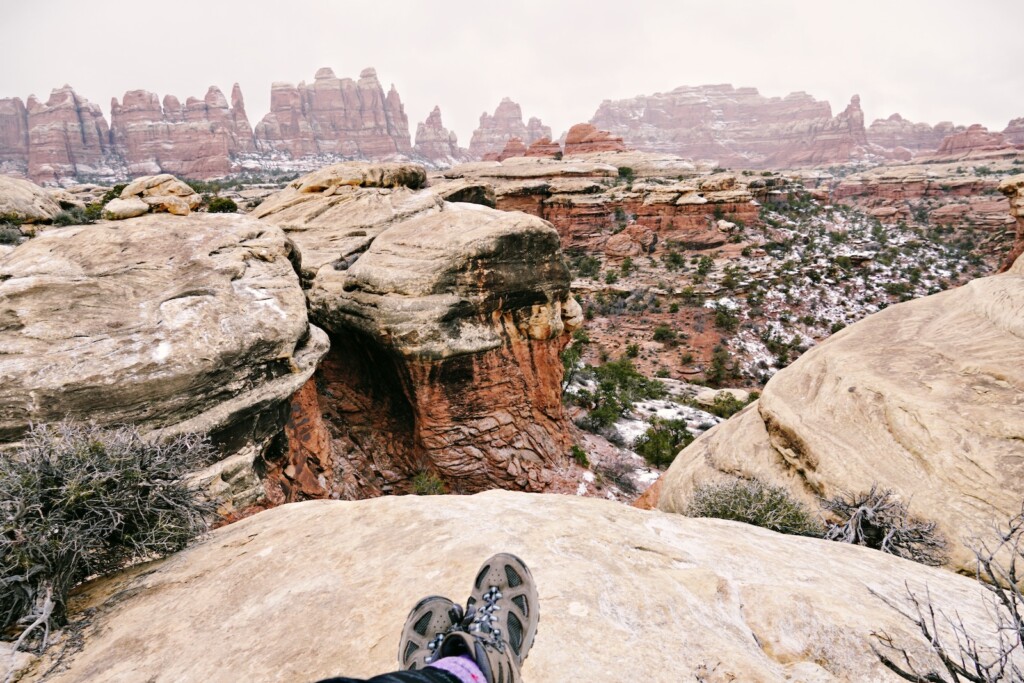
The boats were launched after a short plane ride in a six-seater Cessna down the gorge and canyon of the river we were about to travel. The meandering serpent of a river and its canyon has an appropriate name. Below us were thousands of acres of desolation: empty wilderness, mostly craggy cliffs, pouring boulders into a sea of sagebrush and bristlecone pine. But closer to the water there was an entirely different ecology: overhanging cottonwoods, tamarisk and small canyons with boggy threshes and cattails — and so much wildlife!
The trilling birds in the boggy areas produced a variety of songs, yet they maintained a chorus rather than a cacophony. With wild calls of life unfettered from man’s dominion, this place was a domain that will far outlast our silly efforts to control, manipulate and monetize it.
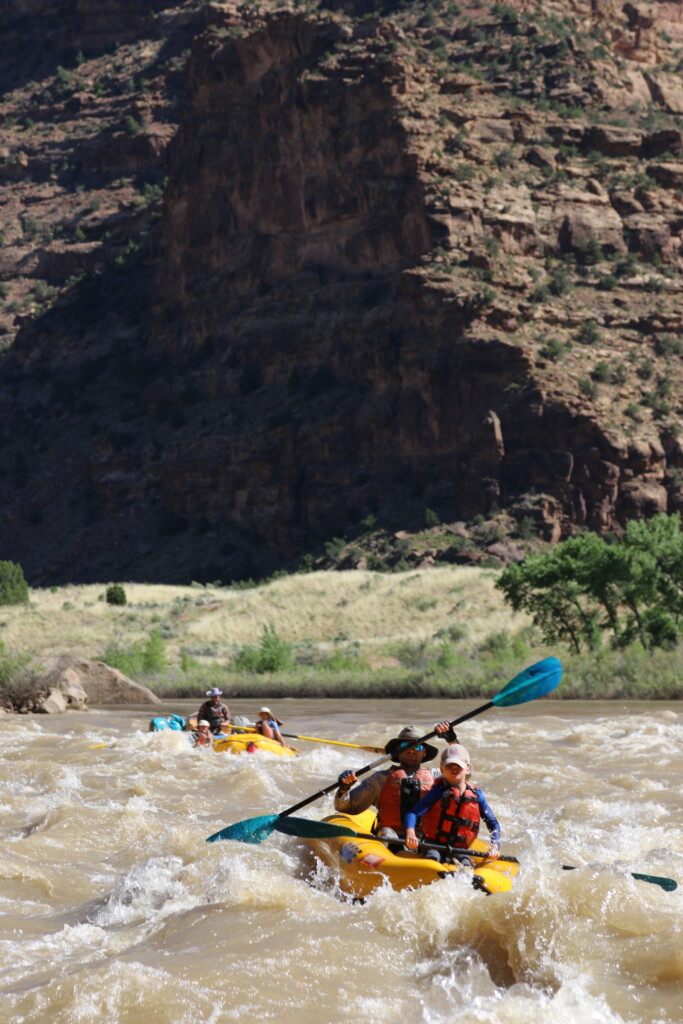
Upon launching, Tommy behaves. He’s wearing his life vest or PPE. He’s smiling. He’s charming everyone. As are my brother and his son, as are all the passengers. It’s very difficult to watch curious wild horses on the shore lapping water as we float by without smiling or being intrigued by such majestic wild creatures. But like the antelope herd we witnessed running in sync, they somehow know we are a threat, and they gallop off in a hurry.
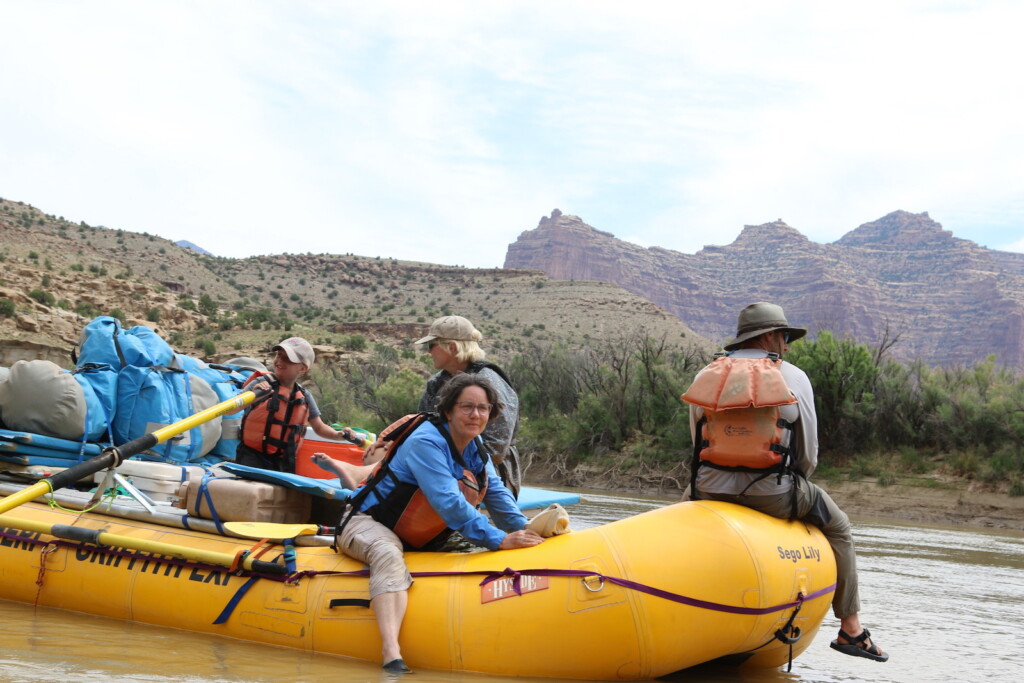
We motor along on this day because the water is flat, and the kids play with massive water rockets. Time stands still, but moves quickly at the same time. This description doesn’t make sense unless you have been on a river trip, enraptured by the moment and the scenic expanse. One feels truly alive as thoughts and worries slowly vanish into a lazy eddy, pulled into the deep and dark insignificance below the water.
About the water: they call it the Green River, and sometimes it is, but most of the time it’s a reddish-brown. It carries a lot of silt down to its confluence with the Colorado, and the river is running high and fast this year — around 40 CFS (cubic feet per second). It was running at 63 CFS a month ago, but it hasn’t run higher than 36 CFS in the past decade. Of course, this is great news for our current “Mega Drought” conditions.
The thirsty land has received a nice drink. And the nearly empty reservoirs — Powell and Meade — will be able to power and hydrate our Great Basin kingdom electrical grid once again.
But to ride on this massive artery — to be even a tiny spec floating through one of the greatest most important river systems in the world — powering and hydrating Las Vegas, Phoenix, Tucson and Los Angeles through an endless array of aqueducts, canals and siphons — here the river is nature, there the river is pure gold.
Everyone feels fortunate and happy to be here, especially Tommy, who has made a nice bond with Devan, a 12-year-old boy from New Jersey who has come with his grandparents Bob and Ann and twin sister Maya.
They invent a game called “rock basketball”. Probably not difficult to guess how the game is played. It’s just basketball with a hoop fashioned out of stones and sticks and the basketball is another medium-sized rock. The competition is fierce. We all watch the game play out.
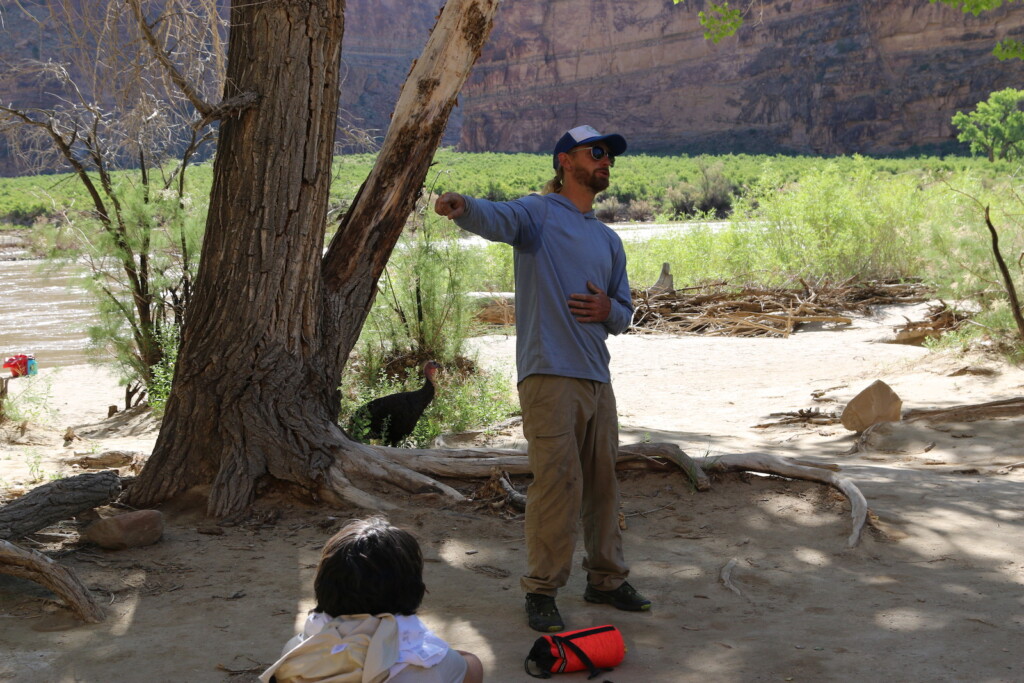
The river guides are fantastic, providing gourmet meals on the fly. Working as a team, they craft seasoned chicken with grape wraps. Brenda has been guiding these flotillas for 15 years, Owen for 10 and Tianna for one year. Their methods and processes to make the “groover” (bathroom) situation simple and easy makes it all very nice for the passengers.
My favorite part every night was watching the sun set over the river and witnessing the rising of the Milky Way. With a moonless night the first two evenings, it was like observing the wild horses, big horned sheep and countless birds – like visiting a friend we haven’t seen for a long while: “Ah, so that’s what you look like!”
We have disconnected ourselves from this real world and we are now building something far less real and genuine. Why are we giving this world up? We are sacrificing the god of nature to the god of progress. For what? For “a better future?” The jury is still out on that one.
Tommy talks a lot. He’s a little too inquisitive, but Brenda is very patient with him. He behaves nearly the entire time. The water, the sunshine and the rapids — they get into your system. This is a means to reconnection; this is the method of feeling life; this is the life much larger than ours that can only produce a sense of joy in being. Tommy’s “behavior problems” were like my worries below the surface. Like the manner in which water flowing over rock over time cuts the rock’s shape and definition; time around water reveals the peace of a boy determined to be wild by society’s standards.
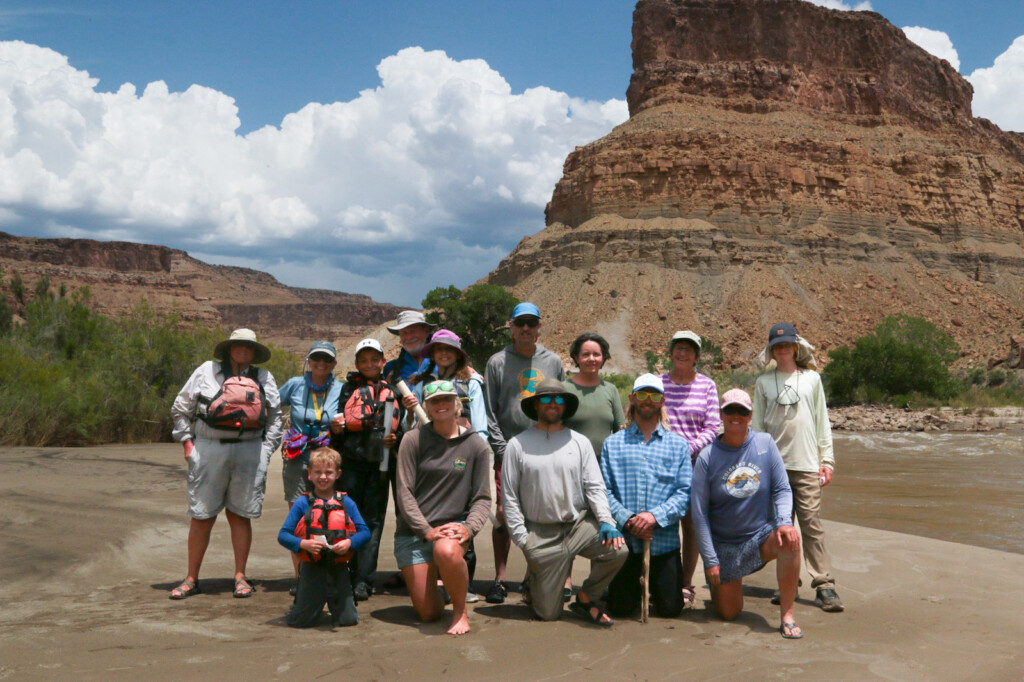
We head back to civilization and my worries reappear. We return home and we long for what we are missing.
Special thanks to Sheri Griffith River Expeditions for accommodating us on such a fantastic adventure.