Although the term “farm to table” might be a tad overworked these days, there really is a bevy of discerning local chefs and restaurateurs who place a high value on freshness and do their damndest to source produce locally whenever possible. That means that you really can get a fresh, healthy meal with a smallish carbon footprint in many of our best Utah eateries. Here are a few tasty examples.
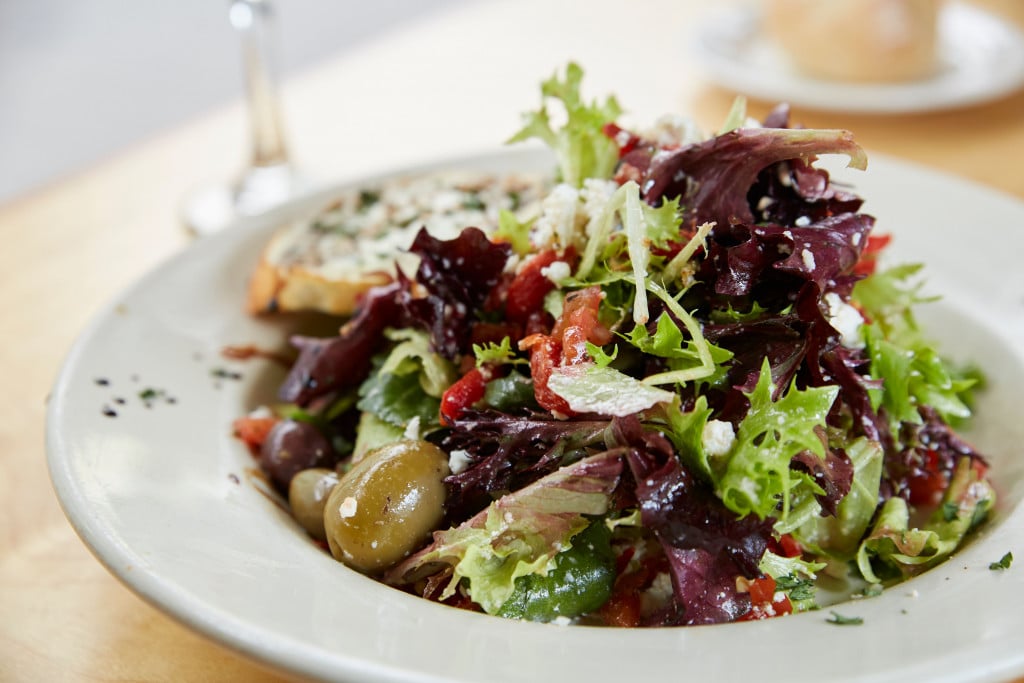
At SLC Eatery, chef/owners Paul Chamberlain and Logen Crew turn to local Frog Bench Farms for their Tokyo Turnip cart menu item, which comes with caper-date puree and sesame garlic crunch. In addition, customers can delight in SLC Eatery’s Frog Bench Farms Greens: a sensational salad made with a blend of fresh local greens, cucumber, beets, whipped feta, falafel croutons and zippy pepperoncini vinaigrette. Who says healthy, fresh eating has to be boring?
Manoli Katsanevas — the talented, hospitable, and creative chef of his namesake restaurant, Manoli’s — prides himself on incorporating the freshest, local ingredients into his Mediterranean-inspired cuisine from producers such as New Roots Farm. So the star of his revithosalata vegetarian mezze dish, for example, is sauteed locally-foraged mushrooms with homemade hummus, pine nut dukkah and roti. And the gluten-free roka salad is superb: fresh local arugula combined with seasonal fruit, house-made mizithra, toasted almonds and white balsamic vinaigrette. Of course, being Greek, Manoli knows a thing or two about lamb. So, he sources his lamb from local Morgan Valley Lamb. You do not want to miss his next “lamb on the spit” special dining event at the restaurant. It’s manna for lamb lovers.
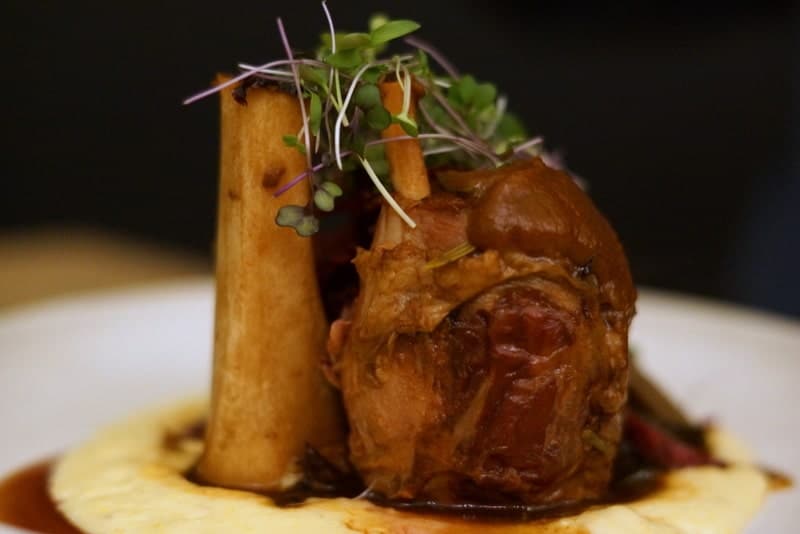
At Heber’s Afterword restaurant, partners Maggie Alvarez and Matt Harris incorporate fresh ingredients from their own farm in Midway into many of the delectable dishes served there. So you can bet that items sprinkled across the Afterword menu like local mushrooms, sauteed kale, winter squash, house-made kimchi, sweet pepper jam, garlic puree, potato & parsnip hash, roasted cauliflower, charred leek vinaigrette, raspberry coulis, and many more probably came from no more than a few miles away. Now that’s fresh and local.
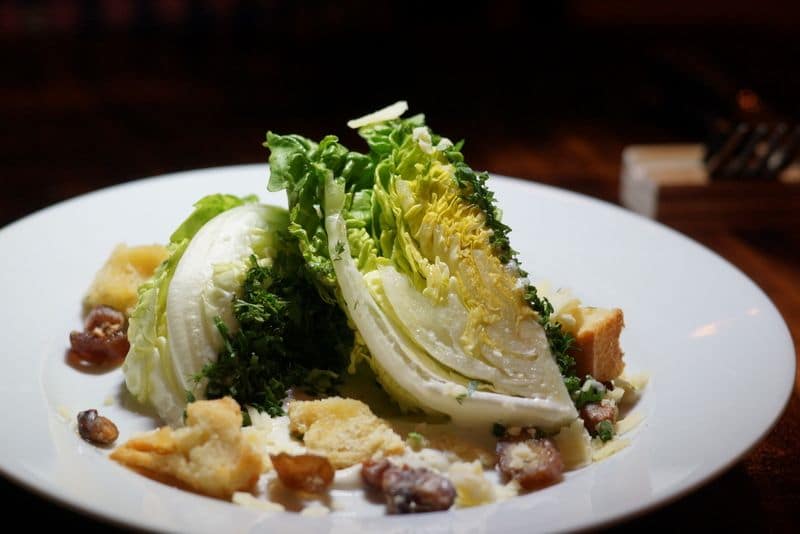
Tyler Stokes — chef/owner of Provisions restaurant — has been using fresh, local foods in his cooking since the day he opened his east side eatery. Frog Bench Farms supplies items like braising greens, arugula, spinach and such to Provisions so you can count on uber freshness from something like the Wedgeless Wedge Salad with baby gems, radish, Asian pear, sunflower seeds and smoked bacon ranch dressing. Even Stokes’ Shaking Beef dish utilizes local watercress, scallions and red onions to fire up the deliciousness factor.
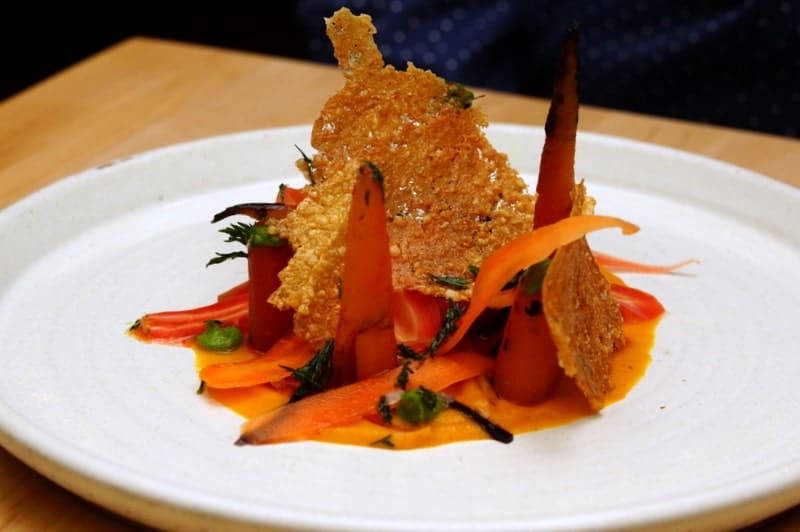
Oquirrh restaurant is about nothing if not locally sourced, scrumptious American fare. So when you order the Oquirrh Salad — whole leaf lettuce, buckwheat, garden sprouts, and toasted sunflower seed vinaigrette — you know you’re eating local. And all those microgreens you see deliciously garnishing many of the dishes at Oquirrh? Yep, they’re all from a farm less than a mile as the crow flies from the restaurant.
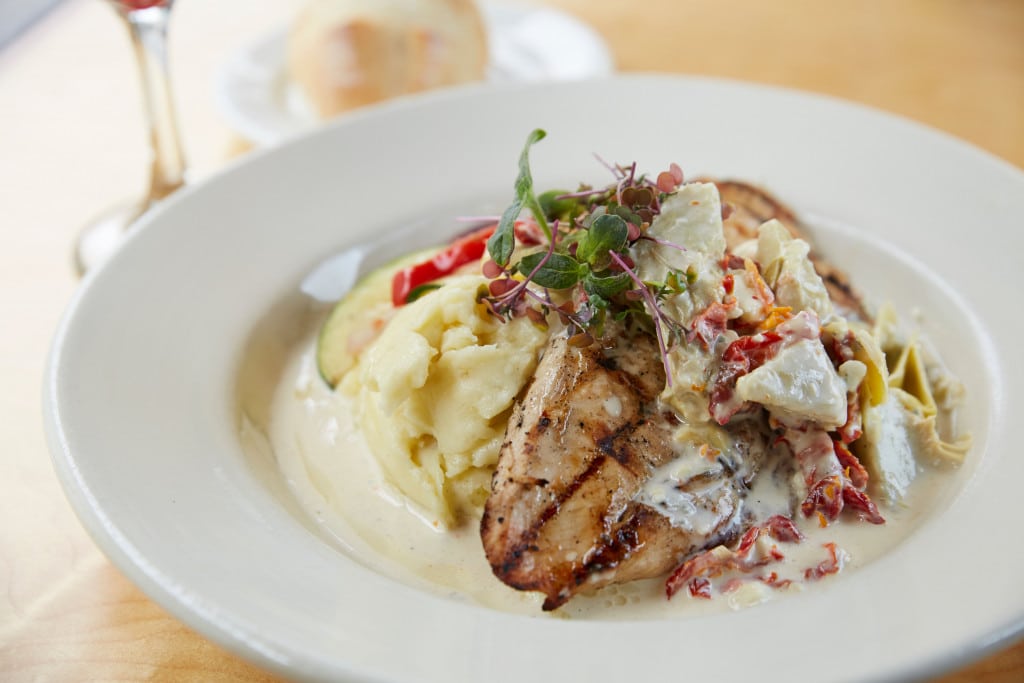
The freshness factor is flying high at Caffe Molise, where chef/owner Fred Moesinger uses fresh wild mushrooms and caramelized onions on polenta with fresh-made tomato sauce and gorgonzola in his Polenta con Funghi antipasti dish. And what could be more fresh than the Spinaci at Caffe Molise: fresh spinach with wild mushrooms, roma tomatoes, fresh mozzarella cheese, red onion, pine nuts and balsamic vinaigrette.
At Hell’s Backbone Grill in Boulder, chef/owners Jen Castle and Blake Spalding emphasize regional cuisine using a vast amount of locally-produced ingredients, including many from their own farm, which is an organic, no-harm farm. Whether you’re enjoying the Bowl of Three Sister Posole, French Onion Soup, or Goat Cheese Fondue, you can be confident knowing that they are laced with fresh Hell’s Backbone Farm ingredients such as roots & bulbs, greens, cucumbers, heirloom fruits, squash, potatoes, herbs, and even eggs from their flock. It just doesn’t get much more local than that.
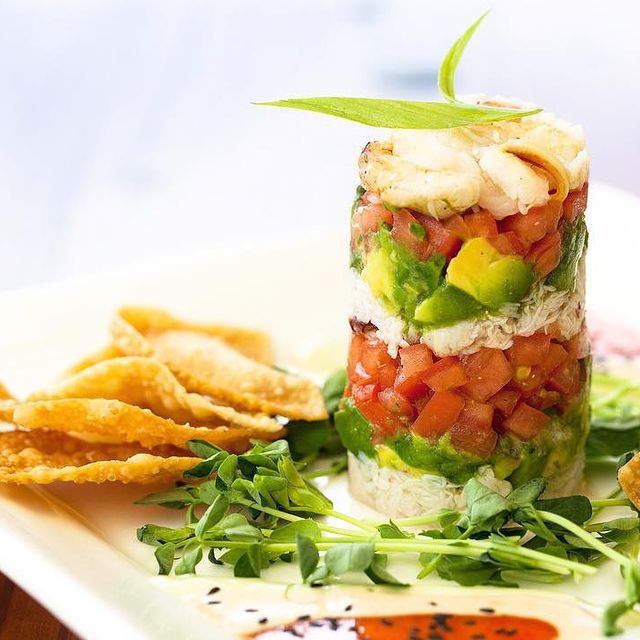
You might not think of a ski resort as a place to find high-quality, locally-sourced ingredients and in-house, made-from-scratch fresh menu items. But that’s exactly what you’ll find at a Deer Valley Resort restaurant like Royal Street Cafe. There is freshness and “local” written all over the menu, with items ranging from Kamas’ Gold Creek Farms cheddar in the Wagyu Brisket Sandwich and the McHenry’s Cheeseburger, to house-made mustard pickles, whiskey BBQ sauce made with Park City’s High West Campfire Whiskey, homemade smoked habanero aioli, and fresh pasta from Funaro’s Perfect Pasta in West Valley City.
And, everything about the Freshly Baked Jumbo Soft Pretzel at Royal Street Cafe is fresh and homemade, from the house-baked pretzel itself, to the homemade queso sauce and made-in-house horseradish whole grain mustard. Oh, and the beautiful mountain scenery backdrop? That’s on the house.
Subscribe to Utah Stories weekly newsletter and get our stories directly to your inbox
nbsp;