HEBER VALLEY ― This May, Maggie Talucci will celebrate four years of sobriety. And she credits Wasatch Crest Treatment with giving her a solid foundation for continued recovery.
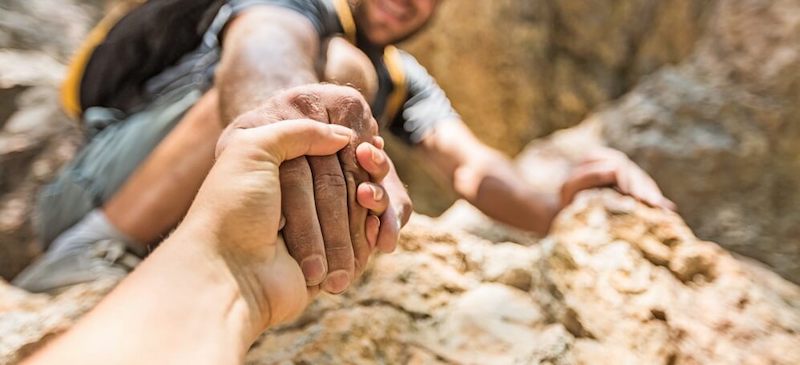
“The ‘Crest’ taught me how to live life substance-free and still have fun, and part of that was through their outdoor excursions. We did a lot of hiking, a lot of physically active activities,” Talucci said.
But had Covid-19 hit during her initial struggle to get sober, Talucci’s success story might have turned out differently.
“I think about where I was in early recovery,” Talucci said, “and I honestly don’t think I would have been able to handle the pandemic.”
Talucci now operates the nonprofit Iron Wolf Recovery in Charleston, South Carolina.
Talucci described her own battle: “After a lifetime of substance use, I ended up losing everything, including my self worth. Overdosing had become a part of my life, and at that time, I was ready to die just to get rid of the pain.”
Iron Wolf Recovery offers a simple formula for continued success: “Connect. Sweat. Recover.” By offering free fitness sessions to anyone with at least 48 hours of sobriety, its members can build physical and mental strength while enjoying the support of others in recovery.
Through friendships at the gym, Talucci said that people could open up about their struggles ― and ask where to get more help. And through those conversations, the shame of addiction begins to dissipate.
“You help break down that stigma by almost normalizing it ― not saying that my active addiction was normal by any means,” Talucci said. “But talking about it and being candid about it makes others less ashamed. Addiction touches all of us, whether it be ourselves or friends or family.”

Recovering outside
Wasatch Crest Treatment, founded by Jim Huffman in late 2016, has two assets working in its favor: a stunning natural setting and a host of outdoor activities that aid in the recovery process.
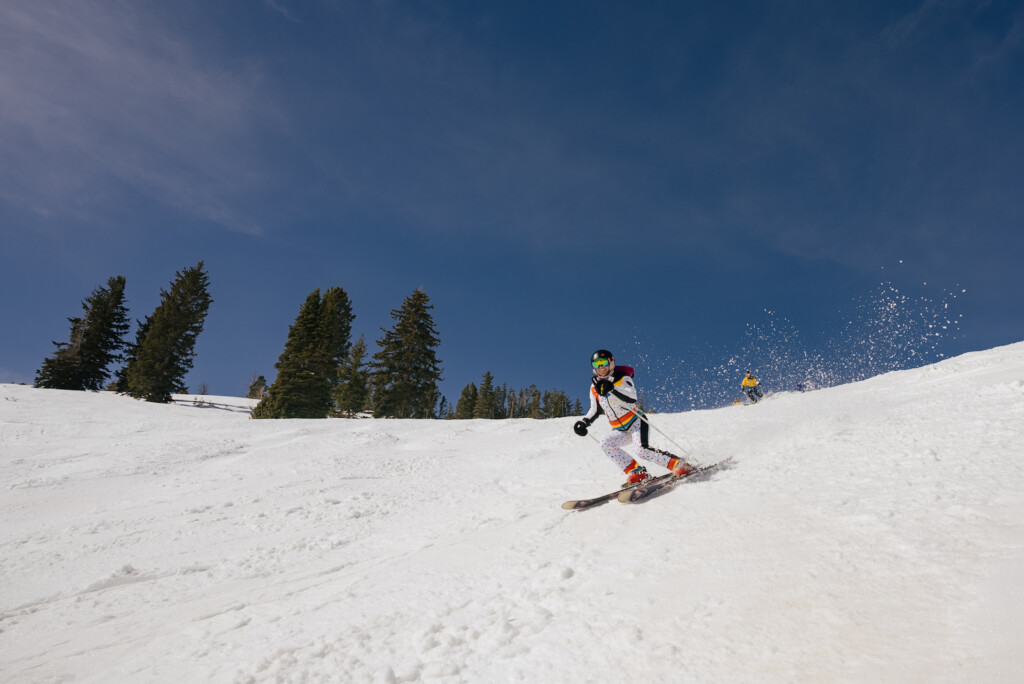
Situated on a sprawling seven-acre estate in Heber Valley, the mountainside retreat offers trail runs, topnotch skiing and snowboarding at nearby resorts ― and even pickleball.
“Our outdoor recreational piece is huge … one of the things our clients love the most,” Huffman said. “So we’re continuing to do those things that are safe and have distance.”
Huffman himself has been in recovery for almost 14 years, and said he remembers how difficult it was initially to seek help for his addiction.
“I was so ashamed, and I didn’t want anybody to know I was having a problem,” Huffman said.
In his younger days, Huffman ran the Wasatch 100, a 100-mile endurance trek stretching from Utah’s East Mountain Wilderness Park to Soldier Hollow.
Rich McDonald, his longtime running buddy, approached Huffman in 2016 about purchasing the treatment center from its then-struggling owners.
Huffman took the leap, and McDonald became Wasatch Crest’s first employee. A trained clinical mental health counselor, McDonald now serves as the center’s clinical director.
In a November 2020 blog, McDonald wrote that addiction is a disease, not a moral issue. He also urged people in recovery to share their stories.
“It is often the shame and stigma of addiction that keeps people who need help from seeking it,” McDonald wrote. “As we stop the misinformation and shine light on the millions of people living healthy sober lives, we provide hope for the future.”
Adapting during Covid-19
Recovering from alcohol or substance abuse can be a rough road. Toss in a deadly virus, and that journey just got tougher.
The social distancing and isolation that accompanied the Covid-19 pandemic not only set the stage for increased substance use, but also made it harder to seek help.
“Challenges around mental health are oftentimes the underlying factor for substance use and alcohol abuse because we’re using those things to self-medicate how we feel, to offset depression and anxiety,” Huffman said.
As Huffman sees it, connection is the opposite of addiction.
“Isolation is the worst possible thing for somebody who’s struggling with mental health or substances or alcohol,” he said.
So Wasatch Crest kept its 20-bed inpatient residence operational through 2020 by testing clients and making sure staff wore masks.
But other aspects of the program, especially 12-step meetings and other support sessions associated with longer term aftercare, had to go virtual.
“I’m a little old school. Zoom’s great but I prefer in-person,” Huffman said. “We’re really a relationship-driven company, and from that perspective it’s definitely been more challenging.”
According to Huffman, only two clients tested positive for the virus this past year ― and he believes they had it when they arrived.
Mental toll
Last August, the Centers for Disease Control and Prevention released a report that surveyed 5,412 U.S. adults during the final week of June 2020.
Results revealed that 40 percent ― or two in five ― had experienced increased anxiety, stress and trauma due to COVID-19.
Those conditions ― identified particularly in younger adults, racial/ethnic minorities, essential workers and unpaid adult caregivers ― led to disproportionately worse mental health outcomes, increased substance use and more prevalent thoughts of suicide.
According to the Utah Department of Health, 621 residents die by suicide each year on average.
“Over the last few years the greatest uptick we’ve seen has been in the (abuse of) opioid prescription medication, and then the transition from that into heroin,” Huffman said, attributing that trend to Utah’s dominant culture. “People don’t drink and don’t smoke, but if a doctor prescribes medication for you, then it’s OK.”
And 2018 data from the National Institute on Drug Abuse showed that Utah medical providers wrote opioid prescriptions for 57 of every 100 persons in Utah. The state logged 437 deaths from opioid overdoses that year.
Wasatch Crest currently has a waiting list, but Huffman said they work with various partners to get people into recovery as quickly as possible.
Looking ahead, Huffman said they will soon open a women’s sober living facility in the Heber Valley. Their men’s outpatient recovery residence has been operational for about two years.
“In terms of where we’re going as a program, that will be the biggest area of growth for us,” Huffman said, to “help get people back into life and relaunched.”
Wasatch Crest Treatment is located at 425 W Moulton Lane, Heber City, UT 84032. WasatchCrestTreatment.com
Subscribe to Utah Stories weekly newsletter and get our stories directly to your inbox