Utah Stories

Simplicity Canned Cocktails—pop the top and enjoy

  Cocktails in cans? Americans have been drinking beer out of cans since 1935. And, more recently, wine and fizzy drinks containing alcohol have become available  in cans as well. So Simplicity Cocktails’ founders Chris Weed and Chad Linville thought—why not canned cocktails? Weed and Linville, following years of R&D, have created Utah’s first company…

|


Cocktails in cans?

Americans have been drinking beer out of cans since 1935.

And, more recently, wine and fizzy drinks containing alcohol have become available  in cans as well. So Simplicity Cocktails’ founders Chris Weed and Chad Linville thought—why not canned cocktails?

Weed and Linville, following years of R&D, have created Utah’s first company specializing in canned cocktails. The canned drinks are perfect for picnics, concerts, camping, boating, fishing, or any outdoor events and occasions where a cooler of cocktails is appropriate and convenient. They also taste pretty darned good indoors and out on the patio at home.
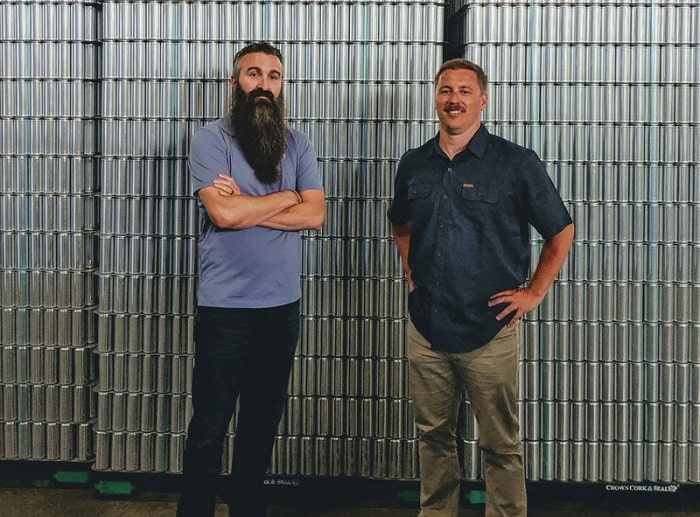
Simplicity Co-Founders Chris Weed & Chad Linville

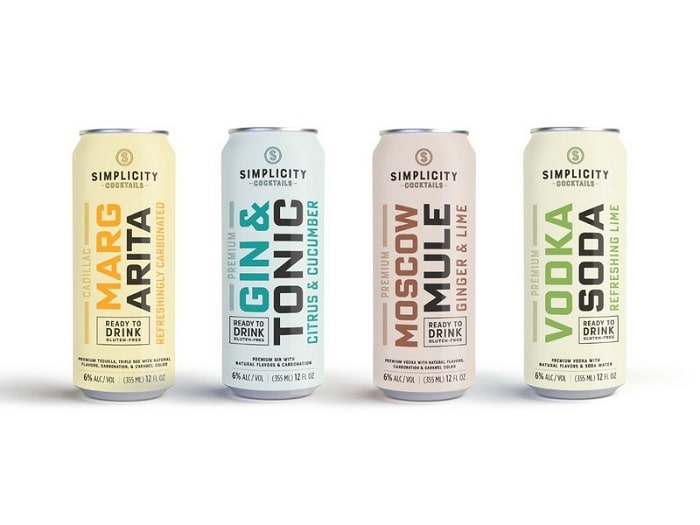
Simplicity kicks off with four canned cocktail options: Gin & Tonic, Moscow Mule, Cadillac Margarita, and Vodka Soda. The first two are currently available at Utah State Liquor stores; the latter two are available via special order from the UDABC.

Cocktails in cans? Sign me up!

FOR RESTAURANT REVIEWS GO HERE

THIS CONTENT IS FROM UTAH BITES NEWSLETTER.

GET OUR WEEKLY RESTAURANT REVIEWS, TED’S FAVORITE RECIPE AND DRINK OF THE WEEK DIRECTLY TO YOUR INBOX. TO SIGN UP FOR FREE GO HERE.

Originally trained as an anthropologist, Ted Scheffler is a seasoned food, wine & travel writer based in Utah. He loves cooking, skiing, and spends an inordinate amount of time tending to his ever-growing herd of guitars and amplifiers.

SUPPORT OUR SPONSORS: click on their logos to visit their website


[envira-gallery slug=”food-logos”]

, ,


Join our newsletter.
Stay informed.


  • Highway 6 and the Midland Trail: Utah’s Transcontinental Highway History

    From Price Canyon to Delta’s desert stretch, Utah played a central role in building the Midland Trail, one of America’s earliest transcontinental highways and the foundation of today’s Highway 6.


  • Whiskey, Bullets & a Buried Town: Archaeologists Reveal Alta’s Wild Past

    Before Alta was known for powder days and lift lines, it was a silver mining town clinging to the side of a narrow canyon. In the late 1800s, men lived at 8,000 feet, went underground each day, and endured winters that regularly buried buildings in snow. This past summer, that mining town resurfaced — literally — during construction at the Alta Ski Area.

    To understand what Alta really looked like, you don’t begin with legend. You begin with its trash — and this time, that happened almost by accident.

    Alta Ski Area was installing underground water reservoirs to support snowmaking. Because the project sits on Uinta-Wasatch-Cache National Forest land, an archaeologist was required to monitor the excavation. No one expected the trench to produce much.

    But, It did.

    Artifacts began surfacing almost immediately. Enough that the Forest Service contacted the Utah State Historic Preservation Office for help. Lexi Little, who coordinates the Utah Cultural Site Stewardship Program, helped mobilize nearly 30 volunteers to assist with what quickly became a focused two-week excavation.

    Winter deadlines were approaching. The pipes for the reservoirs had to go in the ground. There wasn’t time for a slow, extended dig.

    “It was two weeks of digging in the dirt and helping figure out exactly what we were looking at,” Little said.

    Most of the people screening soil weren’t professional archaeologists. They were trained stewards from around Utah — part of a statewide volunteer network that now approaches 500 people. They poured dirt through shaker screens, scanning for fragments that could piece together a town long buried.

    “Archaeology is human trash,” Little explained. “Archaeologists are very into trash.”

    Alta had left plenty behind.

    https://youtu.be/hzIHzx3OGoo?si=dKcl2CEz-t6FZzYw

    Victorian-style ceramics appeared first — the kind typically used in hotels. Medicine bottles followed. Ink bottles. Hand-blown glass. A porcelain doll’s foot surfaced from the soil, a small detail that shifted the mental image of the town. Families were here. Children were here. This wasn’t only a camp of miners.

    The bottles helped establish time. Manufacturing details — whether glass was hand-blown or mold-made, whether a maker’s mark appeared on the base — allowed archaeologists to date many of the artifacts to the 1870s through the 1890s, when Alta was booming as a silver mining town.

    “That gives you that range of dates for when Alta was really booming,” Little said.

    One reusable soda bottle clearly stamped “Salt Lake City” connected the canyon to the valley economy below.

    Then something unusual rolled out of a dirt pile.

    A corked bottle. Intact. Liquid still inside.

    Continue reading and support independent Utah journalism with a purchase of Utah Stories (Digital + Print) or 3 month free trial (Digital).


  • Hearth and Hill Sugar House Restaurant Review | Salt Lake City

    Hearth and Hill Sugar House brings the menu depth and design confidence of its Park City sister to Salt Lake City. From Cheddar Biscuits and Chef’s Crudo to Scallop Saffron Risotto and Mary’s Organic Chicken, the restaurant balances eclectic offerings with consistent execution.


  • Deer Valley Launches Corduroy Lunch Club as Park City Wine Fest and New SLC Pizza Spot Arrive

    Deer Valley is rethinking first tracks with a new noon rope drop, giving skiers freshly groomed corduroy without the early alarm. Meanwhile, Park City prepares for a spring wine festival takeover, and Salt Lake City welcomes its first Burattino Brick Oven Pizza location. From midday turns to evening pours and brick-oven crust, Utah’s late-season lineup blends slopes and dining in equal measure.