

Utah Stories

Private Detox of Utah improves the chances for successful addiction recovery

Six Utahns die every week from an opioid overdose. Recovery from addiction without a drug-free place and proper medical care can be fatal. Anne Boulter is founder and CEO of Utah’s first in-home medical detox service, Private Detox of Utah. 

|


Boulter’s in-home detox service now provides an easier step into recovery for Utah addicts before the lifelong journey of sobriety begins.
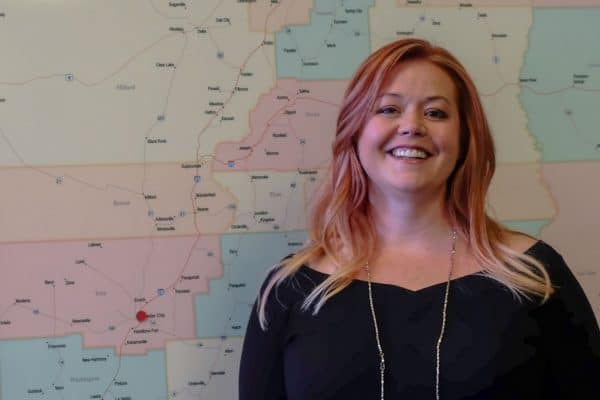
Anne Boulter, founder and CEO of Utah’s first in-home medical detox service

Anne Boulter, founder and CEO of Utah’s first in-home medical detox service, Private Detox of Utah. 

Stepping into recovery

Recovery from addiction without a drug-free place and proper medical care can be fatal.

“Utahns aren’t getting the addiction treatment they need,” said Anne Boulter, founder and CEO of Utah’s first in-home medical detox service, Private Detox of Utah

Six Utahns die every week from an opioid overdose. A creative solution is seeking to address this problem.

Started in July 2018, Private Detox of Utah, with help from the Utah Microloan Fund and a 16-week Banking on Women class, Boulter’s in-home detox service now provides an easier step into recovery for Utah addicts before the lifelong journey of sobriety begins.

“Utah’s use and overdose rates are 7th in the nation,” said Boulter. “But you need to detox before you get into recovery.”

Boulter, a Nurse Practitioner for over 14 years, is also an opiate addict in recovery. She sees a lack of people getting into treatment.

“This is made worse by cold and uninviting environments where addicts are treated more like criminals than patients, and everyone gets the same treatment protocols,” said Boulter. “In the medical community, we weren’t taught addiction as a disease model, but addiction changes you entirely. I wouldn’t wish addiction on anyone.”

Ridding the body of toxic substances

“Detox” is the most physically and emotionally intensive part of freeing oneself from chemical dependency. Without it, people die. But addicts must first go through this acute treatment before the long-term healing starts.

With years of experience detoxing patients in a hospital setting, Boulter now provides addicts with in-home VIP care that includes 24-hour access to medical providers, customized medical detox plans, and resources for support in recovery.

“Utah’s addicts are often mid and upper-level income people struggling to get to work every day,” says Boulter. “Some keep it under wraps for years once they become chemically dependent. Slower for some and faster for others, it’s only a period of time before things fall apart.”

Easier steps into recovery

Helping others in recovery was a huge awakening to a whole new level of thinking and understanding addicts. It turned everything around in Boulter’s life and inspired her to create an easier way for addicts to get into treatment and recovery by detoxing at home.

Success as a medical practitioner made it difficult for Boulter to accept her own addiction.

“Loss of control was hard, but addiction and recovery turned my life around,” said Boulter. “The thing about this disease is, it’s your own brain trying to kill you, which is why irrational thoughts seem rational to a using addict … addiction can be easier to recover from if it starts later in life, but if substance abuse starts when people are young, emotional, social, and mental growth gets stunted,” says Boulter. 

She’s quick to point out that although the road to recovery is hard, it’s obtainable for anyone who works for it.  “And it’s definitely worth the work,” she said. 

Describing her work helping other addicts, Boulter said, “You help people up, and you go up with them. Addiction changes you, but recovery makes you.”


 

, , , ,

Join our newsletter.
Stay informed.


  • Smart as Opposed to Hard: How Utah Students Can Streamline their University Experience

    The next generation of professionals throughout Utah have come to appreciate the importance of a formal education. To put this observation into perspective, attendance rates at all Utah universities increased by 4.32% in 2023 alone. While this is great news for those who are keen to enjoy lucrative future careers, we also need to remember…


  • Salt Lake County Approves 14% Property Tax Increase, Shifting the Burden to Taxpayers

    After hours of public testimony, Salt Lake County approved a 14% property tax increase, despite mounting concerns over spending growth, compensation, and the impact on seniors and fixed-income residents. This analysis examines where the money is going, what could be cut, and why residents are pushing back


  • Utah Winter Events Calendar: Ice Skating, Festivals, and Things to Do in January–February 2026

    From ice skating at Millcreek Common, Gallivan Center, and the Utah Olympic Oval to winter festivals, outdoor adventures, and cultural events across the state, this January–February calendar highlights a wide range of activities happening throughout Utah, from Bluff Balloon Festival and SkiJoring Utah to concerts, races, and seasonal celebrations.


  • Chronic Disease in America: Treating Too Late, Prescribing Too Much

    Every January, Americans reflect on the year behind them and draft a familiar list of resolutions. Eat better. Lose weight. Exercise more. Reduce stress. These intentions recur not because people lack discipline, but because the underlying health conditions driving them persist.

    Despite unprecedented medical spending and pharmaceutical access, the United States remains chronically unhealthy. According to the Centers for Disease Control and Prevention, more than 76 percent of US adults live with at least one chronic condition, and over 51 percent live with two or more. The most prevalent conditions are well documented. Heart disease remains the leading cause of death, accounting for 680,981 deaths in 2023, while obesity affects more than 40 percent of US adults. Diabetes impacts 38.4 million Americans, and nearly half of adults have hypertension, a major contributor to stroke, kidney failure, and heart disease.

    Treatment typically begins once disease is clinically apparent, and often relies on pharmaceuticals. Over time, this approach can lead to polypharmacy, the use of five or more medications. Patients with chronic illness frequently average two to four comorbidities, each managed independently, increasing the likelihood that side effects from one medication require another.

    To access this post, you must purchase Utah Stories (Digital + Print) or 3 month free trial (Digital).