Utah Stories

Forest bathing with Wasatch Forest Therapy

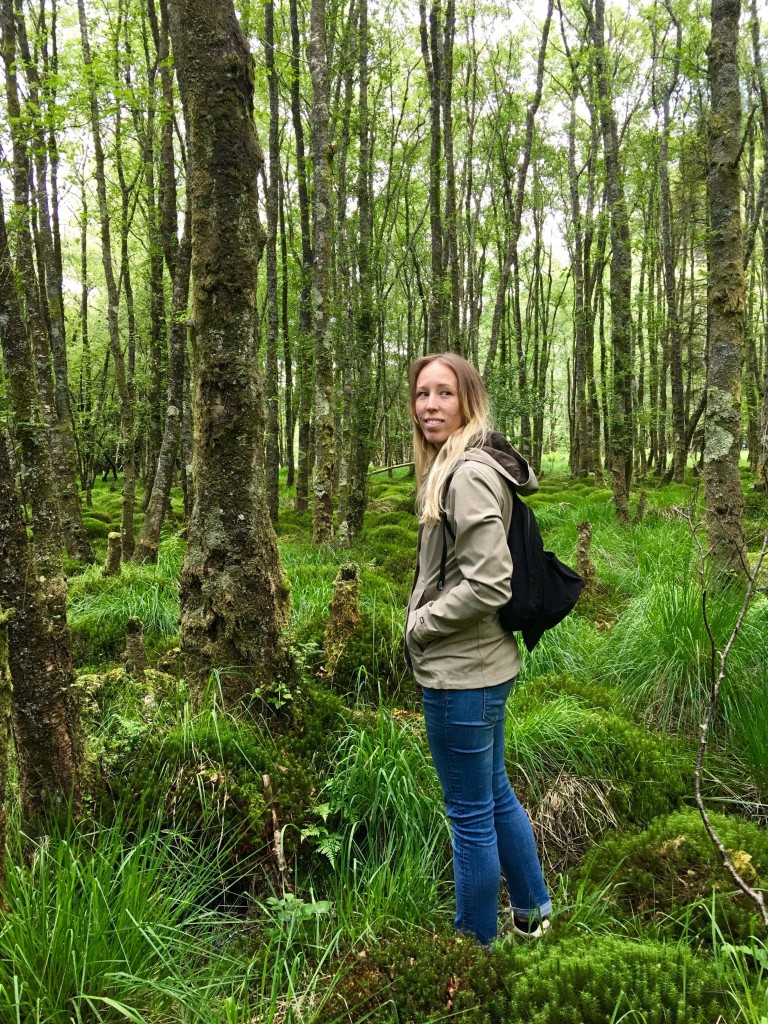
Wasatch Forest Therapy, run by Utah County resident Lissa Kennedy, wants to help people slow down by experiencing forest bathing, because many Utahns love spending time outdoors, but often spend that time whizzing through the landscape.  Immerse yourself in nature with forest bathing Once a month, Kennedy takes up to 10 people into the woods…

|


Wasatch Forest Therapy, run by Utah County resident Lissa Kennedy, wants to help people slow down by experiencing forest bathing
Lissa Kennedy wants to help people slow down by experiencing forest bathing

Wasatch Forest Therapy, run by Utah County resident Lissa Kennedy, wants to help people slow down by experiencing forest bathing, because many Utahns love spending time outdoors, but often spend that time whizzing through the landscape. 

Immerse yourself in nature with forest bathing

Once a month, Kennedy takes up to 10 people into the woods for three hours. She conducts what’s called a “forest bathing session,” which is simply spending time in nature.

Kennedy is a forest therapy guide certified through the Association of Nature and Forest Therapy.

It’s the pace that sets forest bathing apart from hiking. “I’ve found that it’s hard and uncomfortable for people to go slowly. They want to move along. But my job is to slow them down,” Kennedy said. A forest bathing session thus takes connection with nature to a deeper level.

“It’s hard for people to really comprehend how different it is from hiking until they’re actually out on a walk,” Kennedy explains. “We’re moving very slowly, attempting to be in the present moment and actively using our senses to connect to the life around us.”

The benefits of forest bathing

People seem to know spending time in nature makes us feel better, but now there’s a body of developing research to explain why. The bulk of research surrounding forest bathing started in Japan in the 1980s; and now there are studies occurring all over the world.

One study showed that even fifteen minutes of forest bathing can provide benefits to the immune system. Evergreen trees emit phytoncides, which are chemical compounds that significantly elevate a certain type of white blood cell when inhaled. These white blood cells, also known as “natural killer cells,” are responsible for attacking tumors and cancerous growths.

Time in nature reduces levels of the stress hormone cortisol and normalizes blood pressure levels. Other positive benefits include alleviation of mood disorder symptoms such as depression and anxiety. Mindful awareness in nature also offers positive benefits such as increased creativity and empathy.

There is a guided meditation, sharing while gathered in a circle, and a series of invitations designed to help participants use their senses to connect more deeply with the natural environment. Every forest bathing session ends with a tea ceremony made with ingredients foraged along the way.

Participants on Kennedy’s walks say they haven’t experienced nature this way since they were children, and actually had no idea it was possible to fall so deeply into presence with the natural world.

“One time I was out with a group and we were moving slowly and quietly enough that we were able to observe a deer only 15 feet from us. It was amazing to be that close to a wild creature and share the experience with others. Another time we were in the middle of a guided meditation, and the very moment I invited everyone to direct their awareness to their sense of touch, the clouds opened and the sun beamed down and warmed our faces. It’s little moments like this during a forest bathing session that are so special,” Kennedy said.

Culture repair

Forest bathing sessions bring complete strangers together.

With the support of a guide in a forest environment, there’s a social healing that Kennedy calls “culture repair.” She explains it this way:

“There’s a deficiency of human connection in our digital, automated world. People show up with a desire to connect. Even those who don’t realize they’re hungry for social connection find that time with strangers in nature is nourishing. I’ve seen people transform on my walks. They’ll show up quite reserved and keeping to themselves. But by the end of our time together they open up, they’re hugging and exchanging contact information. It’s like we’ve been on a 10-day retreat together.”

The benefits of maintaining her own forest bathing practice have been substantial. “I’ve struggled with depression off and on. As I’ve deepened my practice over the years, I can see a significant shift in my own personal mental health. What I can say is that it works. It works. You are healthier and happier.”


To join an upcoming forest bathing session, visit Kennedy’s website, WasatchForestTherapy.com.

,


Join our newsletter.
Stay informed.


  • Smart as Opposed to Hard: How Utah Students Can Streamline their University Experience

    The next generation of professionals throughout Utah have come to appreciate the importance of a formal education. To put this observation into perspective, attendance rates at all Utah universities increased by 4.32% in 2023 alone. While this is great news for those who are keen to enjoy lucrative future careers, we also need to remember…


  • Salt Lake County Approves 14% Property Tax Increase, Shifting the Burden to Taxpayers

    After hours of public testimony, Salt Lake County approved a 14% property tax increase, despite mounting concerns over spending growth, compensation, and the impact on seniors and fixed-income residents. This analysis examines where the money is going, what could be cut, and why residents are pushing back


  • Utah Winter Events Calendar: Ice Skating, Festivals, and Things to Do in January–February 2026

    From ice skating at Millcreek Common, Gallivan Center, and the Utah Olympic Oval to winter festivals, outdoor adventures, and cultural events across the state, this January–February calendar highlights a wide range of activities happening throughout Utah, from Bluff Balloon Festival and SkiJoring Utah to concerts, races, and seasonal celebrations.


  • Has Utah’s Soft-on-Crime Justice Reform Made Communities Safer?

    Has this “soft-on-crime” approach resulted in safer streets?

    SALT LAKE CITY — A decade has passed since former Utah Governor Gary Herbert signed a massive justice reform bill into law in hopes that the state could reduce its prison population and manage low-level offenders through rehabilitation programs instead of incarceration. Has this reinvestment resulted in lower crime and recidivism rates?

    According to the Utah Department of Corrections, that landmark Justice Reinvestment Initiative aimed to “continue holding offenders accountable and securing our communities, but in a way that considers individual risks and treatment needs.”

    Are communities really safer when mental health and substance use needs are addressed through programs administered outside prison walls? The idea was to treat criminals differently based on their mental health needs and backgrounds. But at least one retired Adult Probation and Parole Officer, believes this “soft-on-crime” approach hasn’t resulted in safer streets.

    LOOKING BACK

    State Senator Todd Weiler, in that legislative role since 2012, helped drive the passage of the Justice Reinvestment Initiative (JRI), a massive bill that enjoyed broad-based approval among state officials and the Legislature as a whole.

    In November 2014, Weiler attended the national summit on the issue in San Diego, an event hosted by Pew Charitable Trusts. 

    “I was very involved in it. We had a lot of high hopes,” Weiler, a Woods Cross Republican, said in a recent interview. “That was about the time we were finalizing plans for the new prison. And we actually said that because of JRI we don’t need as many beds because we’ll be incarcerating fewer people. So that new prison was designed with this idea.”

    A key part of JRI dealt with adjusting sentencing for crimes related to addiction, dividing offenders into two basic groups: dangerous criminals who are a threat to society (that group goes to prison), and low-level offenders who get help kicking addictions through state-sponsored programs or private-sector rehabilitation.

    “The ultimate goal was if we have an otherwise good person who got caught up in an addiction, and as a result committed crimes, they need to be punished for their crimes,” Weiler said. “It’s not that we’re going to overlook what they did, but we wanted to focus primarily on helping them overcome their addiction and [that means] getting them back to their job and their family.” 

    Before JRI, low-level drug offenders with felonies would spend years in prison, which wreaked havoc with their lives and future prospects. Addressing the root cause of their theft and property crimes through supervision and treatment made sense. 

    “We’re all imperfect people,” Weiler said. “So we want people working their jobs, paying their bills and raising their kids rather than sitting in jail and watching TV or playing cards.”

    To access this post, you must purchase Utah Stories (Digital + Print) or 3 month free trial (Digital).