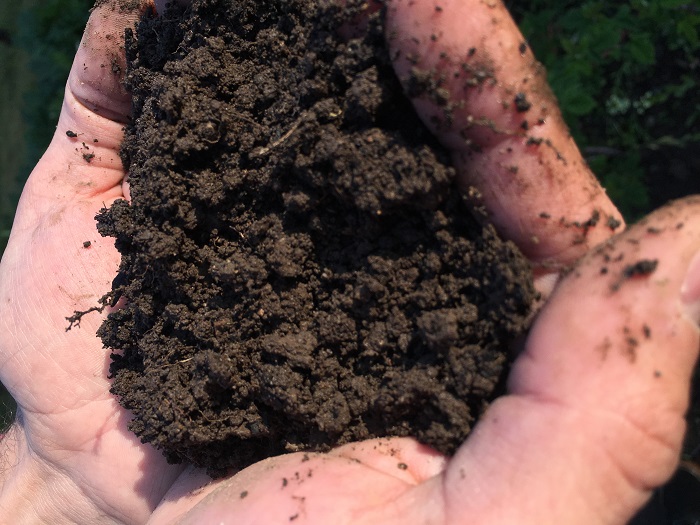
What do you see when you look at garden soil? If you simply see dirt, you may be surprised to learn that a single tablespoon of healthy soil contains more microorganisms than there are people on the planet. It’s true! A small handful of soil contains billions of bacteria, several yards of fungal filament, thousands of protozoa, and many nematodes—the smallest and most abundant animal on earth. Beyond microorganisms, healthy soil also contains scores of arthropods, earthworms, small reptiles, and even burrowing mammals.
You see, healthy soil is where a large portion of earth’s total biodiversity resides. And most above-ground species depend on the health of the soil to function and thrive. Plants are a natural outcome of an invisible bustling web of life beneath our feet. For this reason, organic gardening focuses on cultivating healthy soil, which in turn naturally produces healthy plants.
A Bit of Soil Science: Microbes and Plant Life Working Together
Healthy soil needs plants, too! Tiny root hairs are an important food for microorganisms. For this reason, the area in the soil near plant roots, called the rhizosphere, is an ecological hotspot for a rich array of microbial diversity. Roots also loosen and aerate the soil to facilitate highways for soil life to flourish. Plants, even those we consider weeds, ensure nutrient cycling within the soil and prevent erosion.
Soil microbes generate some intriguing and important ecosystem interactions. For example, the processes by which microbes break down organic matter release crucial plant nutrients normally bound up in the mineral portion of the soil. Plants depend on the metabolic machinery of soil microbes to access nutrients like nitrate, phosphate, and sulfate.
A certain bacteria called rhizobia has a symbiotic relationship with leguminous plants (peas, clover, peanuts, and lentils) that pull nitrogen (one of the most crucial transient nutrients for plants) from the atmosphere into the soil.
Mycorrhizal fungi form a network in the soil that facilitates chemical pathways for plants to speak to each other through their roots. Plants use this mycorrhizal network to transfer resources, identify kin and offspring, and warn each other about potential threats.
What it Means to Garden Organically
As you can see, soil is an incredibly complex and interconnected system of biodiversity. Organic gardening respects the relationships between the living organisms that make up the soil food web and views plants in the context of the rest of the ecosystem with which they are a part.
Thus, an organic garden is not just where plants grow; it’s an intricate system of biological inputs and outputs performed by a variety of species, each with important roles to create a balanced, vibrant ecosystem. It’s a safe haven for bees to pollinate, birds to lodge, and pets and children to play.
The most important element to an organic garden is not necessarily the exact methods practiced, but the gardener’s mindset. If you’re a home gardener, you may already be well on your way to an organic garden! As you develop the ability to observe and mimic nature’s processes, you will naturally tend to choose organic practices without effort. You’ll discover the fascinating ways that the natural world functions. You’ll be inspired and amazed as you learn how microbes, plants, insects, birds, and other creatures live together harmoniously. And you’ll form a closer relationship to the earth.
Perhaps the greatest benefit of organic gardening is how it allows you to also live in harmony with a mindful appreciation of the life all around you. And a close second might be that you’re able to make a lasting improvement to your own patch of earth for generations to come.