Online Exclusives

Activities in July 2015

Check out some July happenings around the state

|


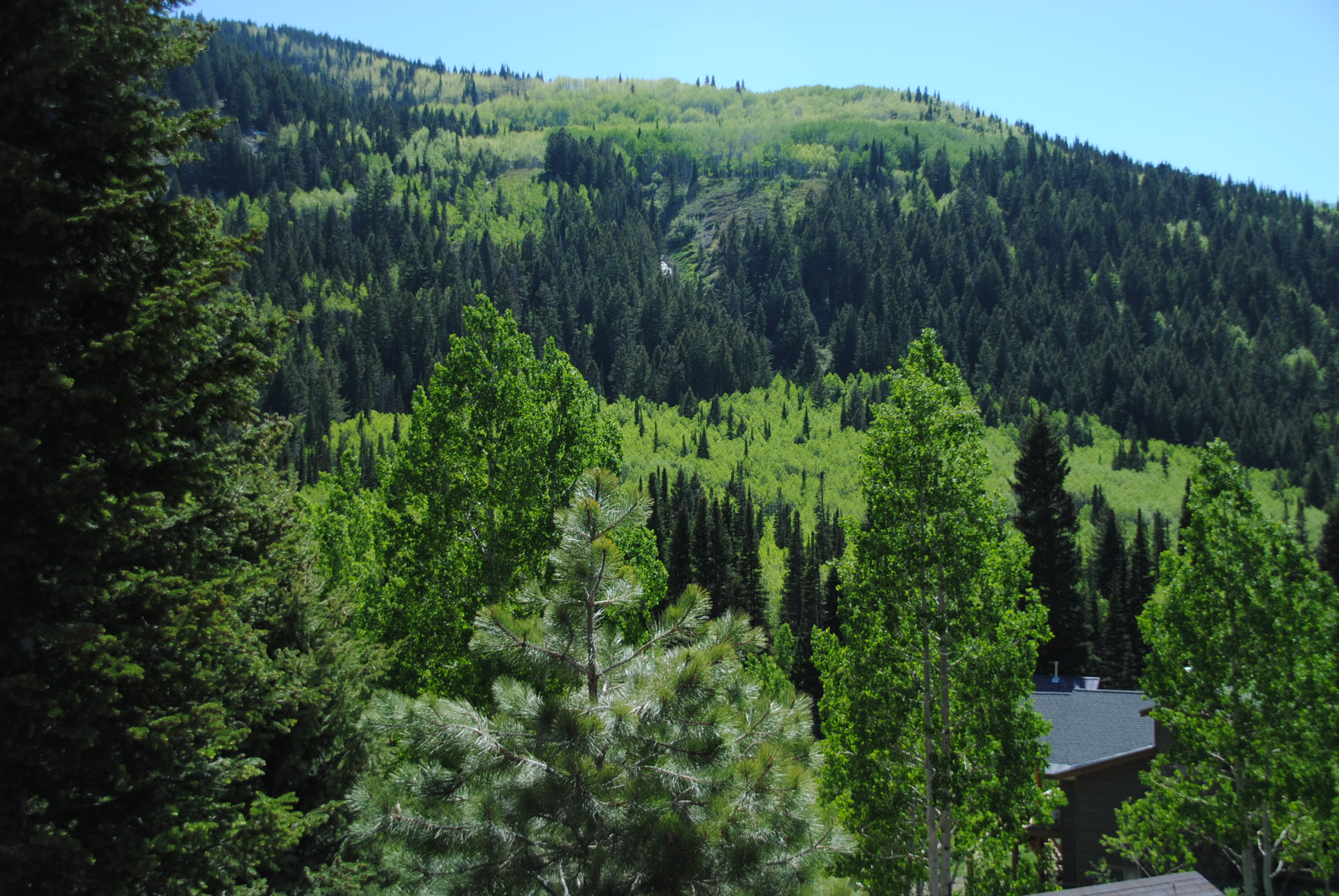
DSC_0718
Photo by Richard Markosian

July 10: The Utah Cowboy and Western Heritage Museum will be inducting new individuals to their Hall of Fame. The event will be held at Union Station, 2501 Wall Ave. Ogden, Utah from 6 pm to 8 pm and is free to the public. There will be entertainment and a great opportunity to visit the museum free of charge.


July 11: Hobbler Half Marathon and 5K in Springville, Utah, at the Arts Park, 700 South 1300 East. Buses will take racers to the left fork of Hobble Creek Canyon for the start of the race. Shuttles will start at 4:45 am. Half marathon will start at 6:30 am and 5K at 7:30 am. Visit http://www.run13.com/races/hobbler for more information and registration.


July 16: Celebrating it’s 11th year, the Face of Utah Sculpture provides Utah artists a forum to present Utah culture. Envisioned by glass artist Dan Cummings, the show features both established and emerging Utah sculptors, using a variety of techniques, styles, mediums and forms. The opening reception will be held July 16 from 6 pm to 8 pm. The exhibit will continue through August 26 at Utah Cultural Celebration Center, 1355 West 3100 South, West Valley City. House will be Monday through Thursdays 9 am to 6 pm. Free Admission.


July 24: Days of 47 Parade at 9 am. The route runs through downtown Salt Lake City starting at South Temple and State Street, it then runs east to 200 East, turns south to 900 South, then east to 600 East, and ending at Liberty Park. Floats, bands and fun celebrate Utah’s heritage. Visit http://www.daysof47.com/events/days-of-47-parade for more information.


July 24: Pioneer Day Ice Cream Social in Moab on the lawn adjacent to the Museum of Moab, 188 E. Center St. Live music and ice cream. Donations accepted. Visit moabmuseum.org for more information.


 

Join our newsletter.
Stay informed.


  • Salt Lake City Newcomers Club: Finding Friendship and Belonging Since 1948

    Moving away from your hometown can come with many blessings. But for some, it also comes with just as many bouts of loneliness. That ache of not knowing where to meet people, or grieving the friends you left behind, comes in waves. Workplaces and churches can sometimes provide ready-made communities, but what happens when they don’t? Where do you go to find true belonging?


  • Highway 6 and the Midland Trail: Utah’s Transcontinental Highway History

    From Price Canyon to Delta’s desert stretch, Utah played a central role in building the Midland Trail, one of America’s earliest transcontinental highways and the foundation of today’s Highway 6.


  • A Stand-Up Wheelchair Gives Paralysis Patients Greater Independence

    After a cycling accident left him paralyzed, Bill Winchester had to relearn how to navigate daily life from a wheelchair. A stand-up wheelchair later gave him the ability to rise, move more independently, and regain parts of the active life he once knew.


  • Whiskey, Bullets & a Buried Town: Archaeologists Reveal Alta’s Wild Past

    Before Alta was known for powder days and lift lines, it was a silver mining town clinging to the side of a narrow canyon. In the late 1800s, men lived at 8,000 feet, went underground each day, and endured winters that regularly buried buildings in snow. This past summer, that mining town resurfaced — literally — during construction at the Alta Ski Area.

    To understand what Alta really looked like, you don’t begin with legend. You begin with its trash — and this time, that happened almost by accident.

    Alta Ski Area was installing underground water reservoirs to support snowmaking. Because the project sits on Uinta-Wasatch-Cache National Forest land, an archaeologist was required to monitor the excavation. No one expected the trench to produce much.

    But, It did.

    Artifacts began surfacing almost immediately. Enough that the Forest Service contacted the Utah State Historic Preservation Office for help. Lexi Little, who coordinates the Utah Cultural Site Stewardship Program, helped mobilize nearly 30 volunteers to assist with what quickly became a focused two-week excavation.

    Winter deadlines were approaching. The pipes for the reservoirs had to go in the ground. There wasn’t time for a slow, extended dig.

    “It was two weeks of digging in the dirt and helping figure out exactly what we were looking at,” Little said.

    Most of the people screening soil weren’t professional archaeologists. They were trained stewards from around Utah — part of a statewide volunteer network that now approaches 500 people. They poured dirt through shaker screens, scanning for fragments that could piece together a town long buried.

    “Archaeology is human trash,” Little explained. “Archaeologists are very into trash.”

    Alta had left plenty behind.

    https://youtu.be/hzIHzx3OGoo?si=dKcl2CEz-t6FZzYw

    Victorian-style ceramics appeared first — the kind typically used in hotels. Medicine bottles followed. Ink bottles. Hand-blown glass. A porcelain doll’s foot surfaced from the soil, a small detail that shifted the mental image of the town. Families were here. Children were here. This wasn’t only a camp of miners.

    The bottles helped establish time. Manufacturing details — whether glass was hand-blown or mold-made, whether a maker’s mark appeared on the base — allowed archaeologists to date many of the artifacts to the 1870s through the 1890s, when Alta was booming as a silver mining town.

    “That gives you that range of dates for when Alta was really booming,” Little said.

    One reusable soda bottle clearly stamped “Salt Lake City” connected the canyon to the valley economy below.

    Then something unusual rolled out of a dirt pile.

    A corked bottle. Intact. Liquid still inside.

    Continue reading and support independent Utah journalism with a purchase of Utah Stories (Digital + Print) or 3 month free trial (Digital).