I would not call myself a coffee addict. I call myself a three-plus-cups-a-day coffee person.
As soon as I open my eyes, I crawl to the kitchen and turn on the electric kettle. I am a French press kind of girl. Then I take my coffee out on the porch, breathe in its awakening aroma and drink it while watching the “wildlife” in my yard, ranging from all sorts of birds and squirrels to roosters. After that first cup of coffee, that is when I feel human.
On particularly bad mornings, when the multitasking that life throws at all of us becomes too much and I feel like crawling back to bed and not waking up for a month, that is when I stop at Bjorn’s Brew on my way to work. I order a small caramel macchiato—small to save on calories—made with 2% milk and half the usual sweetness. While I wait, I look at the photographs of dogs. Then my coffee arrives with the little shortbread cookie they put on top of the cup. But I don’t drink it in the car. I take it to work. I sit down, open my computer, breathe out and take that first sip of caramel macchiato. And somehow, I am ready to deal with the day.
However, I wasn’t raised drinking anything resembling a caramel macchiato. I grew up in Bosnia, where coffee was coffee. Strong. Bitter. And everywhere. You could get espresso or cappuccino, but that was about it. If somebody came to your house, you made Turkish coffee. You didn’t ask whether they wanted it. You just served it. Coffee followed lunch and dinner. You drank it with friends. You drank it with dessert, when its bitterness cut through the sweetness. You sat, talked and lingered over it.
Then I came to Utah more than 25 years ago and, while visiting my new friends, was asked: “Would you like a glass of water?” Water? I still remember thinking that was one of the strangest offers of hospitality I had ever heard.
Living in Utah also made me wonder about something I had never needed to think about before. In a state with so many members of The Church of Jesus Christ of Latter-day Saints who don’t drink coffee, what takes its place? For years, I wasn’t sure anything did. There was certainly plenty of caffeine. It just came in enormous plastic cups filled with Coke, Dr Pepper or Mountain Dew. You picked one up at a gas station and drove around with it in the cupholder.
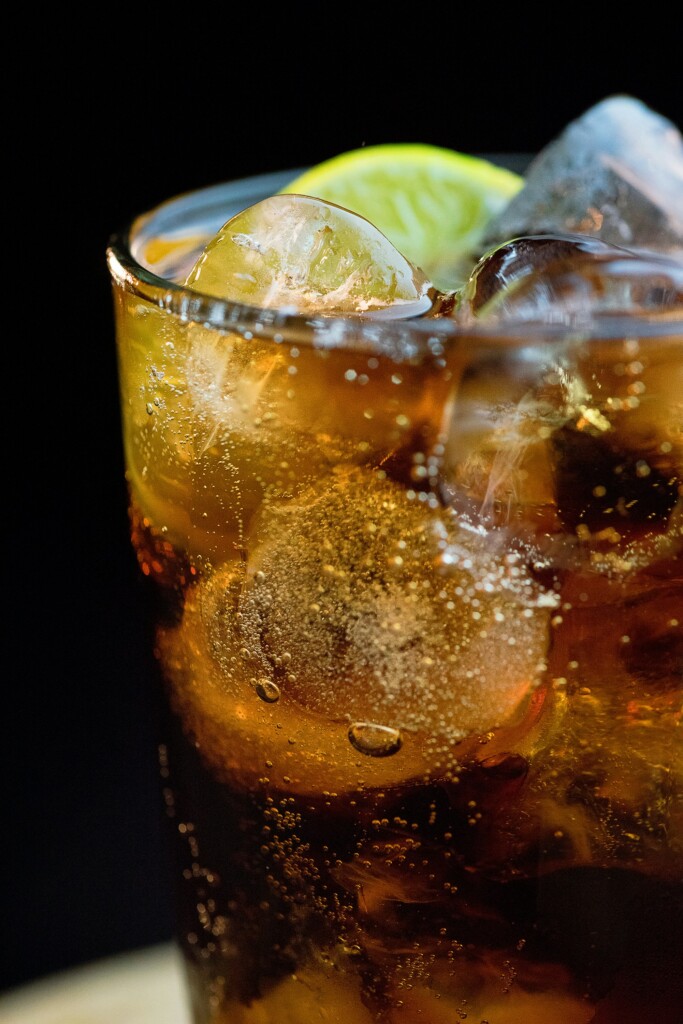
Then Utah took the Big Gulp and got creative. Cream. Coconut. Vanilla. Raspberry. Lime. Fruit purees. More syrup. More combinations. Entire businesses devoted not to food with a soda on the side, but to the soda itself. Dirty soda had arrived.
My significant one enjoys it occasionally, which I find particularly amusing because he pays attention to sugar in his food. He isn’t driving through Swig every afternoon. But put him in Utah in the middle of summer, when the temperature is pushing 100 degrees and the pavement feels like it’s radiating heat through the car, and suddenly dirty soda sounds very good to him.
I look at this concoction of already-sweet soda with more sweetness added to it and wonder why anyone would drink that voluntarily. Then I remember my caramel macchiato. I didn’t understand those either when I first came to America.
Starbucks introduced me to a world of Frappuccinos, caramel macchiatos and coffees loaded with milk, syrups, whipped cream and most of the time enough sugar to qualify it as dessert. This was very different from the coffee I knew. And then, slowly, I started liking some of it. Apparently the rest of the world did too.
Coffee shops everywhere began copying the American-style concoctions. Today I can return to my small hometown in Bosnia and order a caramel macchiato. Five years ago, that would be unheard of.
And now, on a difficult morning in Utah, I’m the woman ordering one half-sweet and carrying it carefully into my office with a shortbread cookie balanced on top. So perhaps I should have a little more sympathy for dirty-soda drinkers.
Filmmaker Madison Pope has spent the past year and a half talking to them. Her interest began when she was working with a Utah film crew in Texas. People would hear they were from Utah and ask about “the dirty soda thing.” Dirty soda had escaped Utah and become enough of a cultural curiosity that people elsewhere associated it with us.
Pope began interviewing soda-shop owners, employees and customers. She talked with psychologist Dr. Julie Hanks about sugar, caffeine and habits, and with Mormon historian Patrick Mason about the religious history behind Utah’s unusual relationship with beverages.
One thing she learned is that the familiar explanation that Mormons don’t drink coffee, so they drink caffeinated soda makes it a little too simple. Caffeinated soda was never formally prohibited by the LDS Church. Yet Pope remembers growing up in Logan where drinking it was a “no-no.” In other Mormon households, Coke was perfectly normal. Long before anyone added coconut cream to Dr Pepper, Utahns were drinking soda.
What dirty-soda shops changed was the experience around it. A soda became something you made a special stop for. You chose combinations. You had a favorite. You became a regular.
Pope found that last part particularly interesting. Soda-shop employees told her that many of their customers came back again and again. She began seeing these shops as a kind of “third space”, as somewhere outside home and work where people could have a small moment of connection. Employees recognize customers. Customers recognize them. Someone knows your order.
At first, I had trouble with that idea. A coffee shop is a third space. You sit there. You talk. At a dirty-soda shop, you’re sitting in your car. But then I thought about Bjorn’s. I don’t sit there either. I look at the dog pictures, get my coffee, wonder why do they ask me to leave 20% tip for handing me a cup of overpriced coffee, leave a tip because everybody else does, and leave.
The important part of my caramel macchiato happens several minutes later, when I reach work. It’s that moment when I sit down, breathe out, take the first sip and open the computer. The ritual doesn’t have to happen where you buy the drink. And Utah certainly knows how to turn soda into a ritual.
Pope encountered the extreme end of it in Steve, whose Instagram account, Life of a Soda Addict, documents his extraordinary soda consumption. She once joined him on a grocery run where he bought 60 12-packs—his supply, he said, for the next two or three weeks. Steve is obviously an extreme. But he also made me think about the Big Gulps I saw when I first came to Utah. Soda was already everywhere. Dirty soda didn’t create Utah’s love affair with fountain drinks. It dressed it up.
The gas-station Mountain Dew became a drink with a name, a recipe and a destination. Instead of buying soda because you were already getting gas, you drove somewhere specifically to get the soda. In that sense, Utah did to soda exactly what America did to the coffee I grew up drinking. It made it bigger. Sweeter. More complicated. More personal. And very profitable.
*Featured photo by David Foodphototasty on Unsplash