
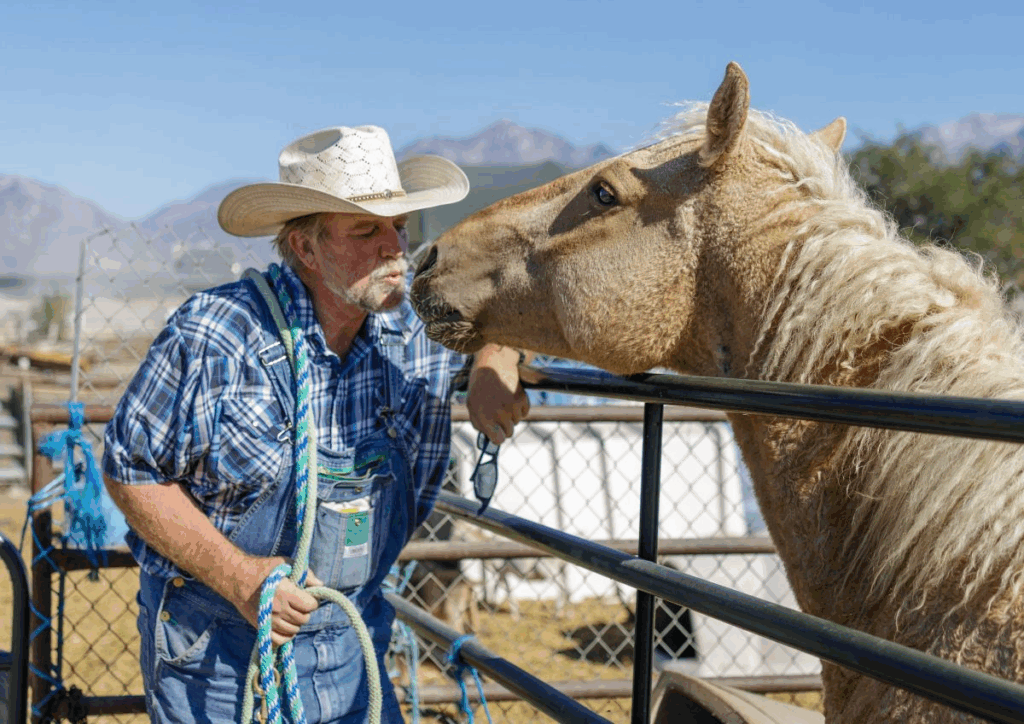
Gil Ma has been rescuing animals for 16 years. He’s rescued everything from emus to roosters and everything in between. He has collected a lot of experiences and stories during that time, but his favorite story involves eight rescued alpacas.
“I rescued the eight alpacas from a farm in Eastern Utah,” Gil says. They had been neglected and were in bad shape.”
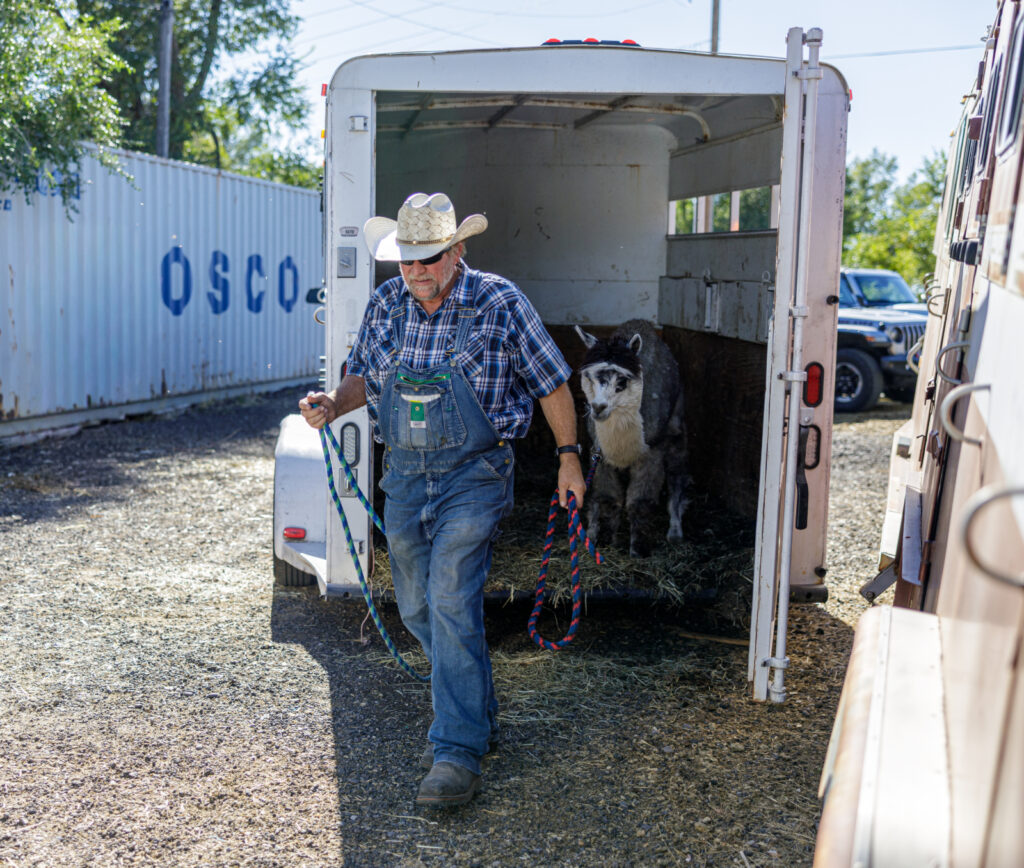
After rehabilitation, he began to train them and find them new homes. Gil decided to keep one of the animals to use in his therapy visits. He named her Prudence.
He explained that “alpacas are hypoallergenic and will only go to the bathroom in one spot, unlike goats that poop as they walk. They have fastidious bathroom habits.”
Gil trained Prudence to give kisses rather than spit as some alpacas do. “I can take them to assisted living facilities and the residents can pet them and get kisses. Prudence will signal me when she has to go to the bathroom and I just take her outside to the grass. She is my most fun girl.”
Gil is the owner of the non-profit Farm Animal Rescue, formerly known as the Farm at Gardner Village.
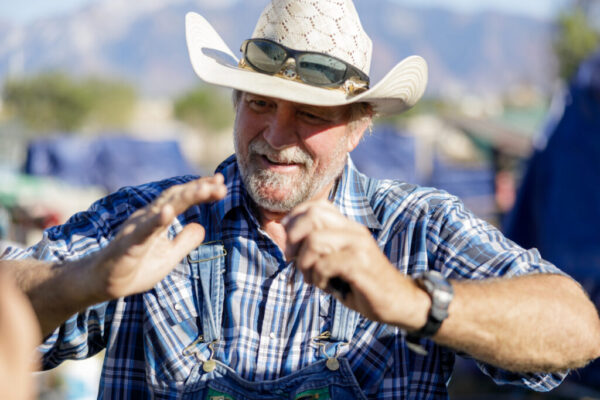
His adventure started in 2009 when he was volunteering at an animal control facility. At times, abused and neglected horses were brought in, and without the means to help them, the facility would euthanize the horses, some of whom were violent.
As a victim of abuse himself when he was growing up, Gil was deeply troubled by this. So, he decided to take action.
Gil bought a ranch, and with learn-as-he-went experience, he reached an agreement for the animal control facility to send the abused horses to him. He continued to volunteer at animal control. When an abused horse came in, “they would turn over the horse to me and I agreed not to sue them.”
He said, “I couldn’t just let it go. It was like giving a death sentence to the victim.”
When he was able to get the ranch, he started learning as much as he could, finding out that the most important thing was to make the animals feel loved and let them know they were safe. As word got out, his rescue started to grow with requests from the public and referrals from other animal control agencies.
In 2012, Gil was laid off from his full time job and had to find a way to turn an “expensive rescue hobby into one that paid for itself.” That’s when he went to Gardner Village with a proposal.
They agreed to let him use a corner of the property for a petting zoo and pony rides. It was a temporary situation that ended up lasting 12 years. He had since branched out from horses to rabbits, goats, pigs, cows, roosters, chickens, ducks, turkeys, and geese, and all farm animals. The only exceptions are exotic birds such as parrots and macaws. They are more susceptible to bird flu that can spread to other birds such as the emu, a bird that is considered livestock, that he once had.
Gil called this menagerie his Snuggle Zoo, because those that visited could interact with and pet and feed the animals. When Gardner Village decided to go another route, they tore it down to build something else.

Gil was able to purchase a new ranch to house the animals, but it wasn’t set up the same way Gardner Village had been, and it was no longer a commercial situation. To keep the rescue going, Gil had to get creative. He started taking the animals to the people rather than have the people visit them. He offers birthday parties and runs the pony rides at the state fair. He also does therapy visits at assisted living and memory care facilities, along with drug rehabilitation clinics.
He supplements the farm with his job at C-A-L Ranch Stores. “They are very supportive and flexible in giving me the time I need to care for the animals,” he says. But one man can only do so much. “I tried to do it all, but had to learn to trust other people.”
Volunteers are a wonderful part of the farm family that help with clean up, bottle feeding the babies, and administering needed medicine, among other things. He has about half-a-dozen regulars who come once a week, once a month, or as often as they can. And other volunteers come from youth groups looking to offer service. He has 20 kids from Juan Diego High School coming in October to help him winterize the farm.
Another source of help comes from people who need to complete community service. “As much as I love the animals, it is more about the people. We rescue the animals and they rescue the people.”
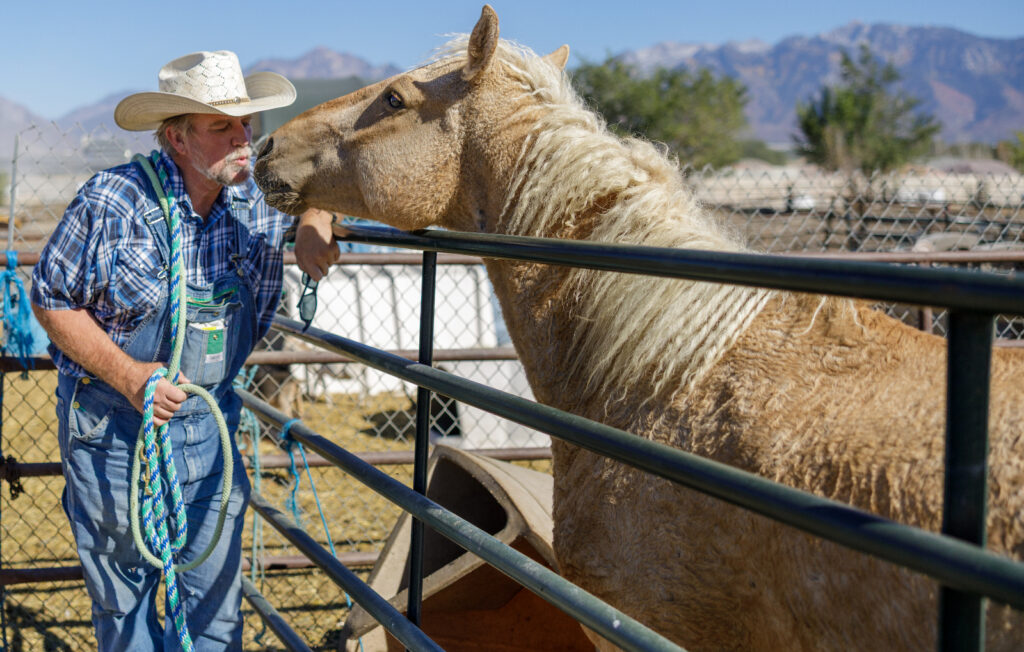
Gil sees those hardened by life come in, and after interacting with these animals, they soften and start to heal. “A lot of people in the court system are abused and their behaviors are coping mechanisms. Working with the animals teaches them new coping skills. The best way to heal is to do something for someone or something else. It gives them a place to come and a purpose. I’ve seen them become contributing members of society. That’s why I keep doing this.”
Gil’s philosophy is that we are not here to see how much we can accumulate. We’re here to help each other. Helping animals. Helping others.
He sees all kinds of people with all kinds of problems. Some are suicidal. Others are depressed. Some are just looking for a connection. People who are living rough lives are just looking to feel valued, accepted, and needed. He will sometimes get calls in the middle of the night. “I need goat therapy. Can I come to the farm?” someone will ask. His answer is always yes, and the farm is always open for those who need to cuddle a goat.
The Farm Animal Rescue is a rescue, rehabilitation, and rehoming facility, not a sanctuary. The idea is to get animals into a situation where they can thrive. Gil’s goal is to find a place where he can open back up commercially to help defray the costs.
“I always seem to find sources of revenue and it all works out in the end,” he explains. ”We stay afloat and there are many miracles. Just when a bill is due, someone will pull up with a check or an envelope of cash just when it is needed.”
Volunteers and donations are always needed. Anyone interested can visit the website at where there are links for both volunteer and donation opportunities. Or, just give Gil a call at 801-706-8189.
“It’s not about making lots of money, but making a lot of difference. As long as we can keep doing that we will keep going,” he says.
Farm Animal Rescue is located at 1300 W 7911 S, (7897 S if you pin it with the entrance between the train tracks) in West Jordan. Tours and rescues are by appointment.
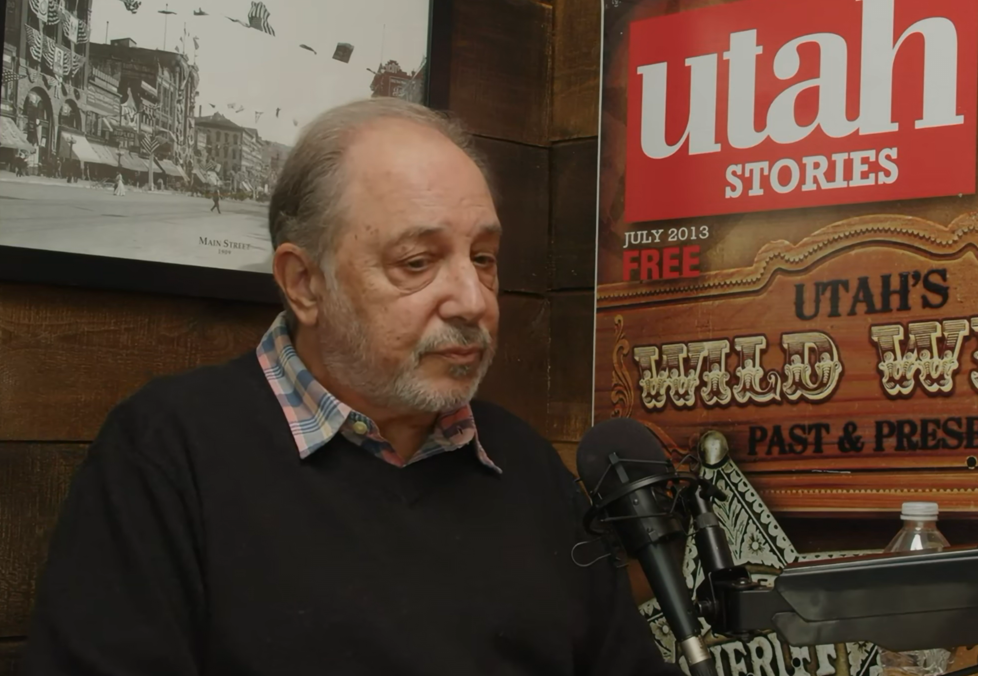
Feature Image of Gil Ma, founder of Farm Animal Rescue. He is dedicated to giving abused and neglected animals a better life. Photos by John Taylor.