
When tariffs quietly crept from 12 to 32 percent, Scott Brown’s small Utah company was caught in the crossfire. He wasn’t selling luxury cars or tech gadgets—just a backyard game dreamed up in a garage. But as manufacturing costs skyrocketed and U.S. factories shrugged him off, one thing became clear: survive, or vanish. This is what it really looks like when policy hits the little guy.
The Real Impact of Tariffs on Small Utah Businesses
When tariffs quietly crept from 12 to 32 percent, Scott Brown’s small Utah company was caught in the crossfire. He wasn’t selling luxury cars or tech gadgets—just a backyard game dreamed up in a garage. But as manufacturing costs skyrocketed and U.S. factories shrugged him off, one thing became clear: survive, or vanish. This is…

|


Join our newsletter.
Stay informed.
Related Articles
-
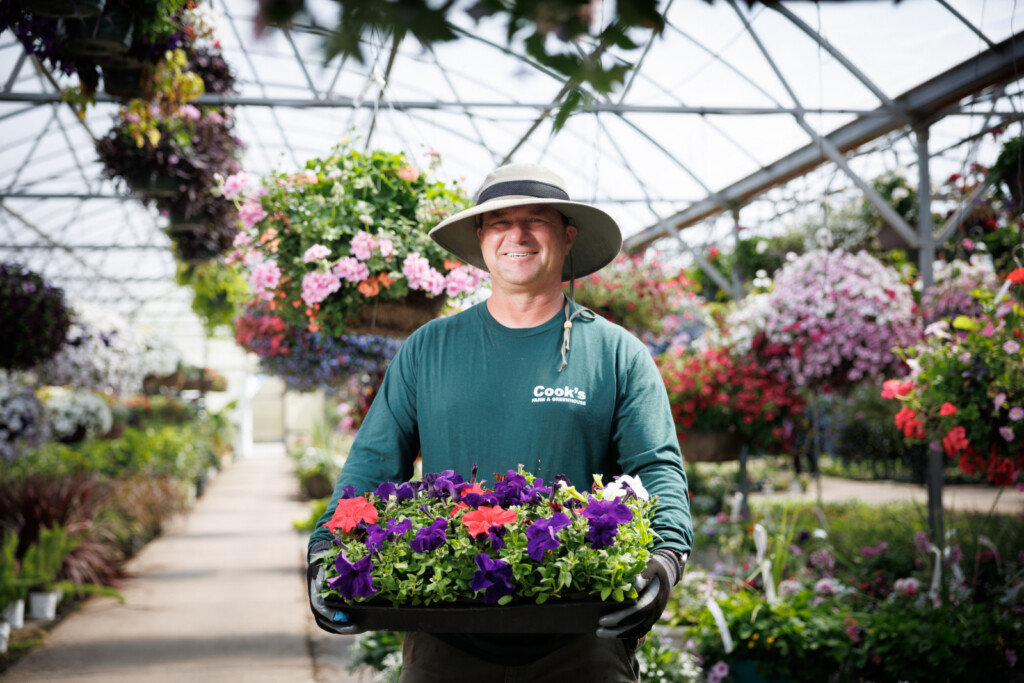
The Utah Farm That Refuses to Give Up as Development Closes In
Running a farm is hard enough, but rapid city growth makes it even tougher. More than a decade ago, the late Verl Cook faced a series of staggering hurdles that threatened to wipe out his family’s livelihood.
First, the city decided to treat the Cook’s greenhouse — the most profitable part of the farm — like a big-box retail store. They demanded the family build a paved parking lot, a project that would cost $200,000.
-
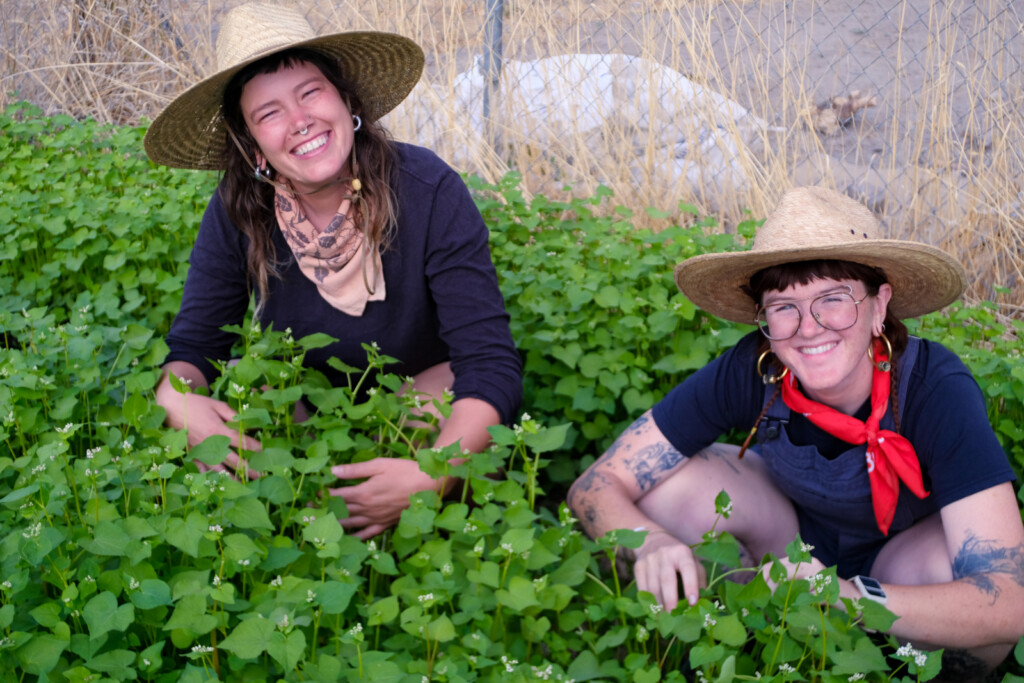
Future Craft Farm Launches First CSA Season in Salt Lake City
Hall and Scheig found their land last June and broke ground just two months later, transforming what was essentially a blank canvas into a diversified market garden. This year marks their first full growing season, and they’re launching it with a community supported agriculture program, or CSA. CSAs allow people to support local growers by purchasing a season’s worth of produce upfront, giving farmers the financial stability they need during the most expensive part of the year.
-
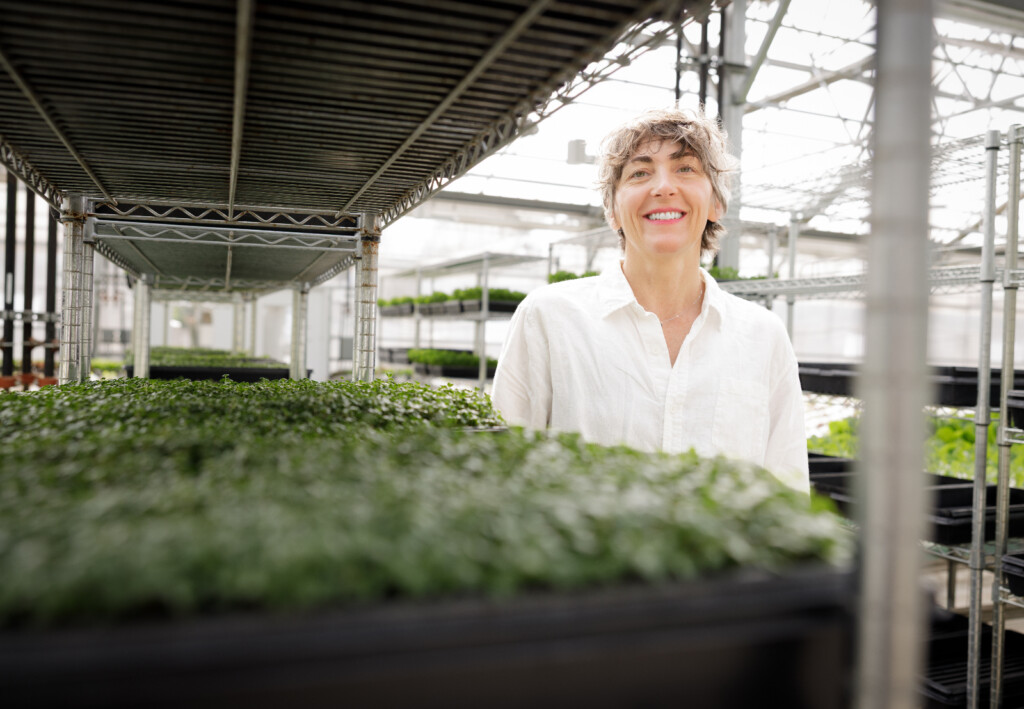
Farm-to-Table in Utah: Why More People Want to Know Where Their Food Comes From
When was the last time you plucked a chicken? How about threshing wheat or milking a cow? For most people today, the answer is never. What used to be a daily survival skill has slipped into the history books, while farmers, ranchers, and a multitude of other hands continue to prepare, package, and produce the food we buy at the grocery store.
-

Salt Lake City’s 999 Ride: Inside Utah’s Largest Social Bike Ride
The boisterous energy that characterizes most of the 999 Ride’s participants is a result of the long-established bonds and trust they’ve all helped to build within the local cycling community.