Located a short drive from downtown Ogden lies the Ogden Valley, known for its sprawling Pineview Reservoir and as the gateway to three ski resorts. In many ways, the valley still feels rural, with cows and horses grazing in open fields and wild turkeys roosting high in conifer trees. Now, in an effort to preserve the rural feel, key community partners are coming together to preserve the night skies in the valley.
For centuries, human fascination with the night sky has driven scientific inquiry and inspired art. However, according to a recent NPR report, 99 percent of people in the US can’t see the Milky Way due to light pollution from metropolitan areas. As a result of this light pollution, communities across the globe are working to find ways to bring back the night sky in all its stellar glory.
In the Ogden Valley, the community recognizes the value of maintaining low light levels for both astronomical tourism and the local ambiance. Even as the area grows, the community prioritizes preserving its dark sky, often through simple yet effective lighting design choices. Many street lamps in the valley are aimed downward to keep the light where it’s needed, not spreading out to the sky above.
Nature and the Night Sky
North Fork Park, nestled in the corner of the Ogden Valley, stands as one of the best places to see the night sky in Northern Utah. Designated an International Dark Sky Park in 2015, it boasts scenic trails for hiking and Nordic skiing, but its most compelling feature comes out at night. In winter, visitors can partake in Moonlight Glide events, where skiing under the full moon becomes a communal experience. Hot chili and brownies, often shared among attendees, add a touch of local hospitality.
Jennifer Graham with Weber County Parks says designating North Fork Park as a dark sky park has been beneficial for residents.
“Weber County residents have always known that North Fork Park was a special place,” Graham said. “The long-term benefits of being a Dark Sky Park will assure that the park continues to be the rustic refuge for so many along the Wasatch Front.”
Beyond the Park
Ogden Valley’s commitment to preserving its dark skies extends beyond North Fork Park. Local businesses and residents recognize the value of maintaining low light levels for both astronomical tourism and the local ambiance.
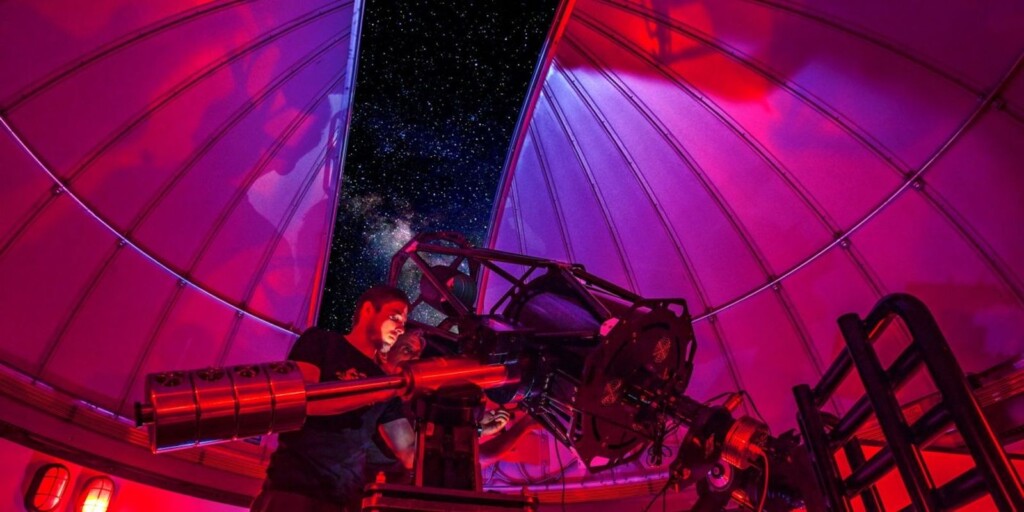
The Compass Rose Lodge in Huntsville boasts a one-of-a-kind Astronomic and Lunar Observatory, or HALO. The facility provides nightly tours featuring an 11-inch Celestron Edge11 HD telescope, offering clear and focused views of numerous astronomical objects. Visitors and guests at Compass Rose Lodge can schedule a tour with the staff to view the cosmos like scientists do.
The Observatory’s 16-inch aperture telescope is designed with shaped mirrors that are similar to the Hubble Space Telescope, which offers an exceptional view of objects. The telescope is also perched on a Paramount mount, which provides a great degree of accuracy when tracking celestial objects.
Scott Taylor, who runs the observatory tours for the lodge, says the observatory is unique and helps people understand the importance of the night sky.
“This is one of two or three astronomical observatories connected to a hotel in North America,” Taylor says. “The quality of images and what you see here is pretty jaw-dropping.”
Dark Skies and the Economy
Preserving dark skies has a positive effect on local tourism, extending visitor stays and increasing spending in the area. Day-trippers are often enticed to spend the night as well, taking advantage of local lodging and dining options.
For businesses like Compass Rose, having an added highlight to their lodge helps them stand out and makes for a great mini vacation.
“I missed having to serve in wars during my lifetime, so I’m lucky,” says owner Jeff Hyde. “But we didn’t miss the war that hit hotels the most; the COVID war. We’re lucky to have the observatory and the community around us that supports us any way they can.”
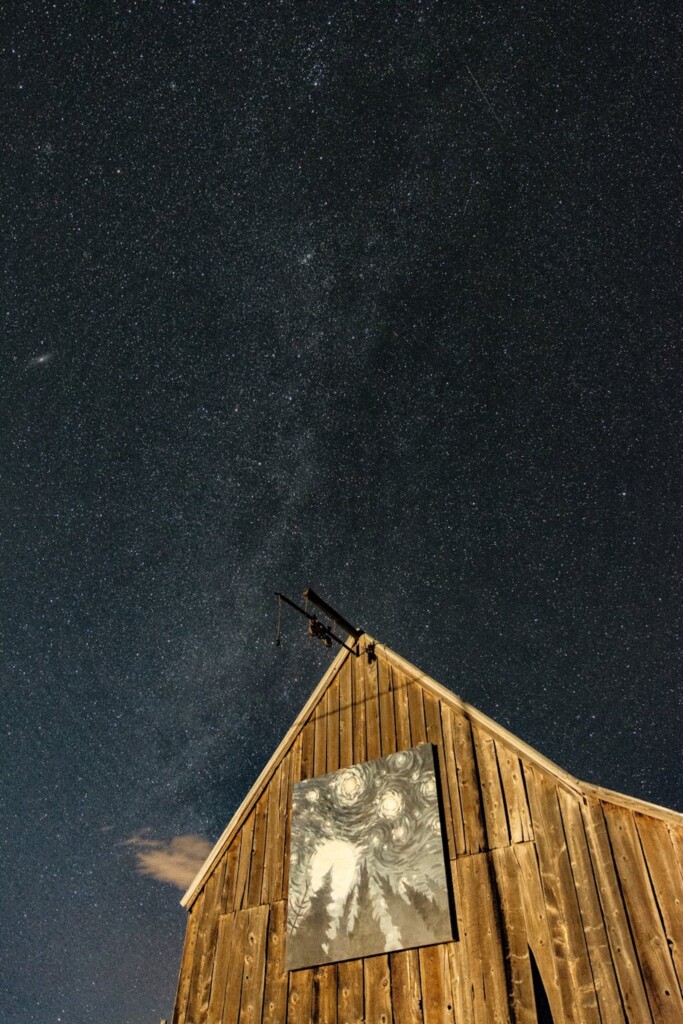
Featured image of a painted barn in Huntsville, Utah, courtesy of Visit Ogden.