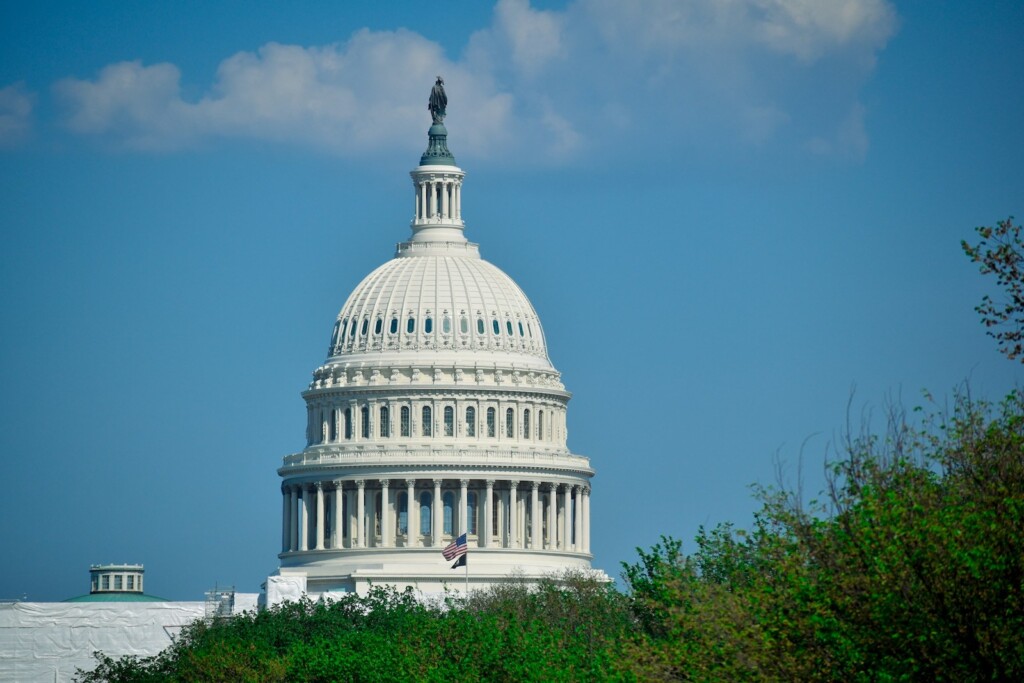


Turning on cable TV is like watching a Gladiatorial battle in a pit of vipers, with accusations that the opposition is “destroying democracy!” Or “staging an insurrection!” Or “trying to destroy our institutions!”
What if these fights are manufactured just to get our attention? What if these constant attacks and national narratives are just a distraction or a smoke screen taking our brain power away from important matters? What if the elites on the left and the right are essentially the same, and the titans of corporations and the government are in cahoots and are the ones really controlling things?
This is what some of the most popular podcasters I sometimes listen to are saying. What if this constant battle of left vs. right — liberals vs. conservatives — isn’t really a battle but a charade? While I’m not certain this is true because indeed the Conservatives and Liberals do in fact have different values and priorities, sometimes these priorities and values seem to get muddled in the vitriol of the fight.
While I certainly think there are major differences between the left and the right, it doesn’t feel like these differences are hammered out through thoughtful and meaningful debates. It no longer feels like the goal of either party is to provide the best possible policies or decisions for the American public, but rather, to stand firmly against whatever the opposition is in favor of.
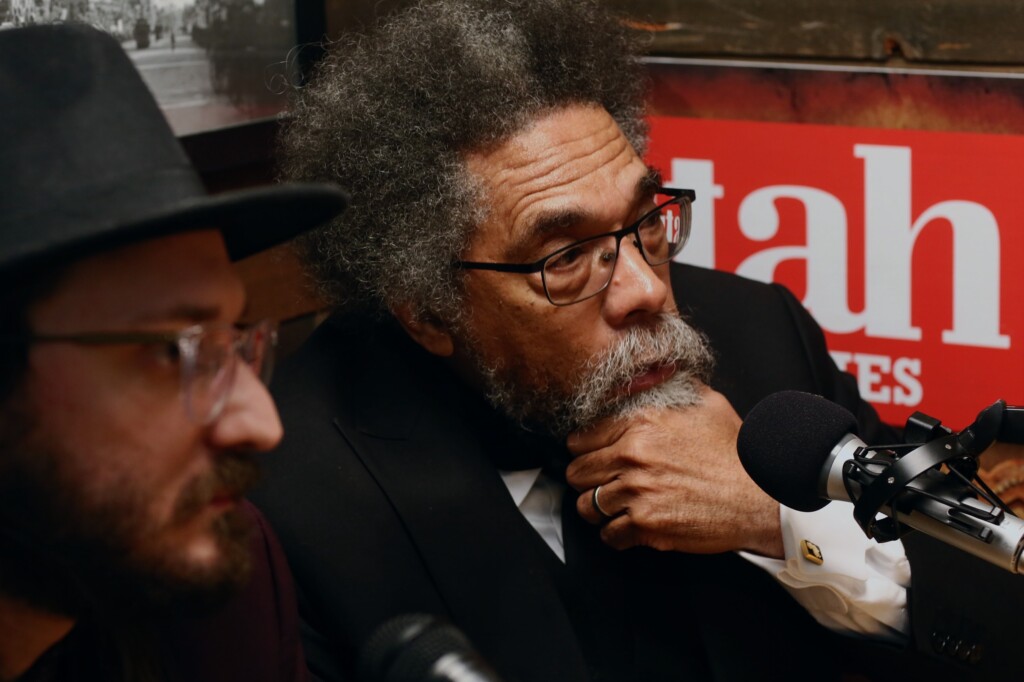
It also doesn’t feel as if the networks are interested in finding the truth and facilitating public discourse. When presidential candidate and commentator, Dr. Cornel West, was on the Utah Stories podcast, he said, “something is rotten in the state of Denmark.” West calls the parties a “duopoly”. Both parties, he believes, are essentially controlled by giant corporate powers, and I now agree with him. It is largely the corporate interests who are actually controlling the agenda in Washington.
The networks operating in their respective echo chambers engage in faux public discourse because that’s what attracts their base of support. Because, let’s face it, most people are closed-minded. Most people don’t want to hear both sides of a debate. Most viewers, especially those in their sixties, are more interested in confirming their own biases than having their long-standing opinions challenged.
The race to gain eyeballs through narratives of ongoing, non-stop, constant hysteria, is a formula that is finally wearing thin on the American public. Younger viewers especially, are tuning out of cable TV and tuning into streaming content. Cable TV is losing viewers and paying subscribers rapidly. According to Nielsen Ratings, broadcast and cable TV now make up less than half of the viewers of programs.
The average age of Fox and CNN viewers is now 68 years old. It’s mostly geriatrics who find their opinion-driven “news” interesting. The vast majority of news consumers now get their content from streaming services such as Netflix, Hulu and YouTube podcasters. This is good in that perhaps more citizens will learn the truth rather than just the corporate-sponsored media narratives. But there is also a negative because how can we maintain any semblance of a “national conversation” if everyone is watching their own pundit or influencer who may be less interested in actual facts and more concerned about pushing a personal agenda?
Wouldn’t it be a better use of our attention to watch what is happening on a local level than to believe that watching Sean Hannity continue to play clips of Joe Biden stumbling down steps is a good use of our time?
Why not recognize that we have more in common with our neighbors and each other than we realize? I’ve always found that when I sit down and speak face-to-face with nearly anybody who I might initially disagree with, I almost always find that I have more things in common with them than not.
Last summer, on a five-day river rafting trip down the Green River, I met a man who operated a travel agency that mostly helped tourists and former Cubans go back and visit Cuba. It turned out he was a pro-Fidel Castro Communist. I suppose it’s the reporter in me that was fascinated by him. I’m always interested in learning why people think the way they do.
I wanted to understand how and why Bob thought Castro’s brand of communism was the answer to peace and prosperity, despite the obvious fact that it has failed everywhere it has been implemented (including Cuba).
While I never did understand Bob’s political point of view, what I could see is that Bob deeply cared about people. He and his wife Sue and their grandchildren were nice, caring people. I genuinely enjoyed their company. So a libertarian and a socialist can get along on a river trip.
Maybe our political leaders should go down the Yampa or through Desolation Canyon and debate the most pressing issues before they determine that the other side is “destroying democracy” and has evil intentions. Simple acts in life, such as floating a river, going on a walk or a hike, or riding a bike, are the reasons why so many people are moving to Utah. Why not embrace this? Why don’t we all engage more with the physical world around us in 2024?
Engaging with people face-to-face is far superior to debating online trolls. My call is to turn off the noise and tune into the actual physical world around us. It’s a pretty nice place.
Feature Image at Antelope Island by Golda Hukic-Markosian.