Community Relations

Salt Lake City Businesses that Closed and Businesses that Thrive

The downtown Salt Lake City retail and restaurant marketplace has seen some big shake-ups since the end of lockdowns. 

|


The downtown Salt Lake City retail and restaurant marketplace has seen some big shake-ups since the end of lockdowns. 

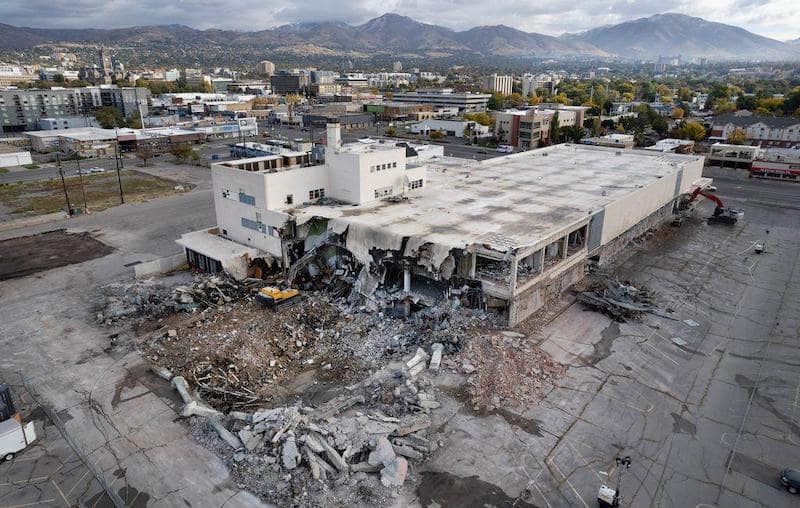
The demolition of the former Sears, which bookended State Street for over 65 years, now leaves a very large visible void. But State Street has seen some positive developments. iconoCLAD clothing  (which offers costumes and clothing for festivals and raves) opened their second location at 855 State. A new coffee shop, Merch Coffee at 1550 South State, opened by Adam and Shelby, now serves the area and SLCC South campus students.

State Street was once the place for pawn shops. Now there are none north of 2100 South. But State Street now has a medical cannabis shop Dragonfly Wellness (card-holders only). 

There are now two vegan houses and several tattoo parlors. State Street used to be where young driving-age kids would “drag state.” A friend of mine met his wife doing that. Is that still a thing? But maybe the appeal of The Fast & The Furious has waned.

The number of restaurants that have closed downtown is very sad: DP Cheesesteaks, Medici Pizza, Les Madeleines and Indian Street Food that only lasted a year on 200 South has been replaced by Laziz Kitchen. 
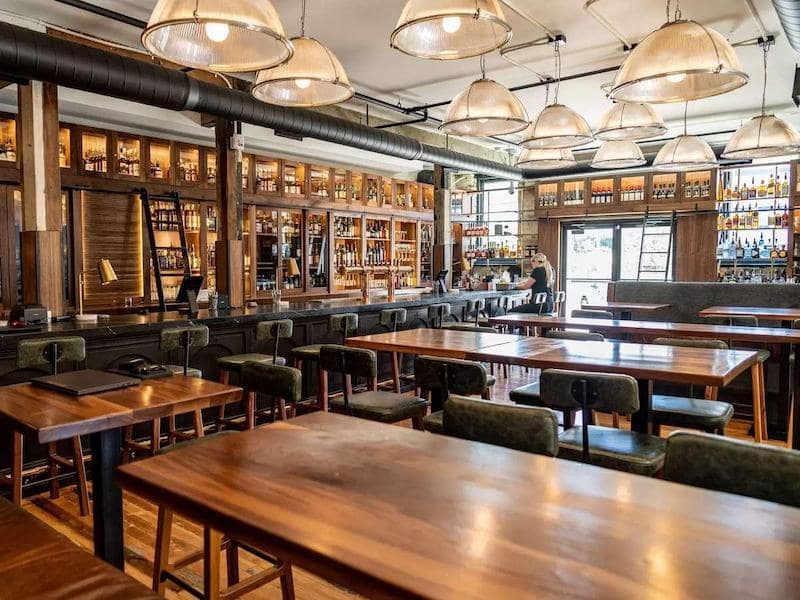
Franklin Avenue on South Edison Street.

New restaurants have popped up, including the latest creation by the Bourbon Group, adding yet another stellar eatery on 231 South Edison Street called “Franklin Ave.” in the former Salt Lake Harold building where there was once a theater with a famous trap door which led to a bar. It’s a great upcycle of historic architecture.
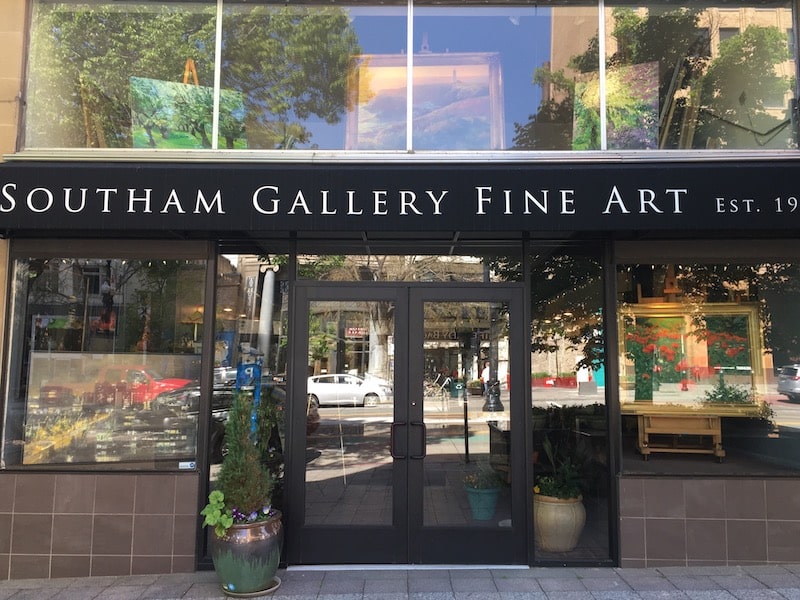
Photo courtesy of Kimberly Southam.

The sad departure of the Pantages Theater leaves a void on Main Street, but the street is showing renewed life and vitality despite the sad losses to the businesses that were demolished along with the Utah Theater: Reggae Roots, Ary’s Barbershop and Beckett & Rob custom suites (although they still have a location in Sandy). Read about the moving of Southam Gallery

Sadly, both art galleries on Main have closed. Hope Gallery, a true “hidden treasure” of Salt Lake, also closed in the historic Tracy Loan and Trust Company Building. While the works of Danish master oil painters can no longer be viewed on Main Street, the building will soon become another upscale restaurant under the Pago Group.

Subscribe to Utah Stories weekly newsletter and get our stories directly to your inbox

* indicates required


, , , ,


Join our newsletter.
Stay informed.


  • Ritual Chocolate Tasting Class in Heber City: Inside Utah’s Bean-to-Bar Factory

    Inside Ritual Chocolate’s Heber City factory, guests learn how to taste chocolate like professionals during weekly bean-to-bar classes. From Madagascar’s bright citrus notes to savory pairings with olive oil and smoked salt, the experience blends science, craftsmanship, and Utah creativity into one unforgettable night.


  • Has Utah’s Soft-on-Crime Justice Reform Made Communities Safer?

    Has this “soft-on-crime” approach resulted in safer streets?

    SALT LAKE CITY — A decade has passed since former Utah Governor Gary Herbert signed a massive justice reform bill into law in hopes that the state could reduce its prison population and manage low-level offenders through rehabilitation programs instead of incarceration. Has this reinvestment resulted in lower crime and recidivism rates?

    According to the Utah Department of Corrections, that landmark Justice Reinvestment Initiative aimed to “continue holding offenders accountable and securing our communities, but in a way that considers individual risks and treatment needs.”

    Are communities really safer when mental health and substance use needs are addressed through programs administered outside prison walls? The idea was to treat criminals differently based on their mental health needs and backgrounds. But at least one retired Adult Probation and Parole Officer, believes this “soft-on-crime” approach hasn’t resulted in safer streets.

    LOOKING BACK

    State Senator Todd Weiler, in that legislative role since 2012, helped drive the passage of the Justice Reinvestment Initiative (JRI), a massive bill that enjoyed broad-based approval among state officials and the Legislature as a whole.

    In November 2014, Weiler attended the national summit on the issue in San Diego, an event hosted by Pew Charitable Trusts. 

    “I was very involved in it. We had a lot of high hopes,” Weiler, a Woods Cross Republican, said in a recent interview. “That was about the time we were finalizing plans for the new prison. And we actually said that because of JRI we don’t need as many beds because we’ll be incarcerating fewer people. So that new prison was designed with this idea.”

    A key part of JRI dealt with adjusting sentencing for crimes related to addiction, dividing offenders into two basic groups: dangerous criminals who are a threat to society (that group goes to prison), and low-level offenders who get help kicking addictions through state-sponsored programs or private-sector rehabilitation.

    “The ultimate goal was if we have an otherwise good person who got caught up in an addiction, and as a result committed crimes, they need to be punished for their crimes,” Weiler said. “It’s not that we’re going to overlook what they did, but we wanted to focus primarily on helping them overcome their addiction and [that means] getting them back to their job and their family.” 

    Before JRI, low-level drug offenders with felonies would spend years in prison, which wreaked havoc with their lives and future prospects. Addressing the root cause of their theft and property crimes through supervision and treatment made sense. 

    “We’re all imperfect people,” Weiler said. “So we want people working their jobs, paying their bills and raising their kids rather than sitting in jail and watching TV or playing cards.”

    To access this post, you must purchase Utah Stories (Digital + Print) or 3 month free trial (Digital).


  • Salt Lake City Newcomers Club: Finding Friendship and Belonging Since 1948

    Moving away from your hometown can come with many blessings. But for some, it also comes with just as many bouts of loneliness. That ache of not knowing where to meet people, or grieving the friends you left behind, comes in waves. Workplaces and churches can sometimes provide ready-made communities, but what happens when they don’t? Where do you go to find true belonging?


  • Highway 6 and the Midland Trail: Utah’s Transcontinental Highway History

    From Price Canyon to Delta’s desert stretch, Utah played a central role in building the Midland Trail, one of America’s earliest transcontinental highways and the foundation of today’s Highway 6.