Answered by Utah’s Foremost State Auditor
$200-$300 million is spent every year on Utah’s homeless services. Is this money reducing homelessness? Utah State Auditor with 36 years of experience says “No”.
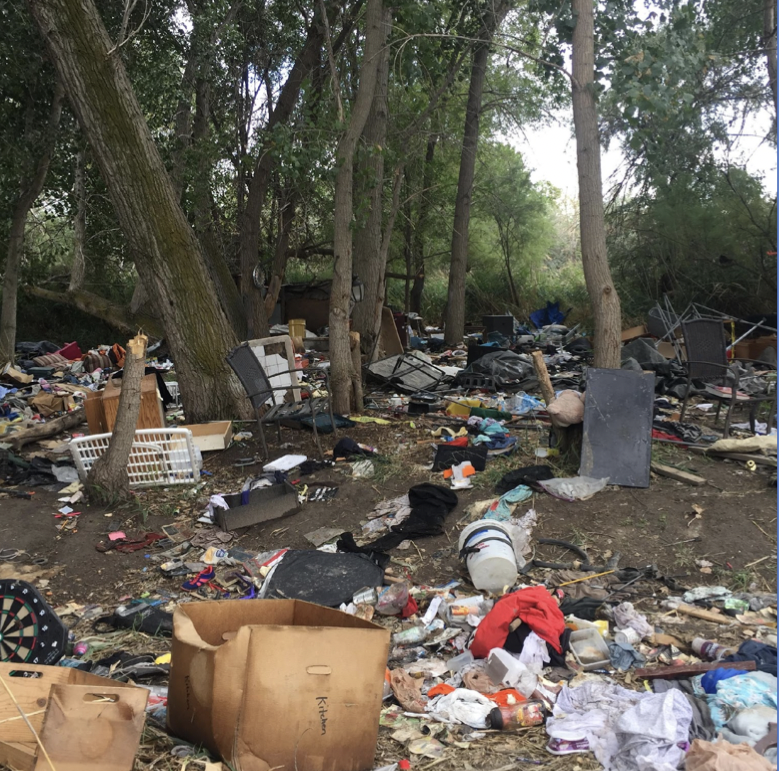
Should the Homeless in Salt Lake City be allowed to camp all day in our parks and on the sides of the streets? Use drugs in front of businesses? For the past few years, Salt Lake City has been saying “yes”. Residents have agreed because there is not enough shelter space. But as neighborhoods around resource centers are becoming more crime-ridden, blighted, and full of blatant abuse of the law. Residents and business owners are beginning to speak out.
Jim Buhanin is the Executive Director of the Pioneer Park Coalition which believes that it will soon be time for police to enforce public camping for the unsheltered homeless. Their choice will be go to a sanctioned campground, use rehabilitation services or go to jail. The PPC’s Grand Plan is to open a sanctioned campground for the homeless as well as a “transformational Center” similar to Haven for Hope.
On episode 119 of the Utah Stories Show, we drill down to the specifics of both the good and the bad of the Pioneer Park Coalition’s Plan.
The bad was demolishing and selling the land that the former Road Home was located before determining if the new homeless resource model was viable. The good is having something other than the obviously failing system of the resource centers and long-term supportive housing that is currently in place. The bad is the underfunded system that offers little to no support for the homeless who are so obviously in critical need of services to treat mental illness and addiction.
More resources are certainly needed, but Buhanin says these resources need to be accounted for. “The money will be available, as long as we know the services are “changing people’s lives.”
More on the Pioneer Park Coalitions’ long-term vision and plan can be found here.
RELATED CONTENT
Rampant Crime is Forcing Residents to Leave Ballpark Neighborhood in Salt Lake City
Crime Rate Soaring in Salt Lake Neighborhoods with Homeless Resource Centers

SUPPORT LOCAL JOURNALISM AND SUBSCRIBE TO PRINT MAGAZINE