Fun Guide

Five Things You May Not Know About Utah: Cultural Quirks and Fascinating Facts

Despite what you think you know about Utah, here are five things about Utah you may not know.

|


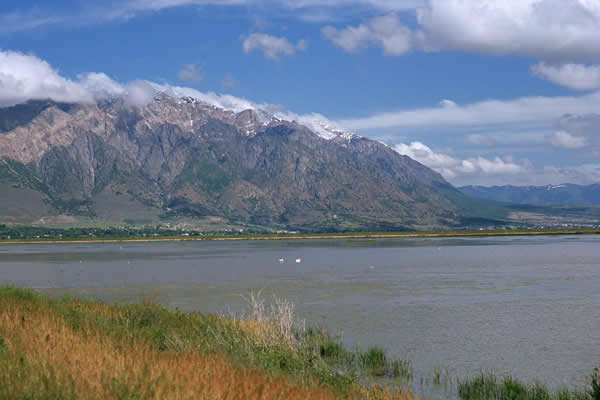
Utah is known the world over for a number of reasons. Most notably, Utah is famous for its stunning scenery, almost limitless outdoor recreation opportunities, world class Olympic venues, the greatest snow skiing on earth, the largest saltwater lake in the western hemisphere, the Sundance Film Festival, and for the five national parks which highlight our incomparable red rock landscapes.

Above all, Utah is known as the home of the Church of Jesus Christ of Latter-day Saints ― aka the Mormon Church. This fact alone brings notoriety both good and bad. On the upside, we are the state most known for volunteerism, the highest rate of charitable giving in the nation, a higher-than-average quality of life, an educated workforce with a strong work ethic, and lower-than-average crime rates.

On the downside, Utah’s repressive, ultra-conservative political climate is also widely known, especially to anyone who enjoys a drink now and then, or who has liberal leanings and doesn’t mind being politically disenfranchised.

But despite what you think you know about Utah, here are five things you may not know:

We have a state cooking pot

Due to their usefulness to the early Pioneers, the legislature designated the Dutch oven as Utah’s official cooking pot in 1997. (Yes, we are the only state that has an official cooking pot.)

We dig our dinos!

More than 600 different species of dinosaurs have been discovered at the Cleveland-Lloyd quarry in Emery County, making it a treasure trove for paleontologists, and the world headquarters of ongoing dinosaur discoveries for more than 100,000,000 years! Some of these prehistoric creatures have been found nowhere else on earth. One of the most prolific, the Allosaurus, was designated as Utah’s state fossil in 1988. Vernal, in northeastern Utah, is another dinosaur hotspot where you can take the kids for a day of dino indulgence.

How dry we are

With only 11 inches of average precipitation per year, Utah is the second driest state in the nation. Only Nevada is drier. Much of Northern Utah’s annual rainfall is the result of “lake effect” storms generated by the Great Salt Lake. With the lake at an all-time low, drought conditions statewide, and a growing population, Utah’s water future looks bleaker than ever. In fact, it may be time to ditch that thirsty suburban lawn and replace it with drought tolerant, native vegetation.

Pando

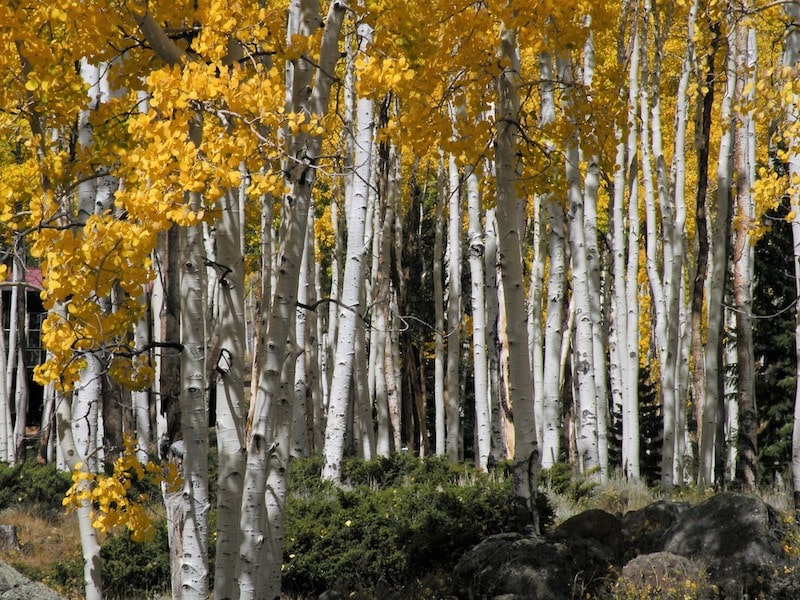
In the Fish Lake National Forest in south-central Utah, there lives a leafy giant. Pando is a male clonal colony of individual quaking aspen composed of 47,000 genetically identical trees that share a single underground root system, making it the world’s largest known living organism. Sadly, Pando’s long-term survival is uncertain due to human interference such as cattle grazing, climate change, and pollution.
Renewable electricity

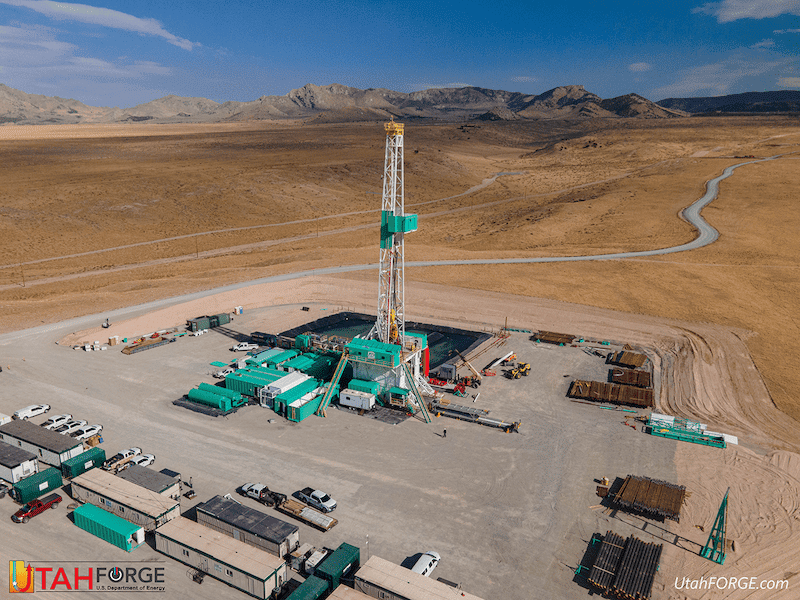
In Milford, a project known as FORGE (Frontier Observatory for Research in Geothermal Energy) will soon transform hot, underground rock into a renewable source of electricity. There is enough geothermal energy trapped in rock and deep sediment beneath the US to generate more than 5000 gigawatts of electricity ― five times the amount currently generated by all US power plants ― and researchers in Utah are at the forefront of making it happen.

There are lots of other things you may not know about Utah, just waiting for you to discover them. As our license plates used to say, Utah really is “A pretty, great state.”

RELATED CONTENT:

Utah was Land of Dinosaurs: Utah’s Natural History is Older Than Dirt

Five Things in Utah That Need To Go

Utah’s Top Five Strange Creature Encounters

5 Hidden Utah Outdoor Adventures You Must Experience


SUPPORT LOCAL JOURNALISM AND SUBSCRIBE TO PRINT MAGAZINE


Subscribe to Utah Stories weekly newsletter and get our stories directly to your inbox

* indicates required


, ,


Join our newsletter.
Stay informed.


  • Left in a Box as a Baby: Trauma, Alcoholism, and Addiction

    A man abandoned as a baby builds a structured life in law enforcement, but unresolved trauma and alcoholism slowly begin to unravel it. His story raises a harder question about how change actually happens.


  • Cottonwood Heights Corruption Allegations: A Case That Never Reached a Courtroom

    A year ago, we here at Utah Stories recorded a podcast episode that we never published. We were revisiting corruption allegations from ten years ago. We decided not to publish the video, so it sat there on YouTube for nearly 12 months.

    Then somehow the video was published. How? We are not sure, but once it got out there, the comments came pouring in.

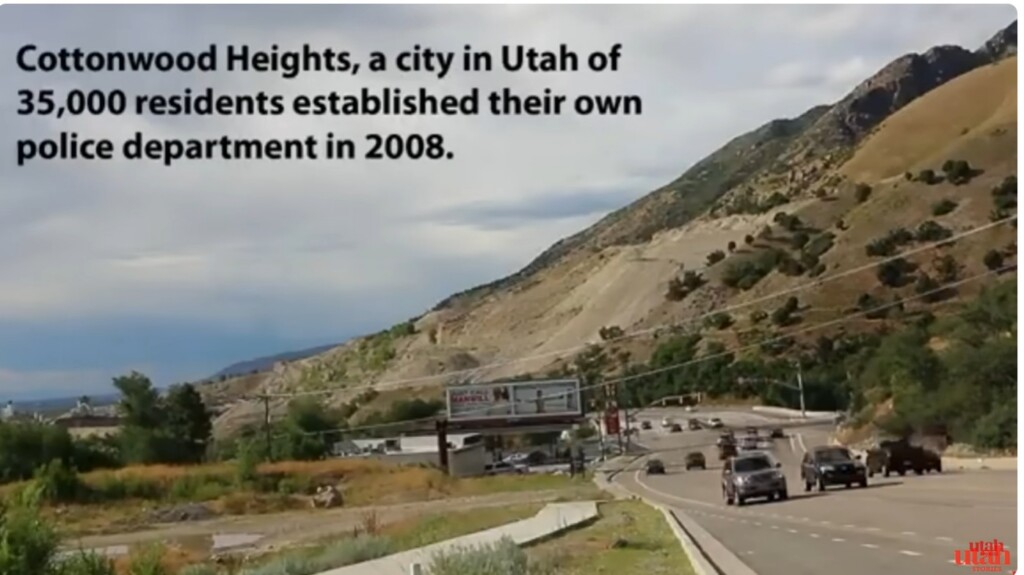
    Dozens of viewers, then hundreds, supported the video with their comments on our examination of allegations of police misconduct in Cottonwood Heights. The video recounts how the Police Department was reported by business owners as focusing enforcement on customers of the former Canyon Inn bar. These allegations did not result in a publicly documented, full investigation by Utah’s Justice Department nor the FBI (at least to our knowledge). So why rehash the past?

    We believe the story of The Canyon Inn (and other area business owners) vs. CHPD and Cottonwood Heights Mayor Kelvin Cullimore raises questions about what can happen when allegations surface and do not move forward through a formal legal process with state or federal oversight.

    In 2012, Cottonwood Heights business owners at the mouth of the canyons began publicly objecting to police activity whereby up to seven cruisers were pulling over 711 and Canyon Inn bar customers on their busiest evenings.

    According to those accounts, drivers leaving the bar were frequently pulled over by police and were given DUI tickets, sometimes even after passing a sobriety examination. The volume and concentration of those stops led residents and business owners to complain about the “heavy-handed treatment” of CHPD toward motorists, especially in and around the Canyon Inn and neighboring 711, and eventually the Porcupine Pub.

    Customers responded in predictable ways. Some chose not to return and avoid the area. Others went to different establishments. Over time, the owner of the Canyon Inn, Jim Stojack, stated that his revenue declined by 70% and that he believed police activity near his business was the main contributing factor.

    Utah Stories reported on these concerns by conducting interviews; gathering video documentation provided by those involved; and making public records requests. Through our GRAMA requests, we reviewed DUI citations issued by the Cottonwood Heights Police Department and examined how those cases were resolved in Holladay Justice Court. During that period, we observed a higher number based on our review of DUI cases dismissed in court due to lack of evidence compared to other jurisdictions. One DUI attorney, Tyler Ayers, went on record saying that CHPD was issuing a high volume of DUI citations that were later dismissed.

    That observation raised questions about how cases were being documented and prosecuted. It did not, on its own, establish intent or misconduct, but it became part of a broader set of concerns raised by multiple sources.

    Continue reading and support independent Utah journalism with a purchase of Utah Stories (Digital + Print) or 3 month free trial (Digital).


  • The Perfect Girls’ Day in Park City: Brunch, Shopping, Spas & Nightlife

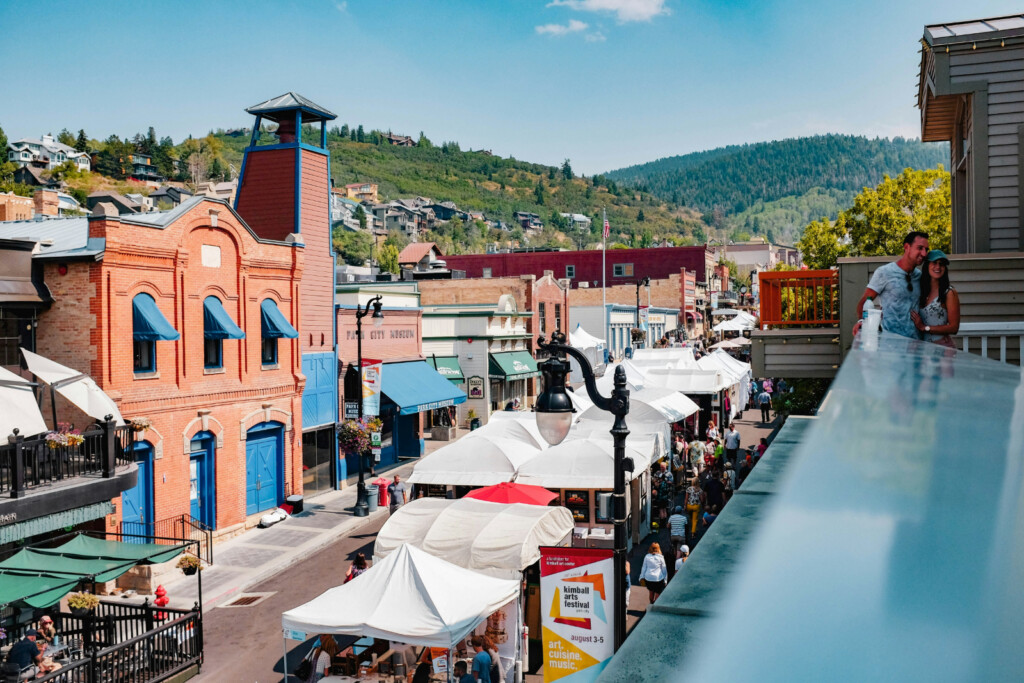
    After a week of work, grocery shopping, meal prep, driving the kids around, housework and last minute emergencies, a day of bonding and fun with our BFF’s is just what the doctor ordered. Fortunately, one of the best getaways is just a short drive away to Park City.


  • The Stratos Project Was Already Approved. So Why the Public Meeting?

    Thousands showed up to protest. The decision may have already been made.

    When thousands of Box Elder County residents packed the fairgrounds to protest the proposed 40,000-acre Stratos data center, they thought they were confronting the people in charge.

    They weren’t.

    The county commissioners stood at the front of the room, absorbing the anger, the frustration, the disbelief. They looked like decision-makers. But by their own account, they weren’t.

    Because the decision may have already been made—long before the public ever showed up.

    The Illusion of Authority

    What happened at that meeting wasn’t civic engagement. It was something closer to theater.

    No meaningful public comment. No real debate. No clear path for residents to influence the outcome. Just a room full of people reacting to a project that, structurally, may already be locked in.

    Why?

    Because the real authority doesn’t sit with Box Elder County.

    It sits with the Utah Military Installation Development Authority.

    Once MIDA designates a project area, the rules change. Local zoning can become irrelevant. Private land stays private. Water rights remain private. And the role of local government shifts from decision-maker to facilitator.

    In plain terms: the county doesn’t decide if the project happens. It helps manage how it happens.

    So when residents showed up demanding answers, they were asking the wrong people.

    A Process That Skips the Public

    That should concern anyone paying attention.

    Because it flips the normal order of things. Instead of:

    Proposal → Public input → Decision

    We get:

    Decision → Public meeting → Reaction

    And by the time the public enters the room, the real levers of power have already been pulled.

    So what exactly was that meeting?

    If commissioners don’t have authority to stop the project, then the meeting wasn’t about deciding anything. It was about absorbing pressure. Managing optics. Creating the appearance of a process that had already moved on.

    That’s not transparency. That’s choreography.

    Follow the Missing Pieces