
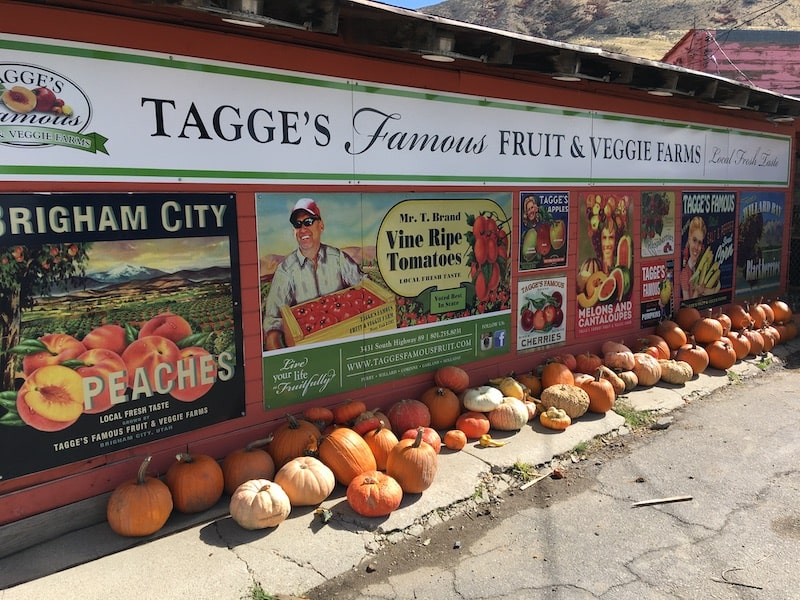
A megadrought. An increase in the cost of land. The high price of diesel fuel. Fertilizer doubling in price. An increase in labor costs. This is what Utah farmers face this year. Despite these issues, Thayne Tagge of Tagge’s Famous Fruit and Veggie Farms is hopeful.
“We got the water from Pineview (Reservoir) about two days ago (mid-May). It’s looking pretty good, and we’re going to get to use all of our water rights that we have this year,” Tagge said. “So, from our perspective, we’re going to be alright.” Normally, Tagge obtains his water on May 1st.
“Now this is the one cool thing that I’ve done, and a lot of the farmers have done, is we converted to drip irrigation. That started about 10 years ago,” he said. “And so, I used to use my water from three different sources, and now all I do is use my Pineview water rights, and the reason I only use Pineview is because it’s hooked up to my drip irrigation system. And I’ve got pressure — it’s all pressurized — it comes in higher up on the hill, and that works out really well for us because we’ve been able to conserve.”
The spring runoff is helping Tagge, but not as directly as one might think. “What we like as orchard farmers is we like to control the water. So, if it rained all the time, we would run into problems of mildew, fire, blight, and other problems like that,” he said.
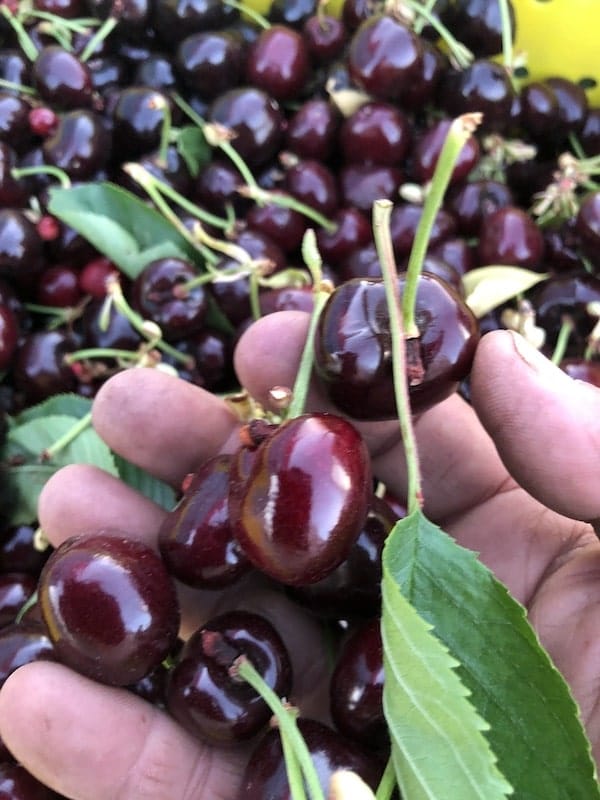
Because of the moisture in winter and the snowpack, Tagge believes Utah is a good place to grow fruit. This has been a good spring for fruit because of the cool weather, which gives the fruit a better chance for cell division.
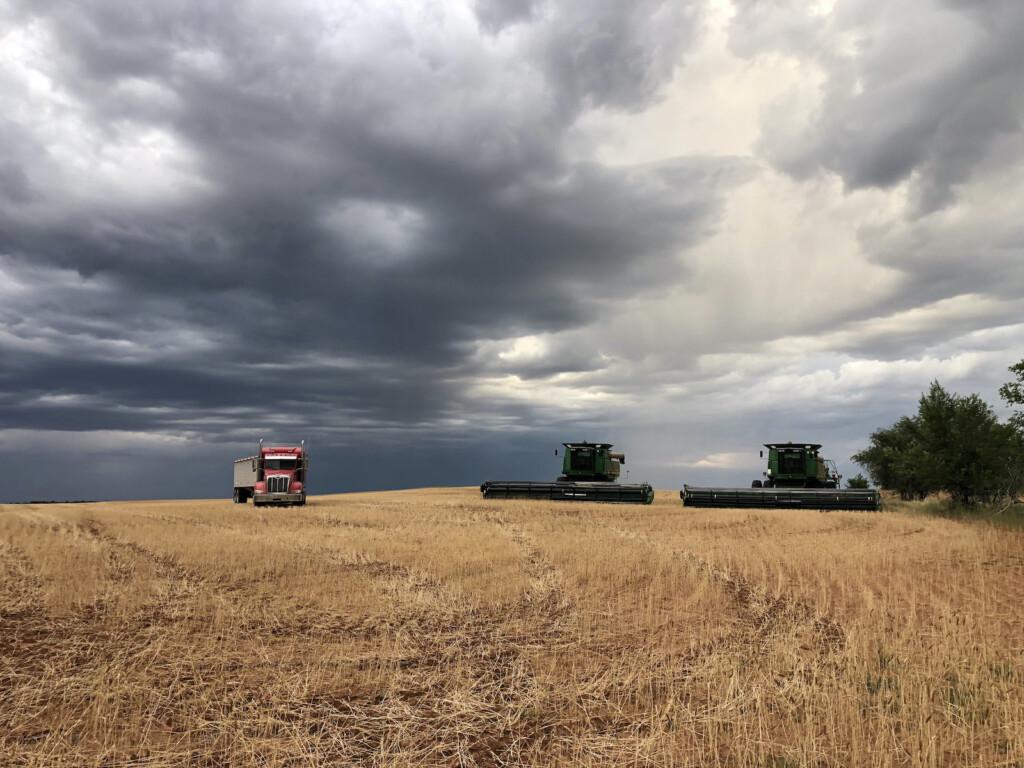
Despite some favorable spring conditions, there are challenges. The cost of fertilizer has doubled, and the cost of diesel fuel is high. “The diesel fuel we can buy, there’s a little bit of a discount because we don’t have to pay the road tax,” Tagge said. “We get a little bit of a break there, but not much. That diesel fuel’s a big deal for us. We’ve got to have it and those tractors need a lot.”
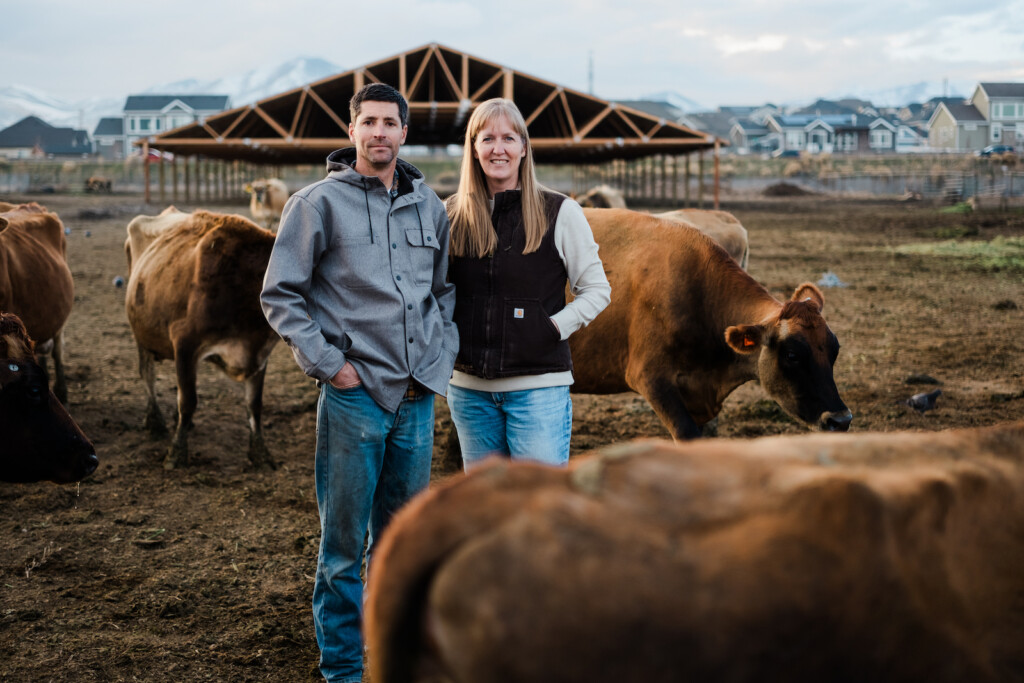
Another problem for Tagge is the cost of land. It wouldn’t be economically feasible to purchase land in today’s market. Most of Tagge’s farms are located in Perry and Willard, where numerous homes are being built and the price of land has skyrocketed.
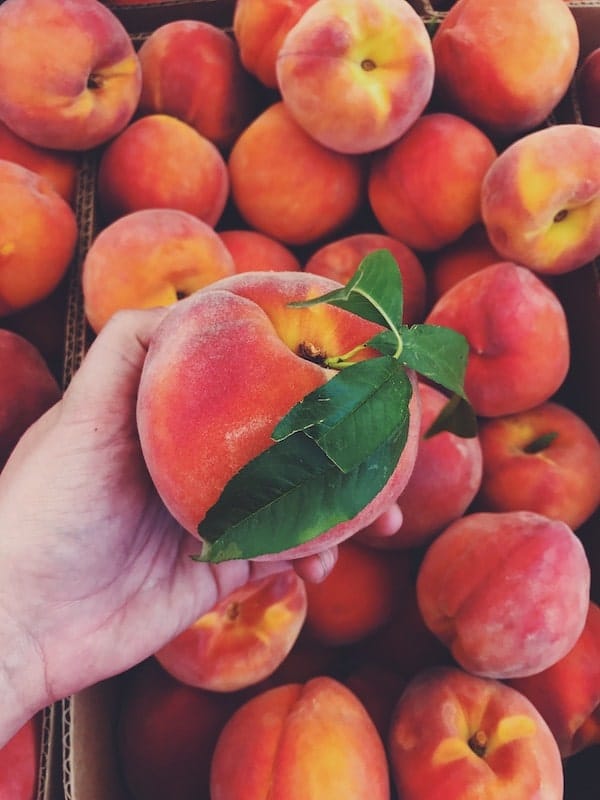
Though parts of Utah can be great for growing fruit, produce here is not prolific. “Only 3% of the state’s fruit and vegetable needs are grown by Utah farmers,” Tagge said. “A lot of people think that they can just go to the store and find it, but it just doesn’t happen.”
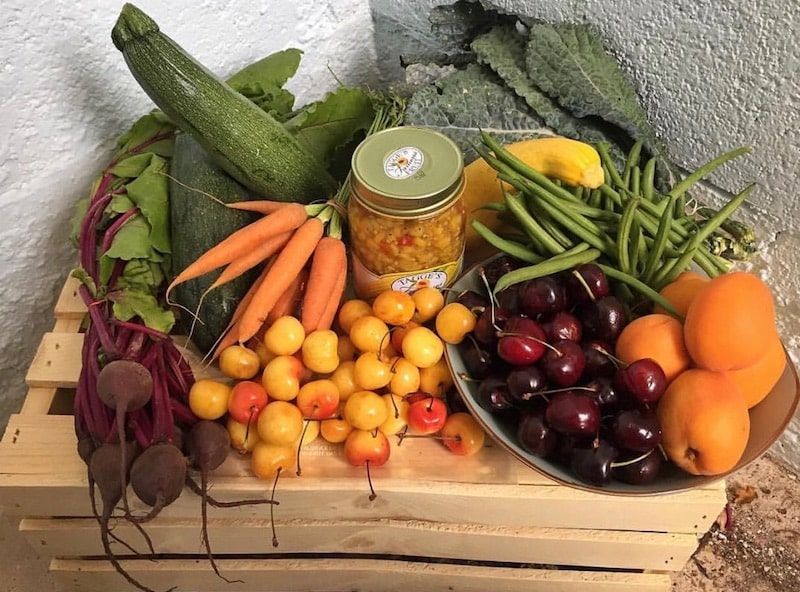
Utah farmers need our support. The best way we can support them is to seek them out. “I think COVID kind of helped people think about the safety of their fruit and vegetables to some degree,” Tagge said. “Google ’Utah Fruit.’ Come out and support the stands. It takes a little bit more effort, but it’s way worth it. You can get so much better fruit/produce by doing that. And you know we sell everything that we have within a 60-mile radius.”
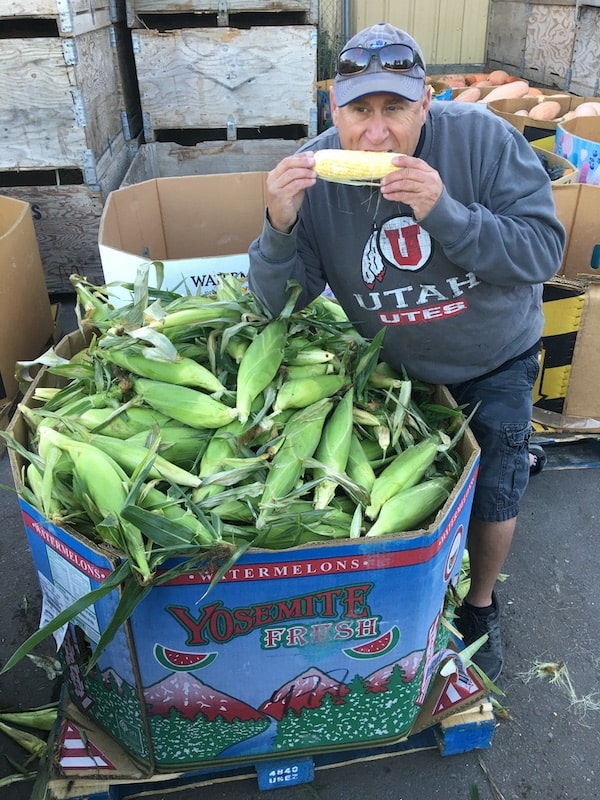
Another way we can support Utah farmers is to go to Farm Bureau markets. “The best Farm Bureau markets are in Murray and South Jordan,” Tagge said.
Due to the ease of obtaining food here in the US, Tagge believes that more thought is needed to buy locally.
“If people have just a little bit higher consciousness and plan and think about it, where am I going to buy my best fruit and veggies today or for the week?” he said. “And all that money stays in the state. That money is very well-appreciated, and we recognize that there’s a lot of people taking it very seriously and searching us out, and we really appreciate it,” Tagge said.
RELATED CONTENT
Best Avocado Toast in Salt Lake
3 Exceptional Farmers You Will Find at Ogden Farmers Market
Utah’s Megadrought: Have the abundance of Spring rains made a difference?
The Battle Over Utah’s Environment: Great Salt Lake Great No Longer?
Suburban Sprawl in Utah– its effect on Utah Farmers
Localism vs. Globalism: Utah Companies Bill Gates put out of Business
Subscribe to Utah Stories weekly newsletter and get our stories directly to your inbox