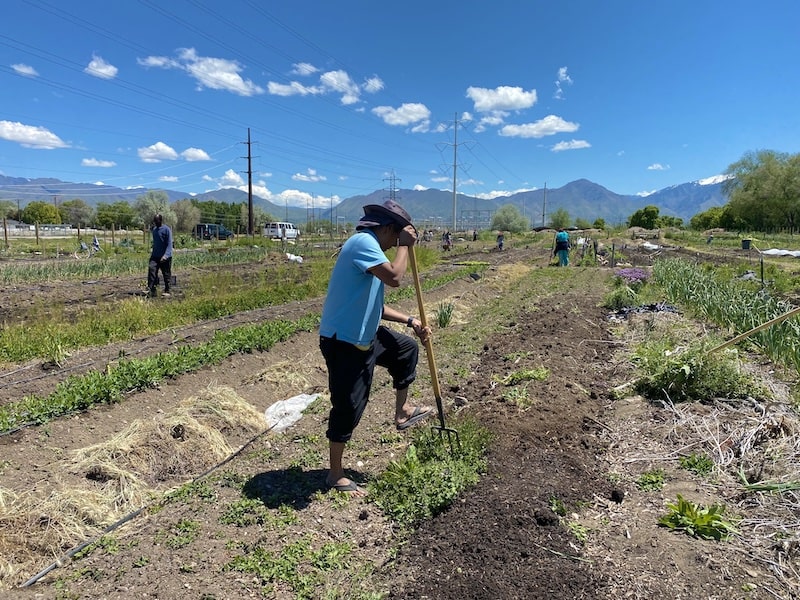
In the midst of West Valley urban sprawl is a somewhat unexpected sight: a diverse, organic vegetable farm called New Roots. The farm is a local program of the IRC (International Rescue Committee), an organization serving people whose lives have been upended by war and natural disasters.
While the IRC has had offices in Salt Lake since the 90s, New Roots SLC was developed in 2010 to support refugee families who want to garden and farm. Many refugees have agrarian backgrounds they’d like to apply in their new communities, but lack land and resources. New Roots removes these barriers by providing refugees access to land, seeds, water, and tools. The program not only provides refugees with gardening resources, but also a way to celebrate their heritage, apply their knowledge and skills, and nourish themselves and their families on many levels.
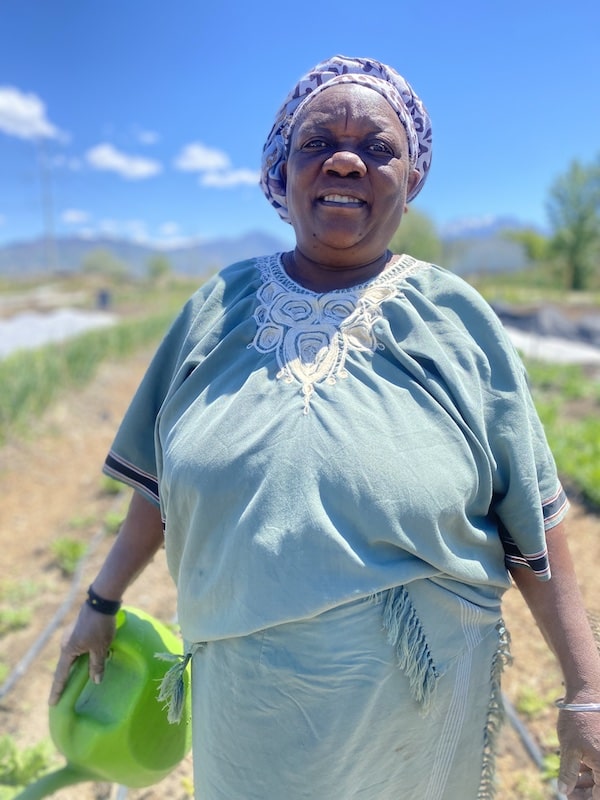
The garden program has grown to 150 gardeners at 12 different sites around the Salt Lake valley, and now extends beyond refugees to include any folks who identify as a new American, such as immigrants. Refugees who graduate from the garden program can join the farm program; an opportunity to not only grow enough food for their families, but also to sell their additional yield as primary or supplemental income. The farm program provides a substantial amount of income to some of the farmers who are growing on a larger scale.
There are now 55 farmers across two sites located in West Valley and Draper. Farmers grow, harvest, and pack their produce for several markets around the valley, primarily serving the Sunnyvale Farmers Market. They also offer a weekly farm box delivery service (commonly known as a CSA or community supported agriculture), and some of the produce is sold to local businesses including Salsa Del Diablo, Small Axe Peppers Hot Sauce, Vessel Kitchen, and some local Whole Foods grocery stores.
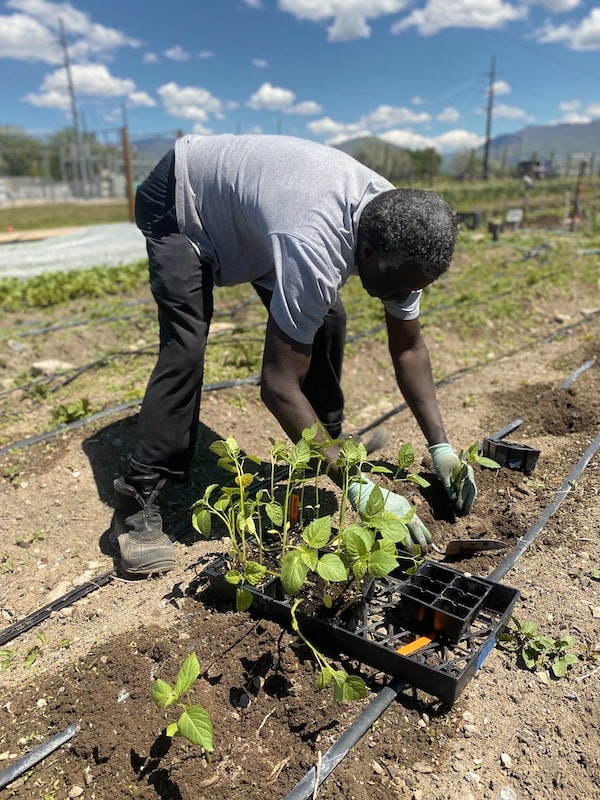
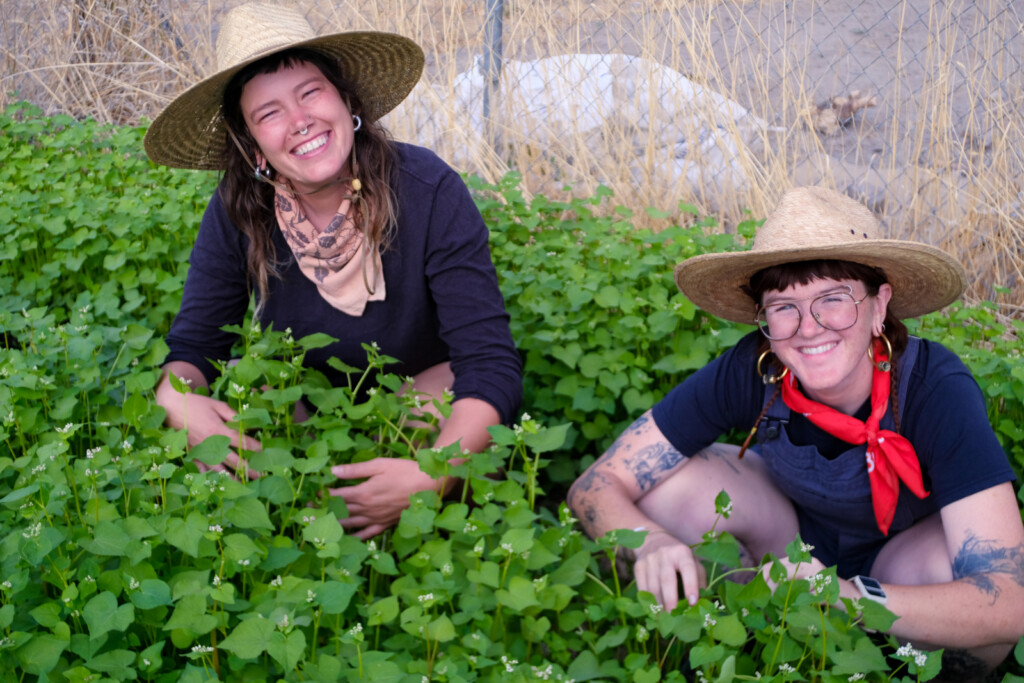
I had the opportunity to visit the Redwood Farm in West Valley and spend time planting tomatoes and tomatillos with local farmer, Albert. He described New Roots as providing him with “something to do and something to eat”, and later shared that his involvement with the farm program offers his family supplemental income. But most of all, Albert shared that being part of the farm connects him to a community of other refugee farmers, providing him with a meaningful sense of belonging.
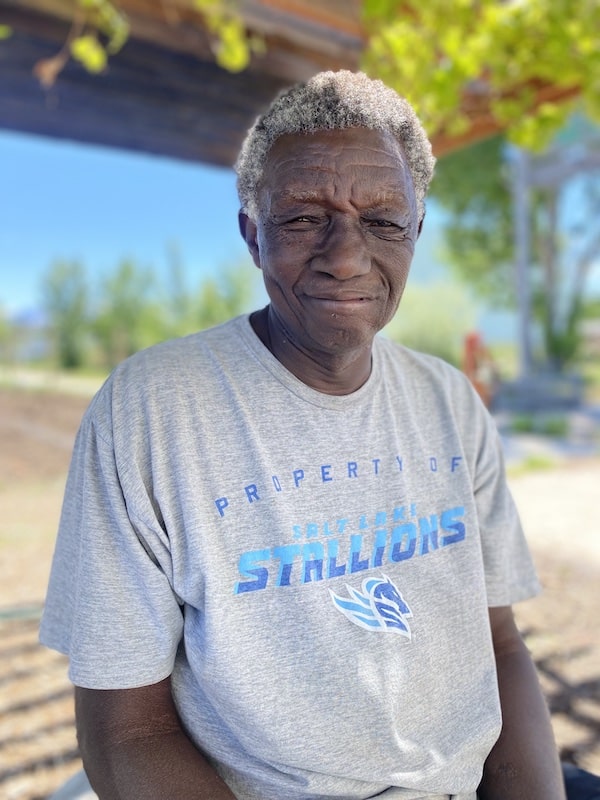
For Utah Stories readers who are interested in getting involved, New Roots offers a CSA Workshare, where community volunteers commit to harvesting and packing produce 4-hours weekly throughout the growing season. In exchange for their time and commitment, volunteers receive a full season share, which easily replaces a weekly trip to the grocery store for produce. Volunteers can either participate at the West Valley or Draper location.
New Roots introduced the Barter-With-a-Farmer program this year, which is another way for community members to get involved at the Draper location. Volunteers who want to work directly in the field are matched up with a farmer to help with tasks like bed prep, planting, weeding, and harvesting. Volunteers and farmers communicate directly to coordinate schedules and farm tasks. Like the CSA Workshare, volunteers receive a weekly produce bag in exchange for their contributions on the farm.

There are a few remaining CSA shares available for sale as well as a few volunteer spots left, so there’s still time this season if you’re interested in purchasing a vegetable share for your family or participating as a volunteer in 2022!
And if you just want to shop for tasty produce grown by local refugee farmers, a brand new farmers market is launching on Wednesdays at the West Valley Redwood Farm this June called New Roots Farmers Market at Redwood Farm.
Visit the website for more information on the farmers markets, CSA shares, and volunteer opportunities.
RELATED CONTENT
Tagge’s Famous Fruit & Veggie Farms on the Biggest Challenges that Utah Farmers Face Today
Bulldozing Utah Farms For Vacation Condos: Is this what progress looks like?
Doing Well By Doing Good — A Visit to Bill White Farms