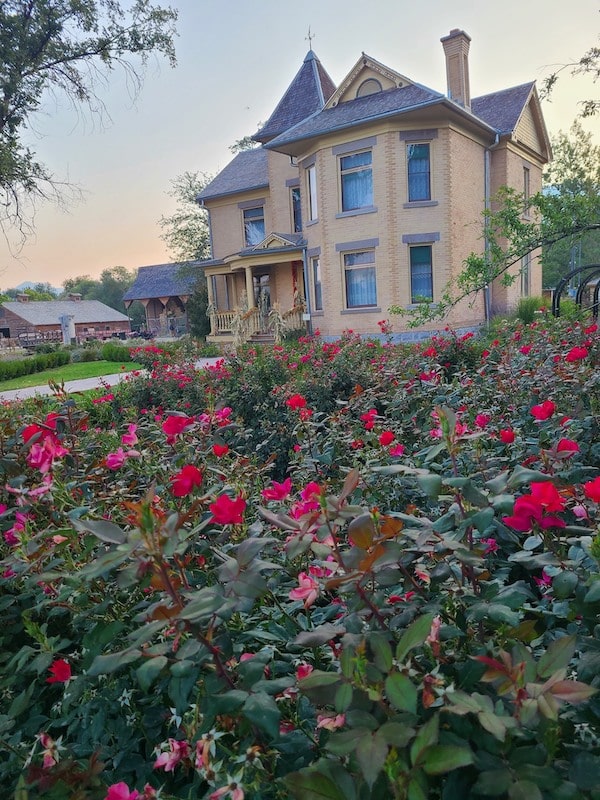
Historic Wheeler Farm is known primarily as one of the happiest places in Salt Lake Valley. But happiness isn’t all it provides. It also is, in part, a functioning farm, and trains and empowers its employees with valuable experience.
Two Mangalitsa piglets currently on the farm will later be sold at auction. The sheep provide wool, and the goats, milk.
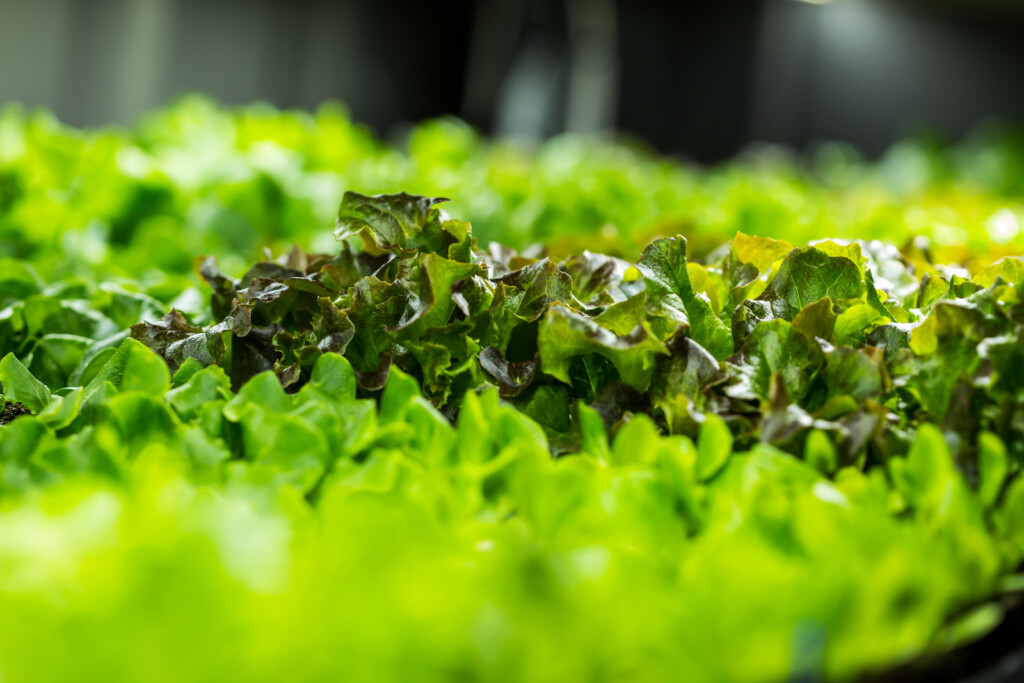
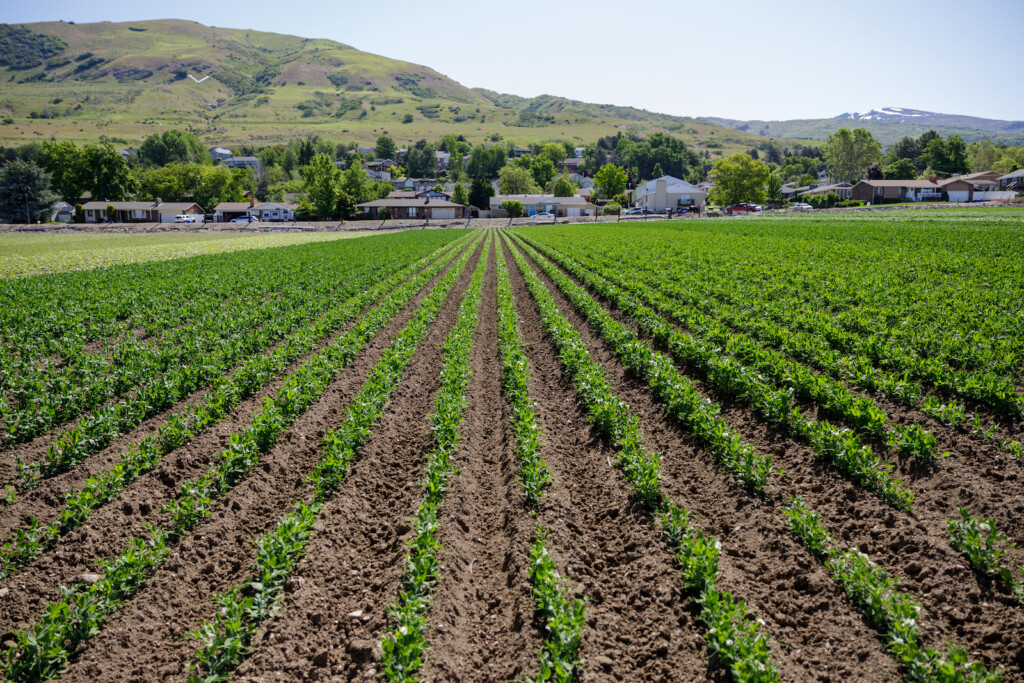
While there is a very short growing season before Wheeler Farm pulls up the garden for the Pumpkin Days straw maze, Utah State University (USU) grows some vegetables at the park and donates them to Meals on Wheels and Meals Plus.
Furthermore, administrators from Wheeler Farm have spoken with USU Extension to help the park utilize organic compost from the manure of some of the animals for future growing.
In addition to farm products and educating the public, Wheeler Farm possesses maybe its most important resource of all — its employees. The farmhands are nearly all part-time, and a high percentage of them are female. One of them is Nicole Wall.
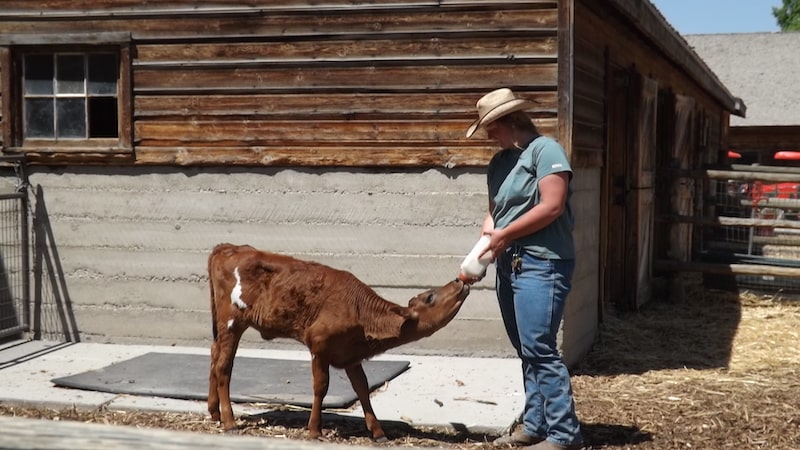
With Wrangler jeans, a cowboy hat, broad shoulders and a long, blonde braid, Wall looks like she came straight out of central casting. She exudes health, strength and to some extent, innocence.
“This farm is run by women for the most part which I love,” Wall said. “It’s so fun. I’ve worked here for four years. During those four years, we got more and more female employees.”
She works with the animals, runs machinery including tractors, and does other miscellaneous tasks. “I do whatever needs to be done,” Wall said. “I love the manual labor. I think it’s so rewarding to come home at the end of the day dirty and sweaty and tired, and feel like I accomplished something.” Wall also loves the beauty of Wheeler Farm and feels it is a sanctuary in the middle of the Salt Lake Valley; “a safe haven,” she called it.
Wall designates spring the “fun” season because of the babies born on the farm. She demonstrated making a bottle for a calf. The building in which she works still has a potbelly stove. “There is still a lot of the original infrastructure here on the farm,” she said.
After demonstrating preparing a bottle and feeding a calf, she enthusiastically moves to the goats and picks up a kid. “Goats are the dogs of the farm,” she said. “They are so friendly.”
Though one of Wall’s favorite aspects of the job is her co-workers, there can also be challenges. “There’s a lot of employees, and we all like to do things a little bit differently,” she said.
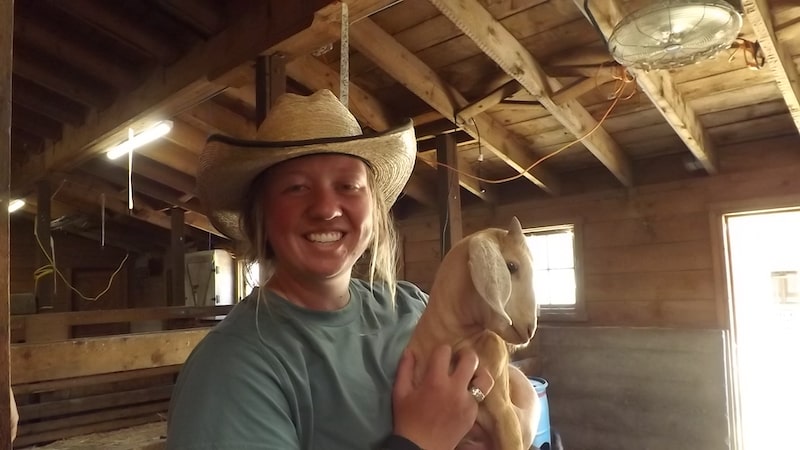
With 4-H (Head, Heart, Hands and Health) experience and years of hard work behind her, Wall was anxious to learn more about farming. “For the most part, this job has been awesome because I gained so much,” she said. “I love it, and it’s become part of my personality, and kind of how I identify. Honestly, it’s just something I want for my future, too.”
Learning new tasks like trimming the hooves of goats and sheep proved to be both interesting and fun for Wall. She also enjoys shearing sheep. “You set them on their rump, on their back, and then you kind of roll them around,” she said. “We have this cool little trampoline that we set them on.”
Occasionally, Wall rides horses to complete her work. “Wow, how lucky am I to work here,” she said. “I’m getting paid to ride a horse right now.”
Wall believes that though Wheeler Farm is not a typical farm, there are great opportunities to learn. “I do tasks that you could then apply to work at a for-profit farm,” she said.
Though agrarian work has diminished in the United States, in the center of Salt Lake Valley, there is a place where one can train and maybe take those skills out to the field and into the barn.
Wheeler Farm is located at 6351 S 900 E in Murray.
RELATED CONTENT
Tagge’s Famous Fruit & Veggie Farms on the Biggest Challenges that Utah Farmers Face Today
Dancing Moose Farm: Ogden Valley’s Premier Agritourism Destination
Moab Woman Keeps 100-Year-Old Farming Tradition Alive
Subscribe to Utah Stories weekly newsletter and get our stories directly to your inbox