Covid mandates and forced government closures have destroyed thousands if not millions of small businesses across the United States. Due to Covid, government leaders were given the ability to choose winners and losers. And the big winners were big corporations and the big losers were small businesses.
All big-box stores were deemed “essential”, all restaurants without a drive-thru window were deemed “non-essential”, as were small boutiques, hair salons, and bars. Throughout Covid, nearly every major corporate chain earned record profits, while small businesses were destroyed by the thousands in the United States.
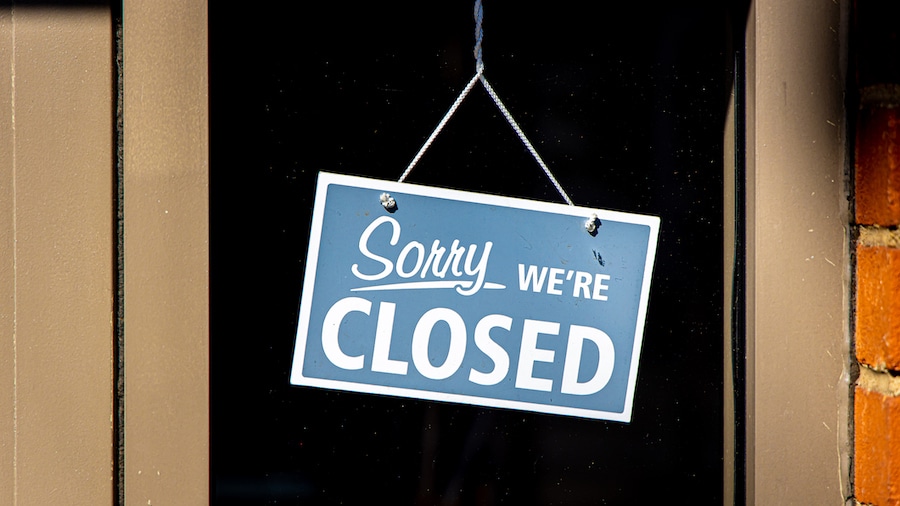
Covid government mandates killed 400 restaurants in Utah, according to KSL News. But why does this matter if we still have Chick-Fil-A and Burger King?
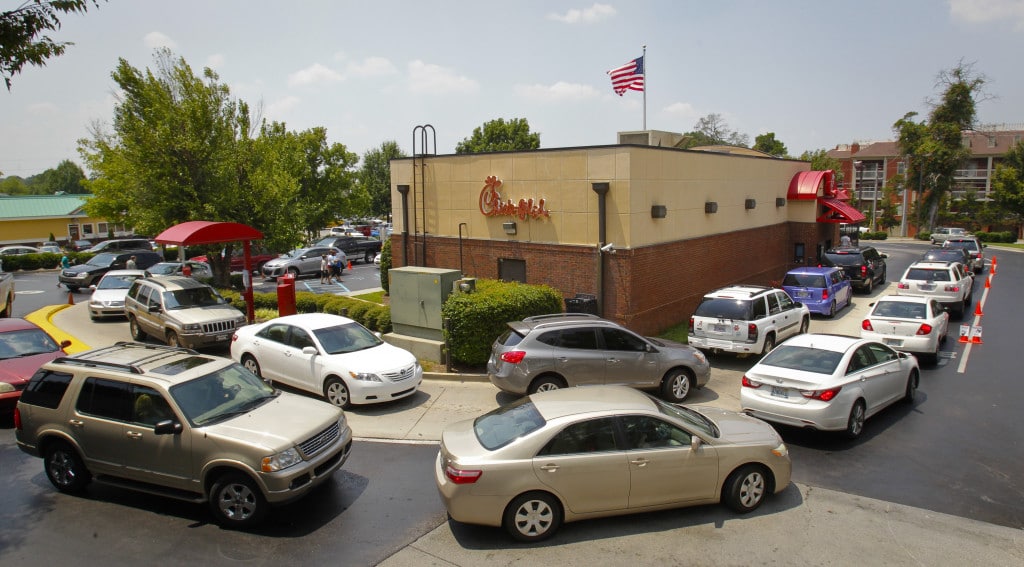
Because the United States economy is essentially a dual economy: half of all jobs and half of our entire economic output in the U.S. comes from small businesses. The other half comes from big businesses — meaning businesses with over 1,000 employees.
Small businesses are the backbone of our economies. There are 30.2 million small businesses in the U.S. that represent 99.9% of all business entities. There are 15,000 large businesses in the U.S. that represent the other half of the economy. But small businesses provide the ability for anyone with some savings, courage, and gumption to attain social mobility.
A major reason why we are so much better off with millions of small businesses rather than massive large corporations is because small businesses provide decentralization. They take away power from politicians who cater to large corporations for big donations. If all small businesses were gone, we would live in a totalitarian state where corporations would control our economy, laws, and freedom. Every year hundreds of new copy-cat laws are passed in state legislatures across the country written by the attorneys and lobbyists of large corporations, according to PublicIntegrity.org. These laws are written for big corporations to shore up their profits and revenue streams.
We at Utah Stories have been advocating for the past 12 years to support local businesses, not only because it is good for our local economy, but if we would all like more freedom, more sovereignty, more ability to have a voice in our own communities, then shop small, support local businesses and restaurants. Support the greatest mechanism of power decentralization in the U.S, buying local.
A new book written by former Investment Banker Carol Roth called “The War on Small Business: How the Government Used the Pandemic to Crush the Backbone of America” claims that Covid was used as a tool by our government to destroy small businesses and shore up the mega-profits of mega-corporations.
Why the gap between the rich and the poor is expanding in the business world? The largest corporations are building “moats” around their fiefdoms by using politicians as puppets to do their bidding. And their bidding is to regulate the competition out of existence. Now let’s examine what impact housing and our labor market have on the growing distance between the rich and the poor.
Subscribe to Utah Stories weekly newsletter and get our stories directly to your inbox