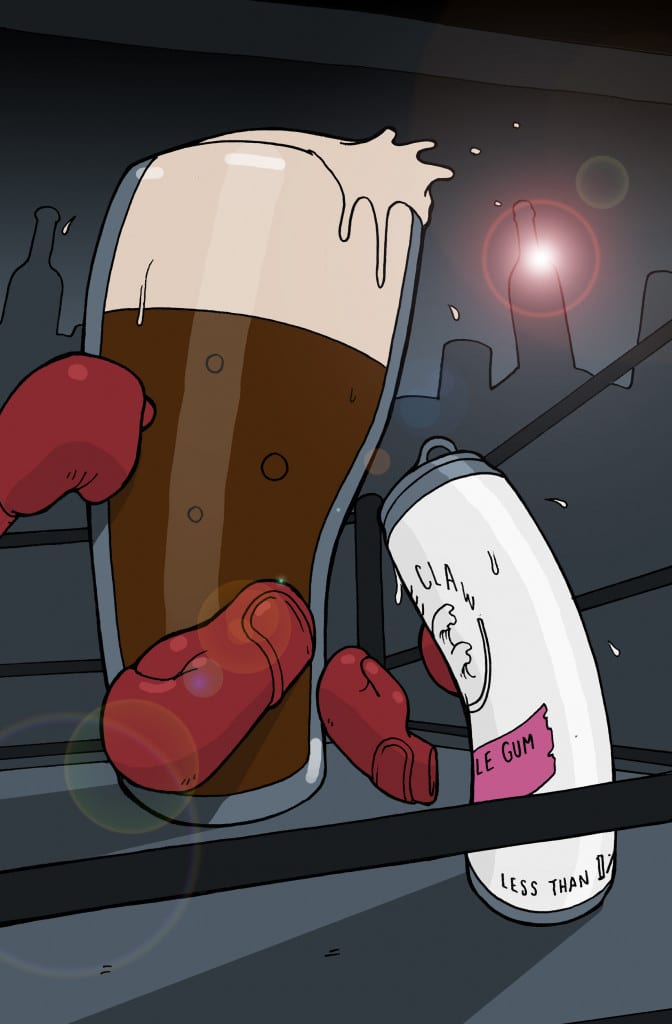
It all started with a few billboards for White Claw…
That was before I saw the end caps in supermarkets. Then I believe the ads appeared on buses and Trax. “Could this really be happening?“ I thought. “Could this White Claw and ‘hard seltzer’ replace beer as La Croix and energy drinks are replacing soda?”
Consumer fads are hard to differentiate from actual cultural shifts, but the rise of hard seltzer is difficult to pin down. Is this a fad or a real seismic shift in consumer behavior? If it’s a shift in consumer behavior, why is this happening?
My gut tells me it could be from a growing distrust of all products containing wheat. The non-GMO and gluten-free movement is a true cultural shift. In 2015, a book called “Wheat Belly”, written by cardiologist William Davis, sold millions of copies. If the book’s premise is true, it’s crushing to every craft beer lover, including me. Its premise is that GMO (genetically modified) American wheat has been altered too much, too quickly, for human genetics and evolution. In essence, our wheat — especially American wheat — is the major cause of many of us being overweight and unhealthy.
But is this true?
The Wheat Belly diet has massive proponents, although the conclusive science appears quite shaky.
But it’s hard to know what to believe. Watch any number of Netflix documentaries and we see that many “scientific food studies” are actually funded by the organizations that hire scientists to promote their desired outcomes.
We have pointed it out before and it’s worth repeating:
Beer is one of mankind’s oldest and most cherished beverages. “Beer is proof that God loves us and wants us to be happy,” said Benjamin Franklin. Perhaps it’s worth examining a return to a less genetically modified wheat, but I’ll never stop enjoying my favorite Elephino or Bohemian Pills. Just follow some basic good rules and you too can drink beer well into middle age.
If your gut protrusion is telling you that you need to drink fewer beers, then maybe choose a light high-point beer, or go ahead and have a hard seltzer (my favorite is Grandeur Peak from Squatters). But we can’t abandon delicious and wonderful craft beer. And it’s worth being skeptical of fads that arise so quickly.
Let’s be clear: The rise of hard seltzer is not the future of craft beer.
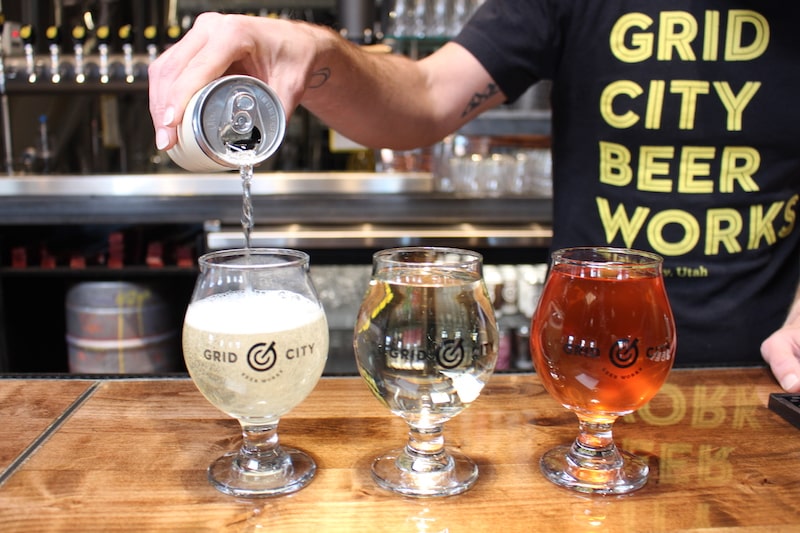
Hard seltzer requires no craft. Hard seltzer coming from craft breweries is wrong. If anybody is making hard seltzer, it should be the distilleries. There is no beer in hard seltzer, so why are craft breweries entering this market in droves? Sorry to those Utah breweries who believe a seltzer line-up is now necessary, but it’s looking like this trend will worsen before it improves.
The wussification of beer is upon us. It follows the trend of man buns, tight jeans for men, man purses and beauty products for men. Craft beer adherents: we need not disparage these men who drink White Claw and other hard seltzer’s. Instead, we should embrace them for discovering their manhood by finding their inner lady.
Subscribe to Utah Stories weekly newsletter and get our stories directly to your inbox