Beer Stories

Zion Brewery opens St. George location, Station 2

Zion Brewery, home of arguably the most epic patio in the world and some damn delicious beer, has expanded into St. George.

|


Zion Brewery, Station 2
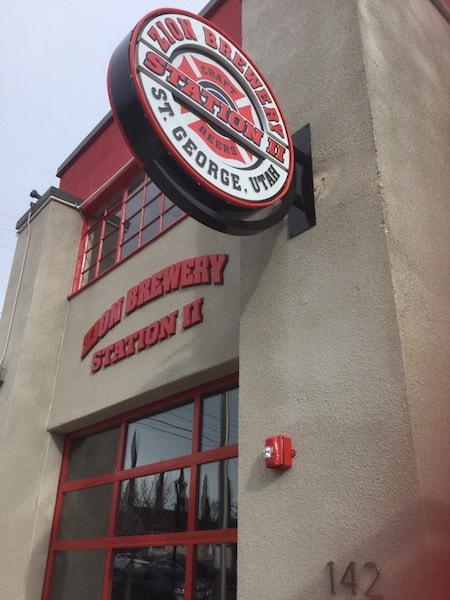
Station 2 in St. Geroge. Photo by Tom Bennett

Zion Brewery, home of arguably the most epic patio in the world and some damn delicious beer, has expanded into St. George. The brewery and pub are a staple in Springdale. They are continuing to celebrate their history and Southern Utah culture by opening Station 2 in a historic building.

The new location is in a renovated fire station which has served the city since 1918. It is this unique building from which the bar draws its name.
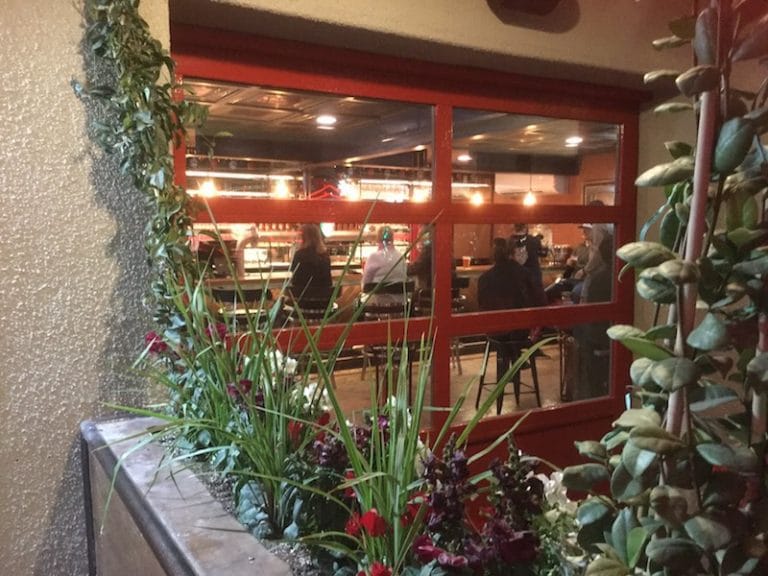
Unlike the Zion Brewpub, Station 2 is a bar. The St. George location focuses on beer and wine and does not serve food. Owner Jolene Pace says, “We are really looking forward to bringing the first actual bar to St. George and serving our beer to the local audience.”

The Station focuses on Zion’s own brews and a few other local Utah beers. The brewery will implement food trucks and is cooperating with the nearby Pizza Factory. They plan to host social events and for entertainment they offer a downstairs tavern and an upstairs billiards room. Future plans include brewing in the north bay, and a 15-barrel operation with canning and bottling. U

Station 2 is located at 150 North Main Street in St. George, Utah.

, , ,

Join our newsletter.
Stay informed.


  • Utah Craft Whiskey: How Barrels and Utah’s Climate Shape Flavor

    Utah’s craft whiskey scene is shaped by more than grain, yeast, and time. The state’s dry climate plays an unusually powerful role in how spirits age, intensifying the relationship between whiskey and the barrels that hold it.

    Low humidity accelerates evaporation during aging, often claiming 14–18 percent of a barrel’s contents as the “angel’s share.” Unlike more humid regions where alcohol evaporates faster, Utah barrels tend to lose more water, concentrating flavor and driving proof upward over time. That accelerated interaction pulls sugars, tannins, and spice from the wood more quickly, creating whiskeys that often taste older and more structured than their age statements suggest.

    To understand how Utah distillers are deliberately harnessing climate, char, and finishing barrels to shape flavor, two producers at the forefront of that experimentation — Sugar House Distillery and Spirits of the Wasatch — shared how barrel choices influence everything from sweetness and spice to texture and proof.

    *The remainder of this article is available to Utah Stories subscribers and includes in-depth reporting from Utah distillers on barrel selection, aging techniques, and experimental finishes.

    To access this post, you must purchase Utah Stories (Digital + Print) or 3 month free trial (Digital).


  • Sugar House Businesses Recover After Prolonged Road Construction

    For nearly two years, construction along 2100 South reshaped daily life in Sugar House, testing the patience and resilience of local businesses. With roads and sidewalks finally reopened, owners are beginning to take stock of what was lost, what changed, and what recovery might actually look like.


  • Why Price, Utah, Needed a Rock and Fossil Shop

    After years in Salt Lake City and an interlude in Oregon, Kathie Chadbourne settled on Price as the location for her new rock shop. The town appealed to her because of its strong ties to geology and archeology, and its place within the Dinosaur Diamond. At first, she wondered whether a shop like hers might already exist there.


  • An Argentine Food Tradition Finds a Home in Sugar House

    In Sugar House, Maria Florencia Farr makes empanadas that carry more than filling. They carry memory. Each one recalls suburban Buenos Aires, where families gathered late at night and meals were unhurried, familiar, and shared.

    “In Argentina, dinner doesn’t happen at five,” she says. Empanadas were a constant in her childhood, as ordinary and dependable as cookies in an American home. Learning to seal them, shaping the distinctive repulgue by hand, marked a small but meaningful rite of passage.

    When Florencia moved to the United States 18 years ago, food became one of the clearest reminders of what she had left behind. She missed the everyday tastes of home and kept searching for them. Over time, that longing evolved into something larger, shaping the decision to build a place rooted in tradition, meant to be shared.

    The remainder of this story is available to subscribers.

    To access this post, you must purchase Utah Stories (Digital + Print) or 3 month free trial (Digital).