Community Events

J. Willard Marriott Library invites Utahns to help preserve history of the pandemic

Whatever your experience during these difficult times, you are part of history and the J. Willard Marriott Library at the University of Utah wants to hear from you. The library has created the Utah COVID-19 Digital Collection to document the response to the pandemic of 2020.

|


Willard Marriott Library
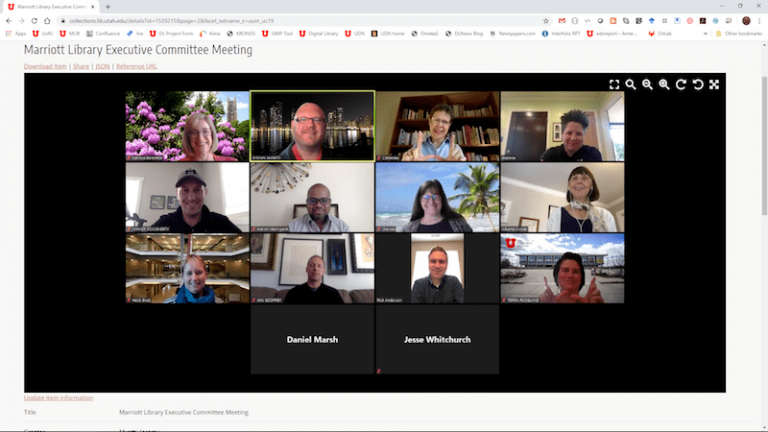
Photos courtesy of the J. Williard Marriott Library

Did you scour the shelves of countless stores looking for toilet paper this spring? Are you among the millions of laid-off workers who filed for unemployment benefits? Are you social distancing?And what about that 5.7 magnitude earthquake on March 18 and those aftershocks that hit Utah as the coronavirus was spreading? Did you think it was the Big One?

Whatever your experience, you were part of history and the J. Willard Marriott Library at the University of Utah wants to hear from you. The library has created the Utah COVID-19 Digital Collection to document the response to the pandemic of 2020.

The project is gathering stories and photos to show how the spread of COVID-19 and the earthquake, which delayed the start of the U.’s first full day of online classes, has affected the state’s residents. Suggestions for topics include working or studying from home, changes to your daily routine due to social distancing, the experience when those around you got sick, reactions to news reports and earthquake damage.

The contributions can be a story, essay, daily journal, photograph or screenshot. For submission forms and instructions, visit here.

Libraries and museums across the country are assembling similar collections, according to Anna Neatrour, digital initiatives librarian. The Marriott Library’s project is the first of its kind in Utah.

“We’re living through such a historic moment and part of our mission at the University of Utah is to capture history and make it accessible to everybody, so this seemed like a natural thing for us to do,” Neatrour said.
history of pandemic

She said some of the details in the collection might seem innocuous but they won’t be years from now. People who won’t be familiar with what daily life was like in 2020 will find it interesting that there was tape placed in 6-feet intervals for customers waiting in line to get into the grocery store Neatrour said.

“That kind of detail is important to capture and preserve for the future,” she said.

The project was officially launched on April 9 and within a few days, about 50 people had submitted a total of 75 stories and photos. The first pieces in the collection were photos from Neatrour; digital curation librarian Rachel Wittmann; and Jeremy Myntti, head of digital library services.

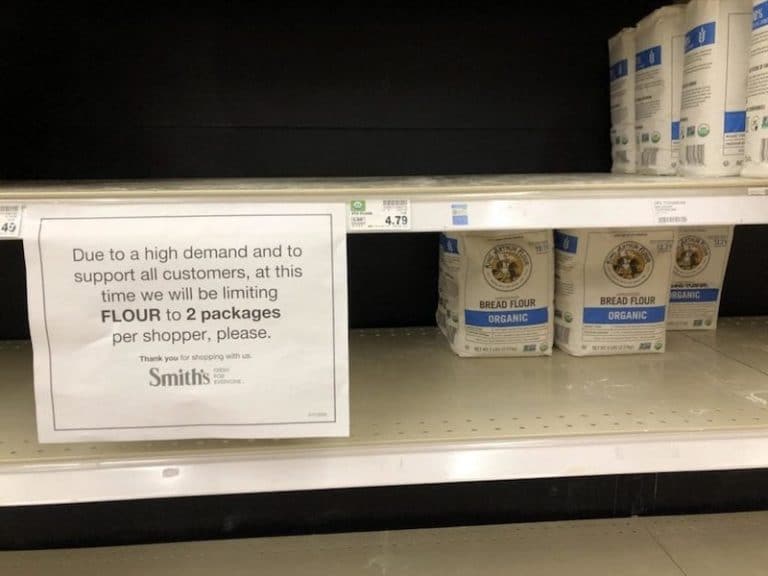
The pictures – which were posted to give people an idea of what to send – include a selfie of Neatrour wearing a mask in a grocery store, Myntti walking past empty shelves at a Walmart and a sign at a Smith’s grocery store that says it is limiting flour to two packages per customer.

Some of the outside submissions show people dealing directly with the COVID-19 virus, such as isolating themselves within their homes or saying goodbye to a loved one going to the hospital for treatment, Wittmann said.

Myntti said the librarians would like to get content from Utahns representing all backgrounds and all parts of the state.

“We want everyone to know that their story is important no matter how boring their life may feel at this time,” Myntti said. “It’s important to document what we are doing, how we’re doing with these measures that are in place all over the whole world, so we can preserve this moment in history for future generations.”

 

, , ,


Join our newsletter.
Stay informed.


  • Ritual Chocolate Tasting Class in Heber City: Inside Utah’s Bean-to-Bar Factory

    Inside Ritual Chocolate’s Heber City factory, guests learn how to taste chocolate like professionals during weekly bean-to-bar classes. From Madagascar’s bright citrus notes to savory pairings with olive oil and smoked salt, the experience blends science, craftsmanship, and Utah creativity into one unforgettable night.


  • Why Price, Utah, Needed a Rock and Fossil Shop

    After years in Salt Lake City and an interlude in Oregon, Kathie Chadbourne settled on Price as the location for her new rock shop. The town appealed to her because of its strong ties to geology and archeology, and its place within the Dinosaur Diamond. At first, she wondered whether a shop like hers might already exist there.


  • Chronic Disease in America: Treating Too Late, Prescribing Too Much

    Every January, Americans reflect on the year behind them and draft a familiar list of resolutions. Eat better. Lose weight. Exercise more. Reduce stress. These intentions recur not because people lack discipline, but because the underlying health conditions driving them persist.

    Despite unprecedented medical spending and pharmaceutical access, the United States remains chronically unhealthy. According to the Centers for Disease Control and Prevention, more than 76 percent of US adults live with at least one chronic condition, and over 51 percent live with two or more. The most prevalent conditions are well documented. Heart disease remains the leading cause of death, accounting for 680,981 deaths in 2023, while obesity affects more than 40 percent of US adults. Diabetes impacts 38.4 million Americans, and nearly half of adults have hypertension, a major contributor to stroke, kidney failure, and heart disease.

    Treatment typically begins once disease is clinically apparent, and often relies on pharmaceuticals. Over time, this approach can lead to polypharmacy, the use of five or more medications. Patients with chronic illness frequently average two to four comorbidities, each managed independently, increasing the likelihood that side effects from one medication require another.

    To access this post, you must purchase Utah Stories (Digital + Print) or 3 month free trial (Digital).


  • From Water Bottles to “Brain Rot”: Classroom Trends Shaping Student Culture in 2026

    What may sound like noise or nonsense to adults often carries meaning inside today’s classrooms. From oversized, sticker-covered water bottles to repeated phrases borrowed from online videos, small habits have become shared language among students. This is what student culture looks like heading into 2026.