Utah Stories

Sugar House’s Allen Park to Be Developed

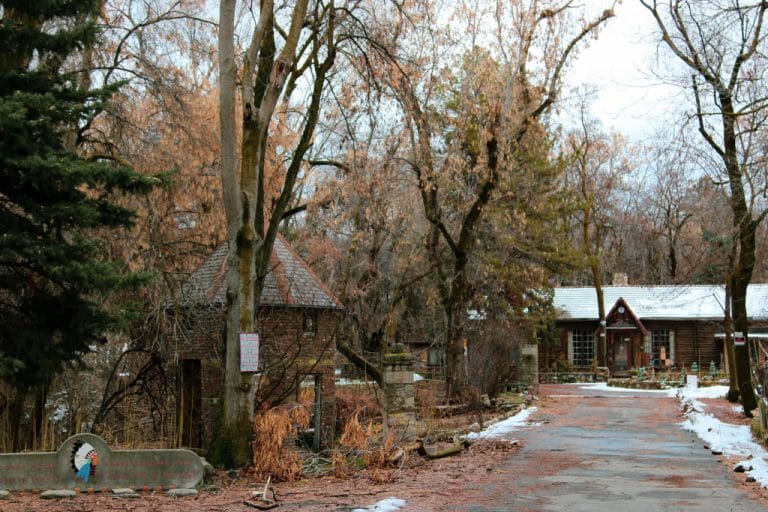
As an Allen Park neighbor, I find myself experiencing a mix of curiosity, worry, and nostalgia as I learn more about the future of the property and reminisce on its past.
|


Allen Park Sugar House
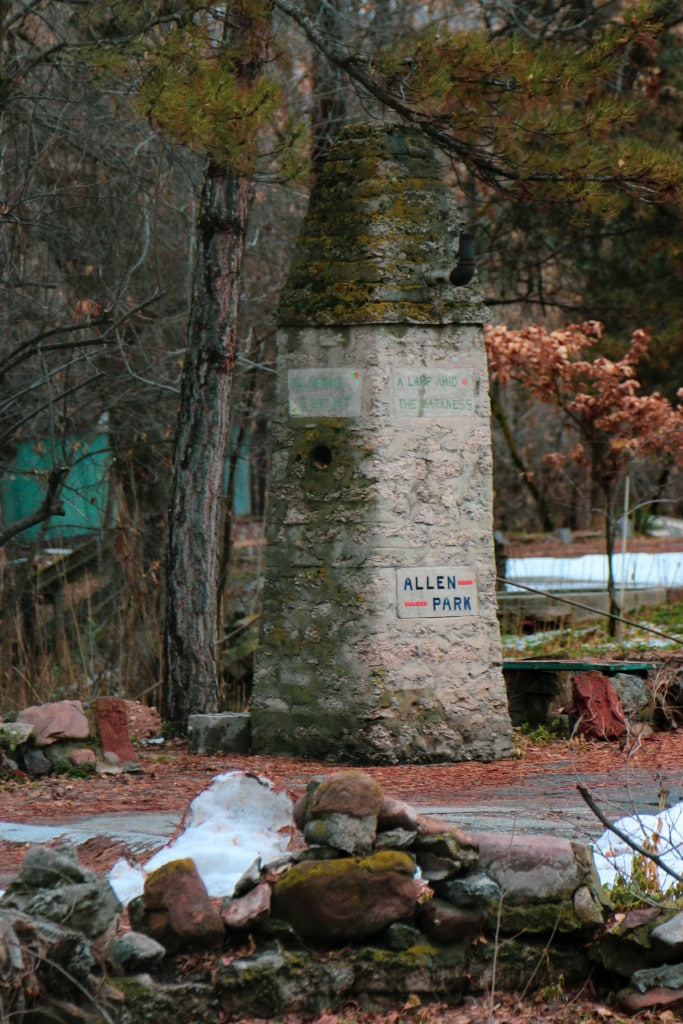
Allen Park, Photos by Richard Markosian

Magical Places in Salt Lake City

Growing up in a Salt Lake City suburb, I heard older kids speak about places in the city that kept an imaginative young girl convinced that I lived in a magical place where legends were true and remarkable things might happen. Gravity Hill, Gilgal Gardens, and “Hobbitville” were spoken about in reverent tones and with excitement about whether such places might really exist.Years later, as a college student, I was introduced to those places, each time with a group of classmates, furtively and breathlessly, using the thrill of potential discovery as an opportunity for flirtation.

Allen Park in Sugar House

I moved to Sugar House as an adult. I have a fond memory of taking a leisurely stroll through the property while on a first date with a locally famous Sugar House resident. Allen Park served as a great bonding experience for the two of us―each unabashed fans of the quirkiness of our shared neighborhood. While the potential romance with that person didn’t last, my love of Sugar House remained. And now, as an Allen Park neighbor, I find myself experiencing a mix of curiosity, worry, and nostalgia as I learn more about the future of the property and reminisce on its past.

History of Allen Park and Price Family

It is difficult to truly know the property and its history. Many people I have spoken with have experienced challenging interactions with the property owners. Amy Price and her daughter Ruth Price were the daughter and granddaughter of Dr. and Mrs. Allen, respectively.

According to former Westminster College President, Steve Morgan, his three decades at the college provided numerous opportunities to engage with the Price family. He described that each overture he made was met with a firm rejection. Lynne Olson, former Community Council member, also describes heated interactions with the family during the process of updating the Sugar House master plan.

During the past decade, I, too, had an opportunity to engage with the Price family through my work with Westminster College, and each time was admittedly difficult. I found them to be angry and mistrustful, once even asking me if I already had the ability to take the property from them. It appeared to me that their combativeness stemmed from their intense fear of losing the property.

I find it a bit tragic, actually, to know that there were opportunities over the last decade for the Price’s to ensure that their legacy would last on the property, had they engaged in some of those discussions at the time. Now that the family members have passed away, I feel my own responsibility to honor the history of the property.

The Future

This past holiday season, many Allen Park neighbors gathered for the annual neighborhood progressive dinner party, and the conversation naturally turned to the future of Allen Park. While there is a general understanding that the riparian corridor overlay may help to prevent overbuilding the property, the neighbors also expressed fear that any future development may not respect the character of the neighborhood.

According to Judi Short, Chair of the Sugar House Community Council Land Use and Zoning Committee, the developer, Ronaldo Hunt, is engaging the community in the planning process. On January 13, 2020, he held what he has indicated is only the beginning of many community feedback sessions to engage neighbors in the development process. Community members can continue to leave comments on this site.
Reminiscences

In the meantime, I can’t help but feel a bit wistful. I love the charm that a strange, quirky place in the middle of our city provided. I love thinking that long ago a doctor with a love of birds and art created his own refuge, even making the property open to community members each week and publishing The Bird Gazette.

I love the stories that some of the structures on the property may have been given to Dr. Allen long ago by copper miners who couldn’t afford their medical care, and brought these structures as payment. I don’t even know for sure that all of these stories are true.

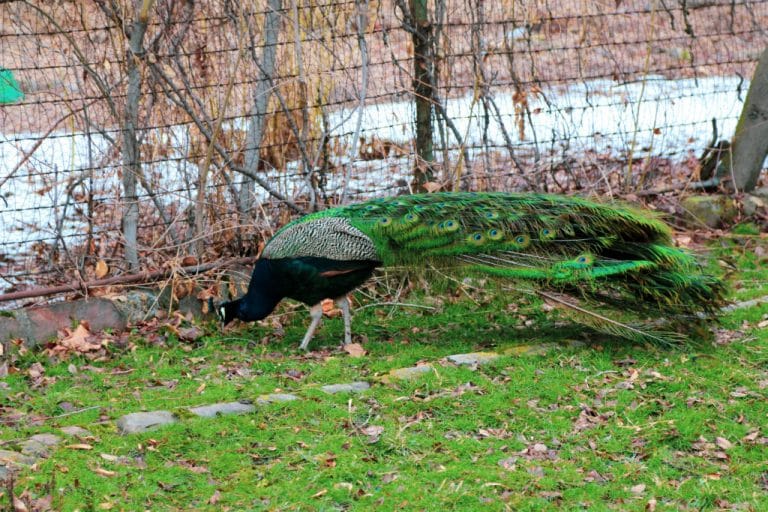
The imaginative girl I once was is now an adult charmed by the stories behind places like Allen Park. I am approaching this change with an open mind, but I already miss the call of the peacocks.

FOR MORE SUGAR HOUSE STORIES GO HERE


, , , ,

Join our newsletter.
Stay informed.


  • Has Utah’s Soft-on-Crime Justice Reform Made Communities Safer?

    Has this “soft-on-crime” approach resulted in safer streets?

    SALT LAKE CITY — A decade has passed since former Utah Governor Gary Herbert signed a massive justice reform bill into law in hopes that the state could reduce its prison population and manage low-level offenders through rehabilitation programs instead of incarceration. Has this reinvestment resulted in lower crime and recidivism rates?

    According to the Utah Department of Corrections, that landmark Justice Reinvestment Initiative aimed to “continue holding offenders accountable and securing our communities, but in a way that considers individual risks and treatment needs.”

    Are communities really safer when mental health and substance use needs are addressed through programs administered outside prison walls? The idea was to treat criminals differently based on their mental health needs and backgrounds. But at least one retired Adult Probation and Parole Officer, believes this “soft-on-crime” approach hasn’t resulted in safer streets.

    LOOKING BACK

    State Senator Todd Weiler, in that legislative role since 2012, helped drive the passage of the Justice Reinvestment Initiative (JRI), a massive bill that enjoyed broad-based approval among state officials and the Legislature as a whole.

    In November 2014, Weiler attended the national summit on the issue in San Diego, an event hosted by Pew Charitable Trusts. 

    “I was very involved in it. We had a lot of high hopes,” Weiler, a Woods Cross Republican, said in a recent interview. “That was about the time we were finalizing plans for the new prison. And we actually said that because of JRI we don’t need as many beds because we’ll be incarcerating fewer people. So that new prison was designed with this idea.”

    A key part of JRI dealt with adjusting sentencing for crimes related to addiction, dividing offenders into two basic groups: dangerous criminals who are a threat to society (that group goes to prison), and low-level offenders who get help kicking addictions through state-sponsored programs or private-sector rehabilitation.

    “The ultimate goal was if we have an otherwise good person who got caught up in an addiction, and as a result committed crimes, they need to be punished for their crimes,” Weiler said. “It’s not that we’re going to overlook what they did, but we wanted to focus primarily on helping them overcome their addiction and [that means] getting them back to their job and their family.” 

    Before JRI, low-level drug offenders with felonies would spend years in prison, which wreaked havoc with their lives and future prospects. Addressing the root cause of their theft and property crimes through supervision and treatment made sense. 

    “We’re all imperfect people,” Weiler said. “So we want people working their jobs, paying their bills and raising their kids rather than sitting in jail and watching TV or playing cards.”

    To access this post, you must purchase Utah Stories (Digital + Print) or 3 month free trial (Digital).


  • Salt Lake City Newcomers Club: Finding Friendship and Belonging Since 1948

    Moving away from your hometown can come with many blessings. But for some, it also comes with just as many bouts of loneliness. That ache of not knowing where to meet people, or grieving the friends you left behind, comes in waves. Workplaces and churches can sometimes provide ready-made communities, but what happens when they don’t? Where do you go to find true belonging?


  • How I Lost 120 Pounds and Changed My Relationship With Food

    Throughout most of my life, I used food to cope with chaos, depression, and pain I did not yet understand. By my early twenties, I weighed over 320 pounds and felt trapped in a body that limited every part of my life. This is the story of how learning about food, mental health, and habit-building helped me lose 120 pounds and rebuild stability.


  • Highway 6 and the Midland Trail: Utah’s Transcontinental Highway History

    From Price Canyon to Delta’s desert stretch, Utah played a central role in building the Midland Trail, one of America’s earliest transcontinental highways and the foundation of today’s Highway 6.