Community Events

The Downtown Salt Lake City 2020 Marketplace

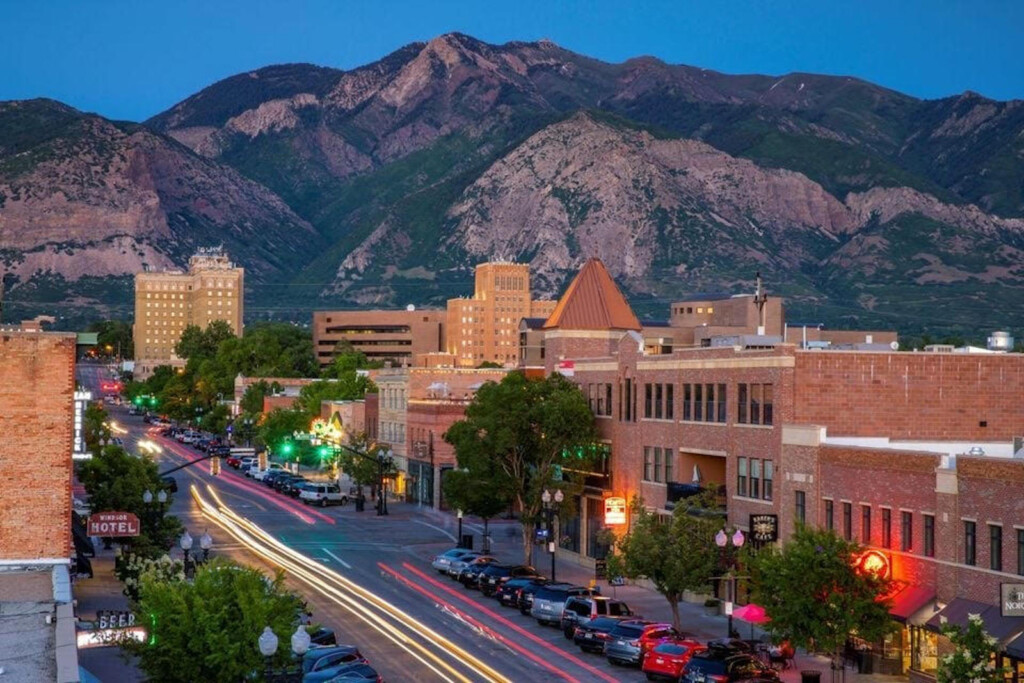
Downtown Salt Lake City is trying to find its “new” identity. Main Street is thriving with a plenitude of bars, restaurants and bakeries.

|


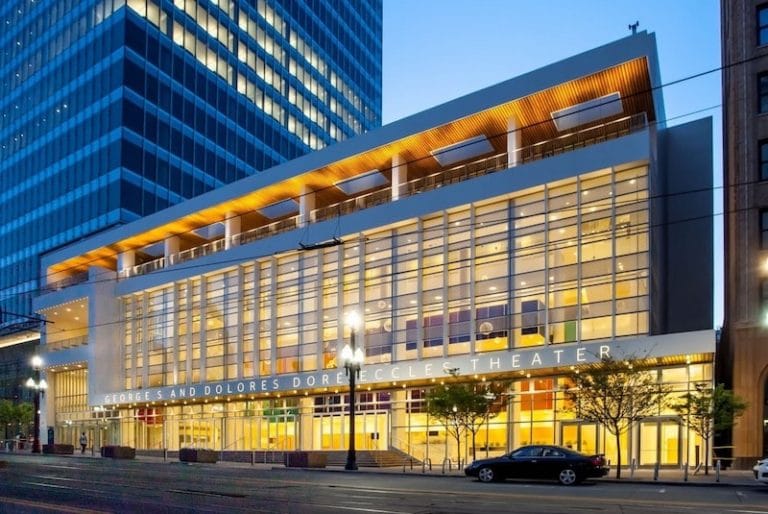
The George S. and Dolores Doré Eccles Theater.

Downtown Salt Lake City is trying to find its “new” identity. Main Street is thriving with a plenitude of bars, restaurants and bakeries. The Eccles Theater and the tower above it as well as 222 South Main Street are full of young professionals. Goldman Sachs occupies seven floors at 222 South, and the restaurants and bars below all benefit from the well-paid workforce.

Downtown, and especially The Gateway, are adapting to the national trend of retail closures. At Gateway, Barnes and Noble, Dick’s Sporting Goods, and Sur La Table are all closed. But Gateway is seeing new life by leasing former retail space as office space: Recursion Pharmaceuticals is located in the former Dick’s Sporting goods. They combine AI with biotech to create new drugs. With over $100 million in new funding, this venture sounds promising!

Three new national chains have opened at the Gateway including Dave and Buster’s (video games, wings and pizza), Punch Bowl Social, which offers more hands-on old-school games like mini-bowling, and the recently opened SkinnyFats by Hallpass, which will offer a rotating menu of high calorie comfort foods and healthy salads.

Main Street’s greatest loss was Lamb’s Grill Cafe and Eborn Books. Lamb’s was Utah’s oldest restaurant, residing there for over 100 years. The loss of Lamb’s was due more to the loss of their liquor license than market conditions. Eborn books took over the former Weller’s Zion’s Books space, offering rows upon rows of new and used books for sale. It was the type of place where a biblophiles (like yours truly) loved to get lost. It remains to be seen what the Main Street spot will become.

Downtown also lost the New Yorker Bar, which was opened in the New York Hotel by Tom Guinney and Tom Sieg in 1978, when much of the area around Pierpont Avenue was boarded up, seedy and frequented by prostitutes and drug addicts instead of foodies. Today, Pierpont is still thriving, but the bar scene is now owned mostly by millenials and hipsters, who love places like Bodega, Whiskey Street and White Horse.

What’s to come? The loss of retail will dramatically change the face and character of downtown. Soon, Ken Sanders’ Rare Books will need to move from downtown, and sadly, “Antique Row” on third south is almost gone. City Creek Antiques is the last amazing shop. Go there before Carmen retires, which we hope won’t happen anytime soon.

The good news is that Salt Lake City will certainly thrive, and Gateway and the Union Pacific train station will soon become the lobby of a gorgeous new hotel. This will breathe new life into Salt Lake City’s entertainment district. But the loss of bookstores, antique shops and boutiques and local retail will remove much of the personality and character of the downtown we grew up with.

, ,


Join our newsletter.
Stay informed.


  • Ritual Chocolate Tasting Class in Heber City: Inside Utah’s Bean-to-Bar Factory

    Inside Ritual Chocolate’s Heber City factory, guests learn how to taste chocolate like professionals during weekly bean-to-bar classes. From Madagascar’s bright citrus notes to savory pairings with olive oil and smoked salt, the experience blends science, craftsmanship, and Utah creativity into one unforgettable night.


  • Has Utah’s Soft-on-Crime Justice Reform Made Communities Safer?

    Has this “soft-on-crime” approach resulted in safer streets?

    SALT LAKE CITY — A decade has passed since former Utah Governor Gary Herbert signed a massive justice reform bill into law in hopes that the state could reduce its prison population and manage low-level offenders through rehabilitation programs instead of incarceration. Has this reinvestment resulted in lower crime and recidivism rates?

    According to the Utah Department of Corrections, that landmark Justice Reinvestment Initiative aimed to “continue holding offenders accountable and securing our communities, but in a way that considers individual risks and treatment needs.”

    Are communities really safer when mental health and substance use needs are addressed through programs administered outside prison walls? The idea was to treat criminals differently based on their mental health needs and backgrounds. But at least one retired Adult Probation and Parole Officer, believes this “soft-on-crime” approach hasn’t resulted in safer streets.

    LOOKING BACK

    State Senator Todd Weiler, in that legislative role since 2012, helped drive the passage of the Justice Reinvestment Initiative (JRI), a massive bill that enjoyed broad-based approval among state officials and the Legislature as a whole.

    In November 2014, Weiler attended the national summit on the issue in San Diego, an event hosted by Pew Charitable Trusts. 

    “I was very involved in it. We had a lot of high hopes,” Weiler, a Woods Cross Republican, said in a recent interview. “That was about the time we were finalizing plans for the new prison. And we actually said that because of JRI we don’t need as many beds because we’ll be incarcerating fewer people. So that new prison was designed with this idea.”

    A key part of JRI dealt with adjusting sentencing for crimes related to addiction, dividing offenders into two basic groups: dangerous criminals who are a threat to society (that group goes to prison), and low-level offenders who get help kicking addictions through state-sponsored programs or private-sector rehabilitation.

    “The ultimate goal was if we have an otherwise good person who got caught up in an addiction, and as a result committed crimes, they need to be punished for their crimes,” Weiler said. “It’s not that we’re going to overlook what they did, but we wanted to focus primarily on helping them overcome their addiction and [that means] getting them back to their job and their family.” 

    Before JRI, low-level drug offenders with felonies would spend years in prison, which wreaked havoc with their lives and future prospects. Addressing the root cause of their theft and property crimes through supervision and treatment made sense. 

    “We’re all imperfect people,” Weiler said. “So we want people working their jobs, paying their bills and raising their kids rather than sitting in jail and watching TV or playing cards.”

    To access this post, you must purchase Utah Stories (Digital + Print) or 3 month free trial (Digital).


  • Salt Lake City Newcomers Club: Finding Friendship and Belonging Since 1948

    Moving away from your hometown can come with many blessings. But for some, it also comes with just as many bouts of loneliness. That ache of not knowing where to meet people, or grieving the friends you left behind, comes in waves. Workplaces and churches can sometimes provide ready-made communities, but what happens when they don’t? Where do you go to find true belonging?


  • Best February Events in Utah: Skating, Skiing, Music, and Festivals

    February in Utah offers a mix of winter traditions and indoor culture, from public ice skating and guided ski programs to concerts, festivals, lectures, and community events happening across the state.