Highly flawed central fill concept gets shot down
The highly flawed central fill distributions center for medical cannabis in Utah has been scratched.
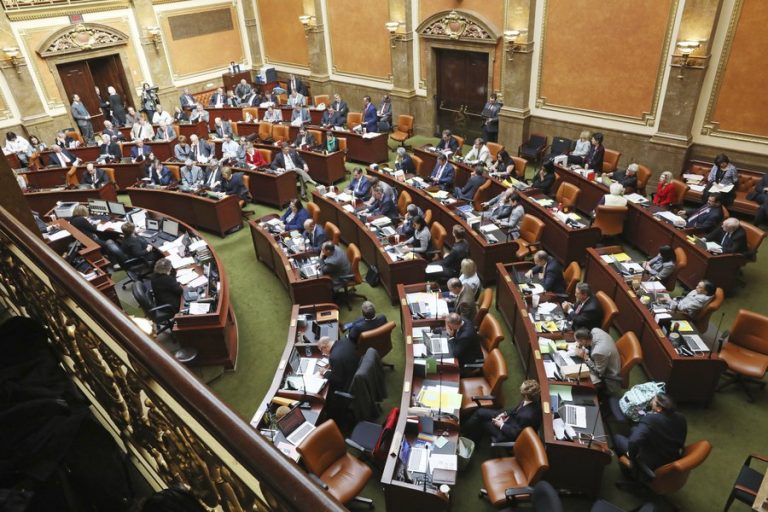
Lawmakers are now crafting a bill that is going to increase private pharmacies to 12, as opposed to the previous seven, and they will be spread more equally through out the state; and even home deliveries of medical cannabis.
During a telephone conversation with former mayor Rocky Anderson, who couldn’t sound more thrilled, he expressed how badly he wants people understand what has happened. In a followup email, Anderson wrote, “It took patients and their advocates (especially TRUCE and the Epilepsy Association of Utah), and their lawyers, to do what Connor Boyack, the lawyers for the Church, the lawyers for the State, and the lawyers for (and in) the Legislature should have done, but failed to do, before they recklessly passed H.B. 3001.”
He was recently on The Utah Stories Show talking about the flawed replacement bill, which you can listen to HERE.
The email goes on to say, “Not one of the people involved in H.B. 3001 should have any involvement in drafting anything else regarding this matter, especially Vickers who has a major conflict since his pharmacies have sold more opioids than any other pharmacy in this county. These people just need to go away and have someone competent outline the goals and decide how best to get there. Of course, adequate access for everyone in need should be a major goal.”
Anderson, along with TRUCE and the Epilepsy Association, sued the State of Utah over the federal legality of how what the Legislature was doing, because the framework of H.B 3001, was cut-and-dry federally illegal.
As you are no doubt well aware, Section 6 of H.B. 3001 (the bill replacing Proposition 2) requires state and local health departments to participate in the procurement, purchase, storage, distribution, transportation, and sale of marijuana. In other words, it requires what federal law prohibits—which, under the Supremacy Clause, it cannot do, even if there is little or no risk of prosecution for the federal offenses.
The letter was sent to all county commissioners and council members, local and state health department officials, court attorneys, some D.A.’s, and others.
Anderson said Trow Rowlings had been persuaded by the letter, and instructed county employees not to participate, since it would be considered federally illegal to do so.
It seems lawmakers might actually be listening to the voice of the people, with the help of such advocates as Rocky Anderson, patients, Truce, and so many more.
You can read both the Letter that has helped change the course of medical marijuana law in Utah and the AMENDED COMPLAINT FOR DECLARATORY AND INJUNCTIVE RELIEF filed against Gary R. Herbert, Governor of the State of Utah, in his official capacity; JOSEPH K. MINER, M.D., MSPH, Executive Director, Utah Department of Health.