Utah Stories

Salt Lake City Housing Crisis, Escalating Real Estate Prices and What is Being Done about It

Salt Lake City is one of the fastest growing cities in the country and Utah’s population is quickly growing. For the first time since the Mormon Pioneers settled in Salt Lake City, there are thousands of people who want to live, work and play in downtown Salt Lake City and they are moving here from…

|


Utah's population growth: Salt Lake City building boom.
Booming Sugar House. Wilmington Avenue was grassy fields and mostly empty just eight years ago, today it’s full of new luxury condos.

A conversation with Salt Lake City Planning Director Nick Norris

Utah’s population growth

Salt Lake City is one of the fastest growing cities in the country and Utah’s population is quickly growing. For the first time since the Mormon Pioneers settled in Salt Lake City, there are thousands of people who want to live, work and play in downtown Salt Lake City and they are moving here from other states like California, Oregon and from back east.

Unlike other larger western cities, Salt Lake City has always been lacking in a strong, dense residential urban core in our downtown area. Why hasn’t Salt Lake City grown to accommodate more residents as Denver, Seattle or Portland have? Nick Norris attributes this to a variety of factors but mostly because zoning laws prohibited building efforts in downtown. This is changing.

Salt Lake City Housing Crisis

Today, Salt Lake City is attracting investor groups from California and Denver who are accommodating a new demographic of residents who don’t want to have a yard but are seeking apartment living with amenities. This new demographic wants to have a yoga studio in their building; a shared patio space to have their BBQs and they want and a city where they can dine out; visit parks and trails; walk to theater and performances or Jazz games, and have the option of not even owning a car.

In our wide-reaching conversation, we discuss the growth and development of downtown Salt Lake City over the years, and what the changing nature of downtown Salt Lake City will mean for long-time residents. Will we lose parking in downtown? Will we need to sacrifice our high standard of living to accommodate growth? Or is a more densely populated downtown an excellent boon to our economy?

Listen to our new Utah Stories Podcast on iTunes, SoundCloud or YouTube searching Utah Stories.

, , , , ,


Join our newsletter.
Stay informed.


  • The Utah Farm That Refuses to Give Up as Development Closes In

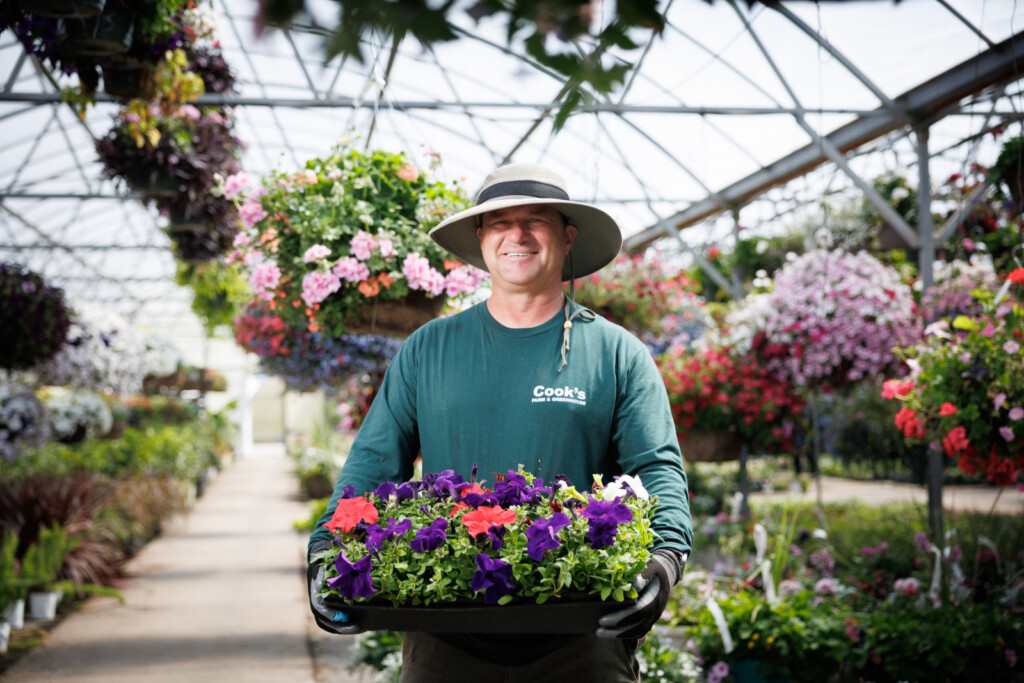
    Running a farm is hard enough, but rapid city growth makes it even tougher. More than a decade ago, the late Verl Cook faced a series of staggering hurdles that threatened to wipe out his family’s livelihood.

    First, the city decided to treat the Cook’s greenhouse — the most profitable part of the farm — like a big-box retail store. They demanded the family build a paved parking lot, a project that would cost $200,000.


  • Future Craft Farm Launches First CSA Season in Salt Lake City

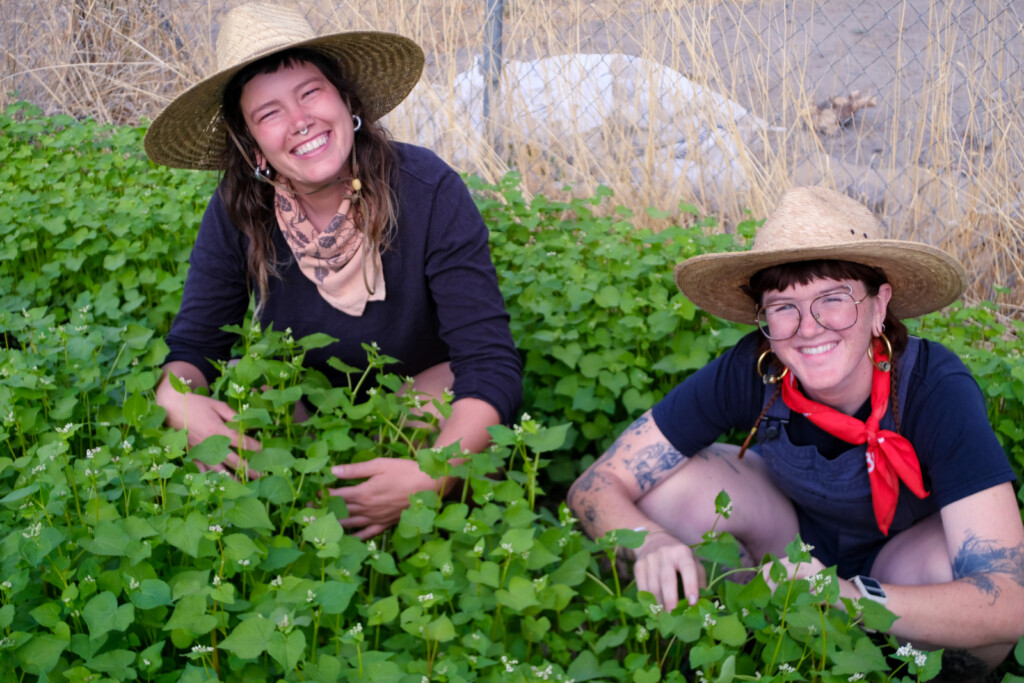
    Hall and Scheig found their land last June and broke ground just two months later, transforming what was essentially a blank canvas into a diversified market garden. This year marks their first full growing season, and they’re launching it with a community supported agriculture program, or CSA. CSAs allow people to support local growers by purchasing a season’s worth of produce upfront, giving farmers the financial stability they need during the most expensive part of the year.


  • Farm-to-Table in Utah: Why More People Want to Know Where Their Food Comes From

    When was the last time you plucked a chicken? How about threshing wheat or milking a cow? For most people today, the answer is never. What used to be a daily survival skill has slipped into the history books, while farmers, ranchers, and a multitude of other hands continue to prepare, package, and produce the food we buy at the grocery store. 


  • Salt Lake City’s 999 Ride: Inside Utah’s Largest Social Bike Ride

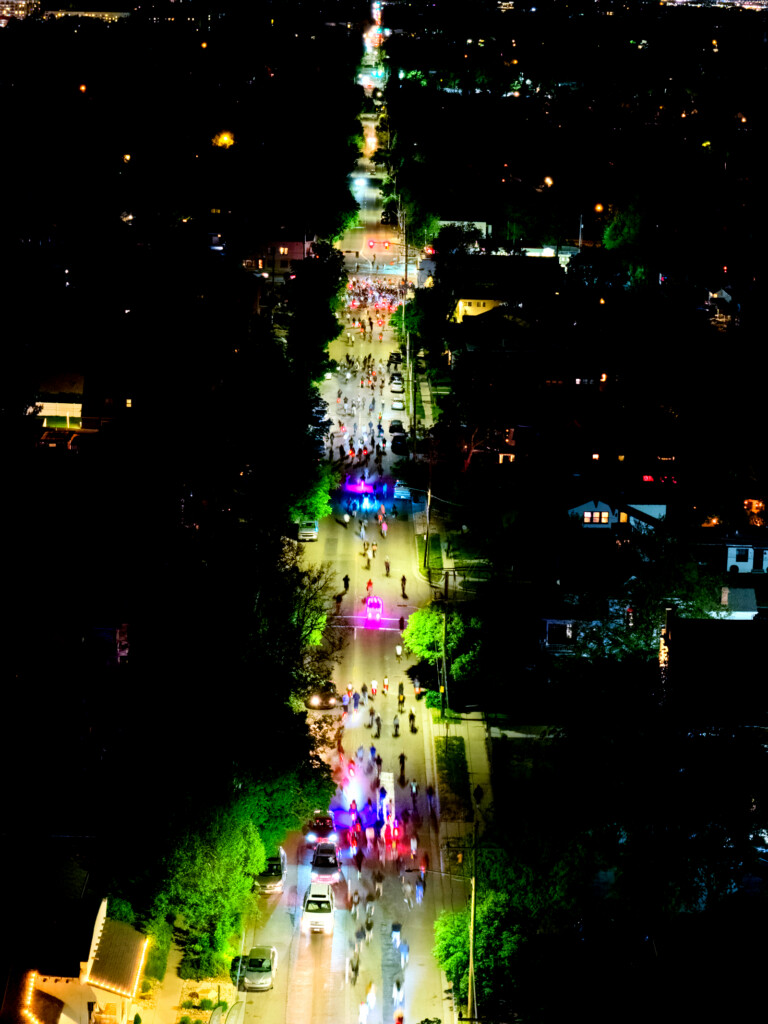
    The boisterous energy that characterizes most of the 999 Ride’s participants is a result of the long-established bonds and trust they’ve all helped to build within the local cycling community.