
Ron Litteral, Principal of the Salt Lake School for the Performing Arts, affectionately known as SPA, is like a proud parent as he talks about the students and programs at his school. He outlines the many awards and achievements garnered over the last 13 years while emphasizing, “It’s not about the awards, but what they learn in the process. We teach them all to do their best.”
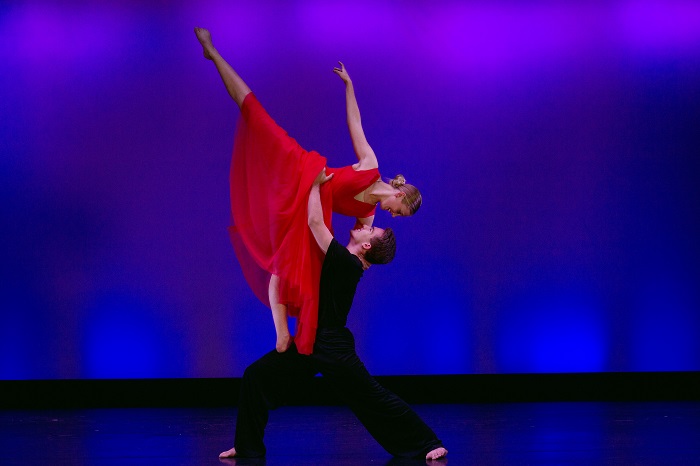
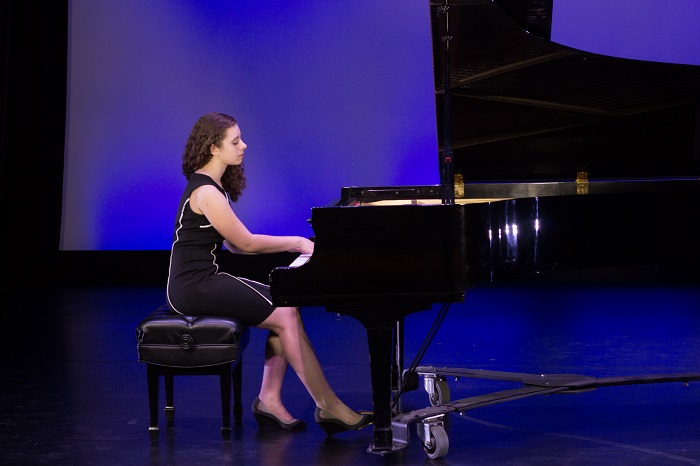
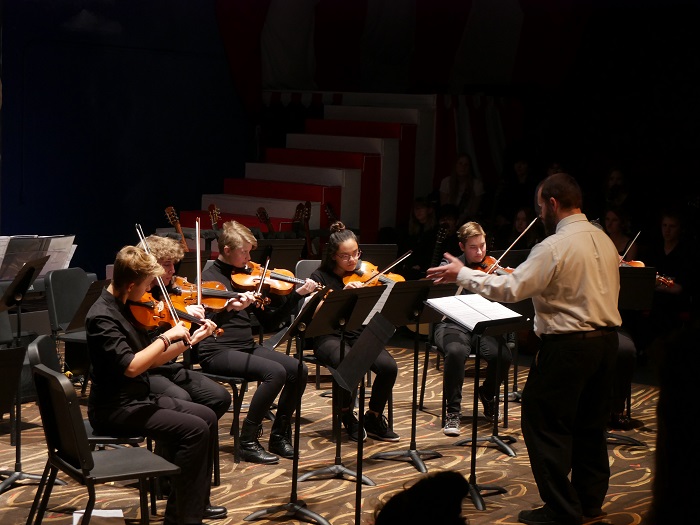
The students at SPA take intense classes in the performing arts, taught by accomplished teachers, in a repurposed 1950s era elementary school located in a winding residential neighborhood. The classrooms now house dance classes including ballet, modern, jazz, social and musical theater dance, theater programs, music, set design, costuming, and media, all with state of the art equipment, flooring, sound, and lighting systems. Where once kindergarten students learned to paste and color, today’s students, grades 9 through 12, learn to dance, sing, perform, build, and act. The school also has three stages to facilitate the 110 performances staged each year.
SPA is one of only a handful of charter schools in the state that has a “symbiotic” relationship with nearby Highland High School. The students spend part of their day at SPA in performance classes. They are then bussed to Highland for academic classes. While 75 percent of students opt for this program, the other 25 percent take on an Individual Learning Plan (ILP), working at their own pace with online computer classes. Some students taking advantage of the ILP can graduate early to get a jump start on their careers.
The school provides a safe, loving place for kids to learn and do their art, and Litteral says, “A lot of kids that might not fit in at a traditional school find a home at SPA.”
Gabe Goudelock attends SPA along with his twin brother Charlie. He says of his experience, “I believe SPA provides an inclusive home for all who are inspired to create and are dedicated to their art form. It has been a home for me and has given me an opportunity to improve my abilities with great teachers. The most memorable experience I have had at SPA thus far was last year going through our end-of-year dance department show. It gave me a chance to show off my dedication to something new which I had started to enjoy doing. It was a major contrast to the year before when I was at another high school and did not feel very connected to what I was performing, whereas the atmosphere and people of SPA inspired me to have a stronger link to my art.”

Operating on a shoestring budget, and relying on donations, the school manages to dominate at the competitions they attend or sponsor. At around 300 students, they are considered a 2A school. At one competition, the Shakespeare Festival, they are such a dominating force that they are moved up to compete with larger schools, and this year they were placed in the 6A school category of 2500 to 3000 students. Litteral was prepared for his students to be humbled. “The other schools have way bigger budgets, but the kids here are not prideful, they just do their jobs,” he said. They tied for first competing in the 6A category.
Charlie Goudelock explains what attending SPA means to him: “All three years I have been at SPA have been some of the best of my life. I have been given amazing opportunities and met some of the nicest people on the planet. The community in the school is the best. Not only are the teachers and administration easy to talk to, and very helpful, the students stick together and have each other’s backs. It is a close community at SPA, one that is hard to find elsewhere. I have had many great experiences at SPA. A very memorable one was during my sophomore year. I was helping with and acting in the media conservatories final film projects. I was lucky enough to see how a film set and crew work. It was amazing to see and be a part of. That experience helped grow my love for film, which I can’t thank SPA enough for.”