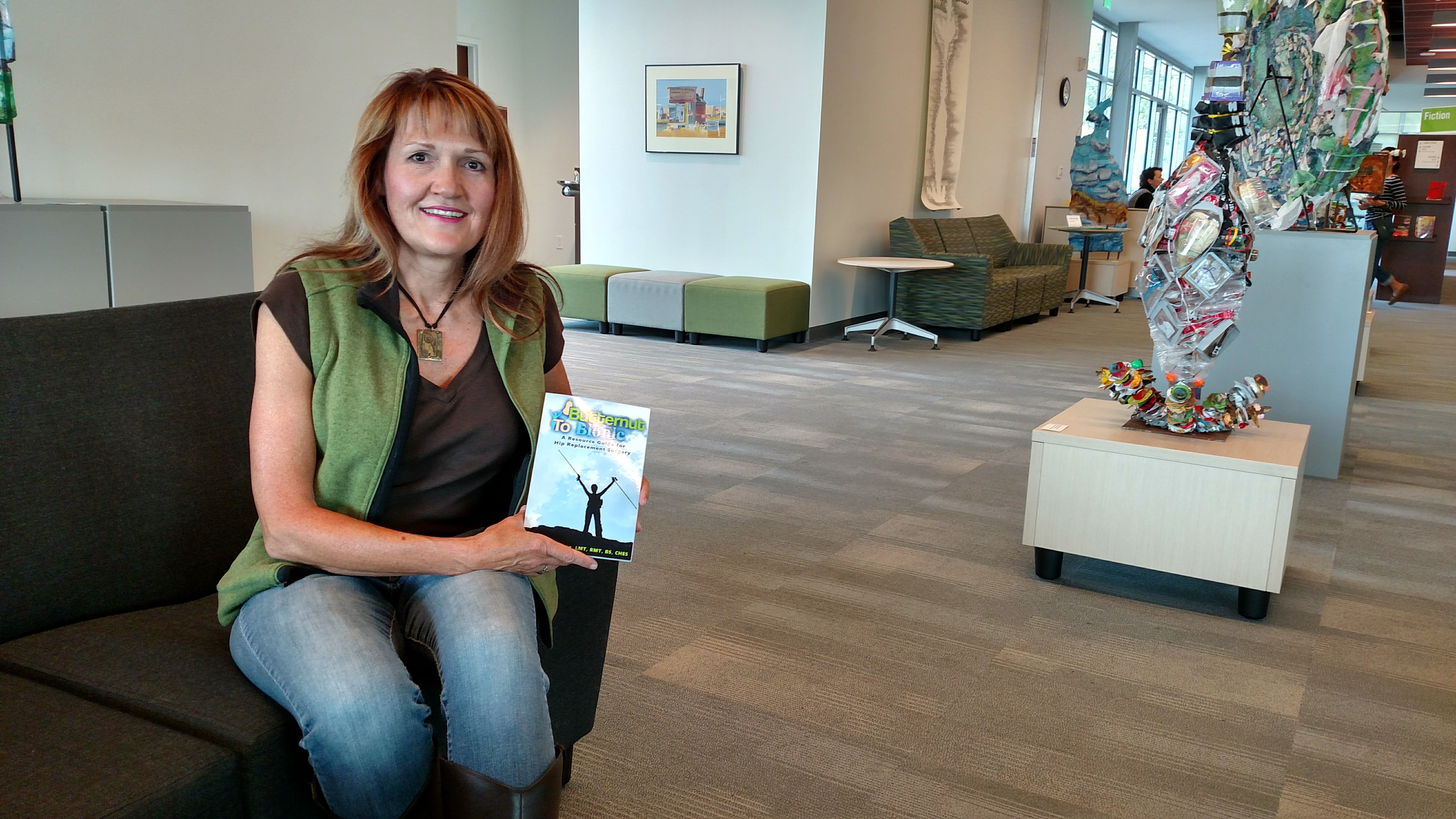
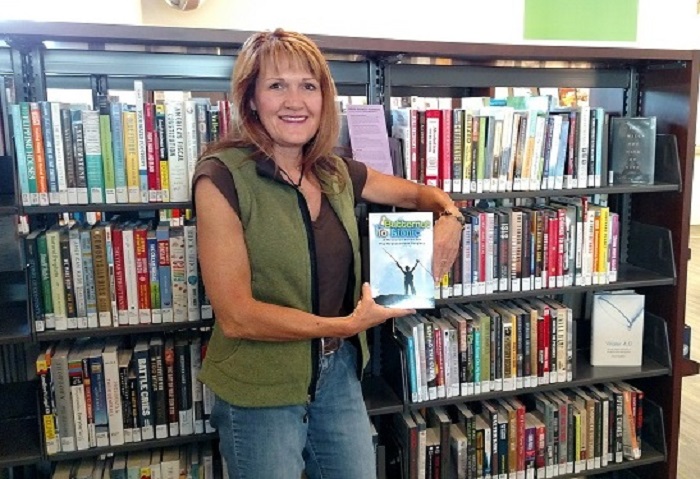
When Utah native Tiffany Anderson underwent double hip replacement in her forties, she found few resources to help her through the preparation, procedure, and recovery. Six years later, with three surgeries under her belt, she decided to share her experiences. Her book, Butternut to Bionic: A Resource Guide for Hip Replacement Surgery, offers insight on everything from selecting your medical team and preparing your house to getting into the car safely and regaining health and mobility. The most empowering message of the book is that there is life, health, and hope ahead for joint replacement patients.
The book manages to balance what Tiffany calls “complementary and alternative therapies”—reiki, acupuncture, massage, herbal remedies, and more—with hospitals, surgeons, and other bastions of Western medicine. She describes the benefits of alternative therapies while carefully explaining that her surgeon was aware of and in support of her decision to pursue them.
As someone who has no need of a joint replacement anytime soon, I was impressed by how much I enjoyed and was engaged by this book. Tiffany’s humor, practical advice, and personal insight made for an easy and enjoyable read. This book is a must-read for anyone facing major surgery or those interested in improving their personal health to minimize future challenges.
I met with Tiffany to get some more insight on how she transitioned from patient to author. She explained that the book started as a compilation of her notes as she met with her medical team, then gradually grew into something more.
Last year, as Tiffany was researching the intricacies of self-publishing, she saw an article in Utah Stories about Vince Font and Glass Spider Publishing. She kept the article marked for months, working on her draft all the while, until she felt ready to approach Vince and his team. She says, “From there it was just brilliant. He took me on right away and put me with one of his editors that specializes more in medical content so she was able to help me with the formatting and really get my flow together. That seemed to set the wildfire for me, because once I had that support, having other writers in my world and people who really knew the ins and outs, then it just took off.”
I asked Tiffany, a licensed massage therapist and health educator, how she deals with the perceived conflict between Western medical science and alternative therapies. She said, “I encountered a lot of resistance early on, but I’ve worked in massage and alternative therapy since 1996, so that was part of my industry and part of the conversation. I decided to get my degree in health education so I could have those conversations and speak professionally to a medical professional. That gap’s getting bridged.” She insists that the most important thing to do is have open conversations with your medical team so you aren’t doing anything to compromise your medications or doctors’ orders.
Tiffany hopes her experiences will “get people going to a place where they can see the best of both worlds, with things that they can do on their own to augment and enhance what they’re doing with their medical professionals. Just to take a little more of that responsibility and say, okay, I’m going to do all this stuff, doctor’s orders, meds, appointments, but then also there are things I can do in an affordable way to improve my quality of life, manage my pain, and just feel better.”
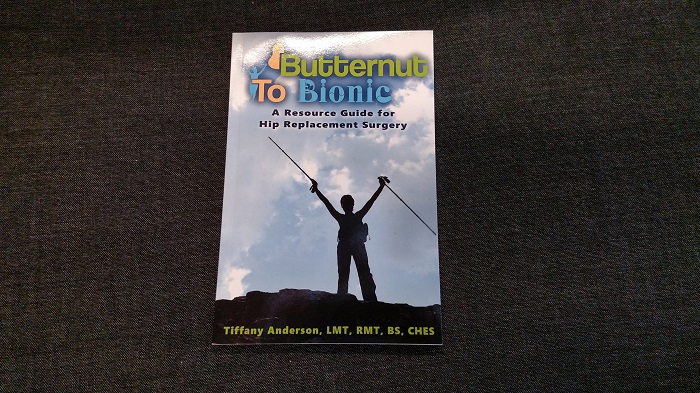 Butternut to Bionic has already helped Tiffany connect with others who have undergone similar surgeries. She says, “People just have such stereotypical ideas about joint replacements and it really is such a wide range of people from all walks of life who have artificial joints of one kind or another. There are a bunch of us bionic babies.”
When I asked Tiffany what she hoped people would gain from reading about her experiences, she said, “I entered this field in 1996 and have stayed in it because I’ve been so empowered by the work that I do. I’ve seen amazing results in my own life and in my family’s and in the people that I’ve seen. Health is part of our innate physical makeup. It’s a natural state of being and I’m managing my chronic conditions with minimal medication—no pain meds. I sleep great; I’m feeling great.” More than anything, Tiffany wants readers to “walk away being empowered and taking responsibility for their health and being more proactive.” She explains, “That’s why I wrote my book, why I have my website, and why I’m still practicing what I preach and doing what I do.”
You can learn more and connect with Tiffany at andersontherapeutics.com.