The notion of conflict of interest got the shrug at the financial possibilities of developing communities with needed transportation so accessible that it would be right next to areas that often offered living, working and shopping altogether. Dollar signs filled eyeballs to the point that they even masqueraded as caring for transportation through leading a public agency devoted to that cause.
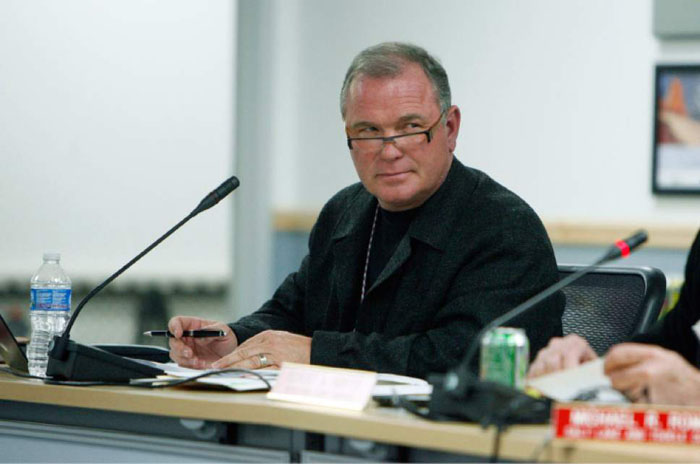
A federal grand jury recently indicted Terry Diehl, a developer and former Utah Transit Authority board member, on 12 criminal counts having to do with his 2012 bankruptcy, reviving prior allegations that he perhaps embezzled funds from business deals and used confidential information from UTA to leverage outcomes and gain profit.
And Diehl has been accused of hiding from a bankruptcy judge seven payments. He received those just two months after filing for bankruptcy, pulling in at least $550,000 from entities including a company owned by Greg Hughes, a developer, the Utah House Speaker and former UTA chairman, and Kevin Garn, developer and former House Majority Leader (see a trend?).
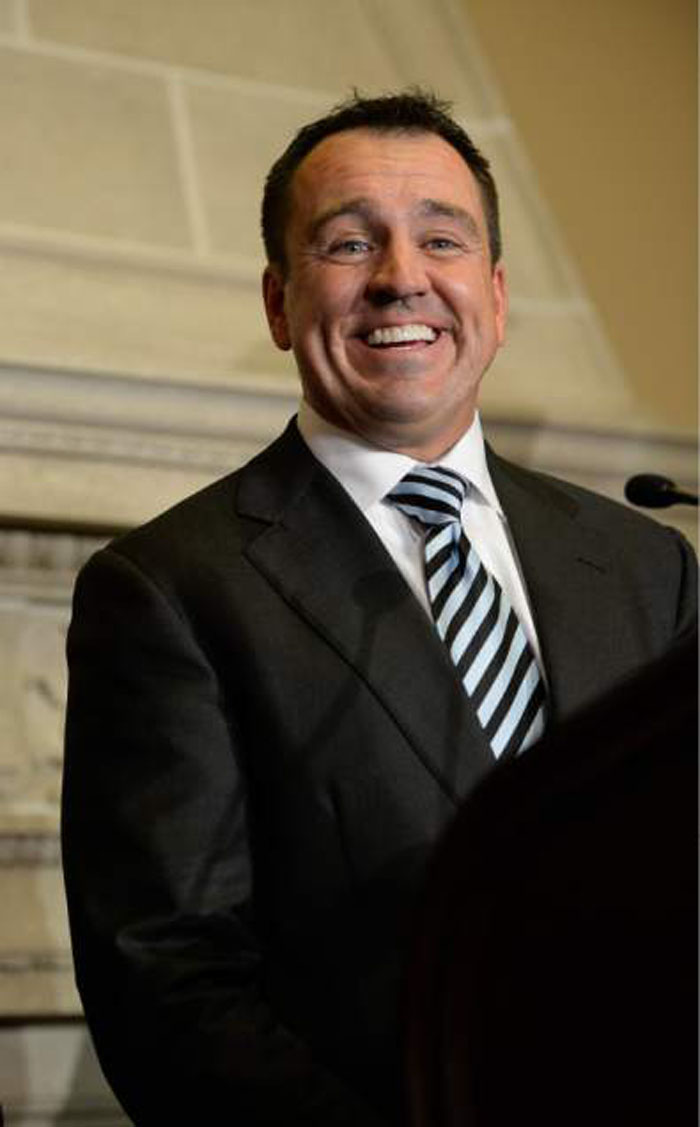
The indictment came after an announcement that the U.S. attorney’s office of Utah gave the OK to an immunity deal with UTA as long as the public agency be a mutual partner in an ongoing criminal investigation into current and past UTA officials and others having to do with financial acquisitions of property purchases and developments around transit stations. (Read: misuse of taxpayer funds, for starters, and the probe is probably widening.) Besides Hughes and Garn, Randy Horiuchi (a longtime Salt Lake City elected leader) and Greg Curtis (former Speaker and UTA lobbyist) reportedly knew Diehl personally.
What other persons, public figures or not, have apparently been benefactors via abuse of, well, transit authority? And just what has UTA done that makes it so nervous that it is agreeing to investigate itself?
Some have said that Diehl’s closeness with power brokers led to him breaking rules. He’s also dealt with myriad civil lawsuits and two highly critical legislative audits of which themes included his role in more than one multimillion-dollar land deal relating to those transit station-area developments.
This is one of many issues facing UTA. Among them, it doesn’t have the funding for requested, needed additional services; it was going to give bonuses of hundreds of thousands of dollars to top executives when the public thought that $30,000 was too much; now-former top dogs of the public agency were scheduled to make more than $1.1 million annually and its promotions of employees has been questioned.
Regarding Hughes, Garn secured UTA deals after creating a company with then-UTA board chairman Hughes and a subpoena was issued to discover if Hughes was promised part of the UTA’s Draper FrontRunner project and documentation, if there is any, indicating any payment to Hughes or persons connected to Diehl. And Hughes led a trip to Switzerland that was organized by a longtime UTA lobbyist, with vital funding coming from a political action committee created just the year before by UTA board members at the time of the trip. The trip, which saw extravagant accommodations and possible conflicts of interest, was not publicly disclosed before voters decided on a transportation sales-tax hike. President Donald Trump, who nominated someone who sued the Environmental Protection Agency to lead that very department, among other selections of persons whose approaches seemed antithetical to the given position, reportedly considered Hughes as U.S. transportation secretary.
Kicking off these issues with general incompetency, UTA not only failed to save taxpayer money by not hedging, its chief financial officer said he didn’t know how to finance in the fuel market.
Perhaps we should have seen this coming, as legislation seemed to usher in the very corruption. Seven years ago, in the same year of UTA’s hedging ignorance, the Utah legislature passed a bill that allowed allowed the public agency to become a commercial partner with developers, enabled to build complexes on UTA-owned land. The legislation also allowed the UTA general manager to become a chief executive officer. It was good to see in this past legislative session a bill that passed that is supposed to shrink board size, change how its board members are chosen, ban new “transit-oriented development” deals and enhance how the public agency listens to the public.
Don’t sigh just yet, though. In obvious ways, we’ll need to see what comes from the criminal probe. And hopefully, we’ll learn just how many eyeballs got filled with dollar signs.
 Rhett Wilkinson is a writer. He’s won seven awards from the Society of Professional Journalists and is a Star Wars and Utah Jazz fan. Reach him on Twitter @rhettrites or via email: rhett.wilkinson@yahoo.com.