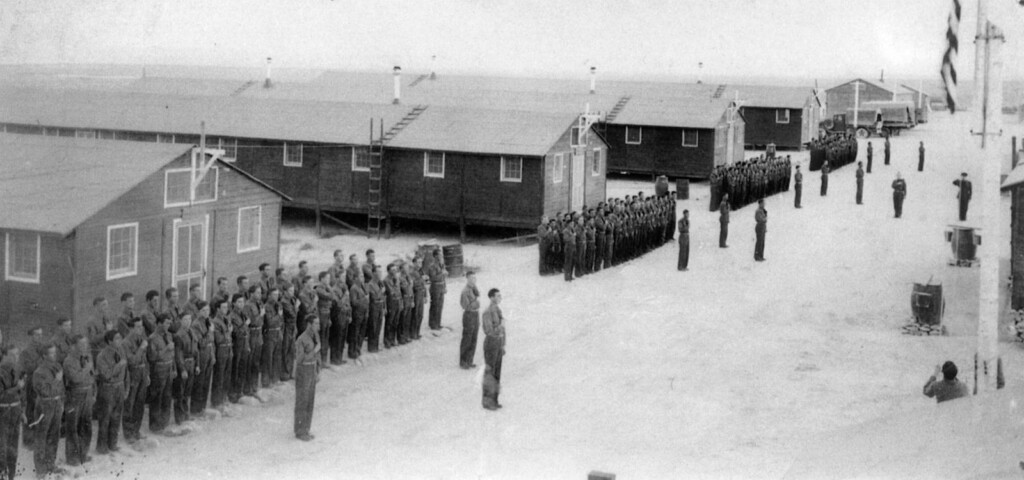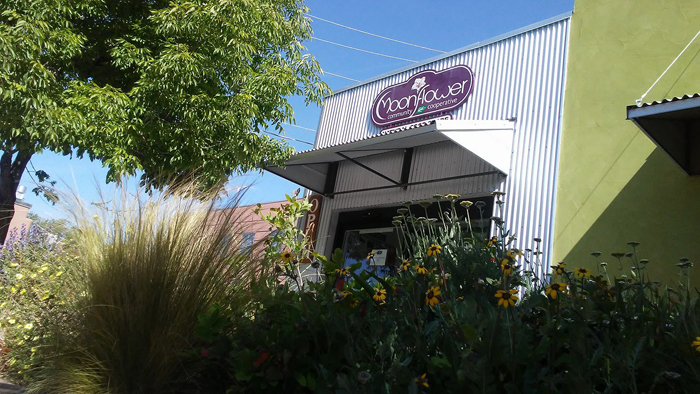
Moonflower Community Cooperative in Moab, has come a long way from the years it spent in a building made of old ammo boxes in the early 80’s. Back then it was called Life Stream, but was referred to locally as “The health food store.” The store and co-op originally opened in 1975 and was organized by longtime resident Conrad Sorensen. For years it was run on a volunteer workforce of less than 100 people. Moonflower’s current manager, Derek Whitworth, says the co-op feels privileged to still be under the “benevolent tutelage” of Sorensen’s legacy and his original intent to provide socially responsible goods and education.
Much has changed in the 42 years since it opened. It is no longer run by Sorensen nor on a volunteer basis, but the co-op’s purpose has stayed the same. “Our goal is to stay local and provide excellent quality food from local vendors and pass the savings on to the public. We want locals to be able to purchase fresher and more affordable healthy ingredients,” says Whitworth.
The size of the co-op has changed from 80 members in 1979 to the current 720 members. “The members are also owners. They elect 7 board members who represent the owners’ desires for the store and the community,” explained Whitworth. “The coop is committed to offering quick, top quality, healthy options to all the people enjoying our beautiful Moab.”
Moonflower recently remodeled the store and the results are breathtaking. “We added a large kitchen and deli section where employees use organic and locally grown produce and meats to create ready-to-eat sandwiches, salads, and snack items. Tourists and locals alike can now grab a healthy and socially responsible lunch without having to make it themselves,” explains Whitworth.
 Unlike large chain grocery stores like Whole Foods, Moonflower Co-op does not have to go through corporate offices to purchase inventory. If a local vendor comes to Whitworth and has a product that will benefit the community, he can purchase it immediately and sell it the same day rather than waiting for approval. This flexibility increases the amount of fresh, quality meats and vegetables that can be immediately sold and passed to the public.
Chain grocery stores do not only not support local farmers and vendors, they also markup produce and meats 65-100%, whereas Moonflower’s prices are often 10% below retail for fresher and better quality foods. Members and non-members can shop at the store, but there are benefits to being a member, such as monthly member/owner sale items, yearly dividends, and special order discounts of up to 15% above cost, which is well below retail.
The co-op uses many of their funds to support the local and regional farming industry and local venders. “In 2016, approximately $230,000 of local produce, meat, supplements, tinctures, personal care items (salves, lip balm, facial toners), etc. were purchased from members of the local community,” explained Whitworth. The co-op provides free educational classes to help promote healthy living and gives funds to locally run non-profit companies.
The co-op holds monthly 5% Days where 5% of the day’s sales go to local non-profit organizations such as Seek Haven, the local shelter for abused women. They’ve also contributed sales to the Moab School District’s aftercare program, the Moab Humane Society, the Community Garden, Canyonlands Field Institute, and Canyonlands Watershed, which focuses on sustainable permaculture. Moonflower Co-op also gives financial and food donations to locally held events.
Treatment of employees is also very important to the owners/members. “Our goal is to treat each employee with respect, dignity, and care,” says Whitworth. The co-op gives a monthly Bike to Work Bonus to the employee who spends the most days using alternate transportation, and encourages and rewards employees for not using fossil fuels to commute.
“Employees love working here because of the great vibes and awesome people around them. I always tell employees we have the best opportunity to spread love and positive health through the community by interacting with such a large portion of the community every day,” says Whitworth.
Moonflower is located at 39 East 100 North in Moab, Utah.